
House Passes New Aviation Safety Bill Following Deadly Reagan Airport Crash
A Tragic Collision Sparks Legislative Action
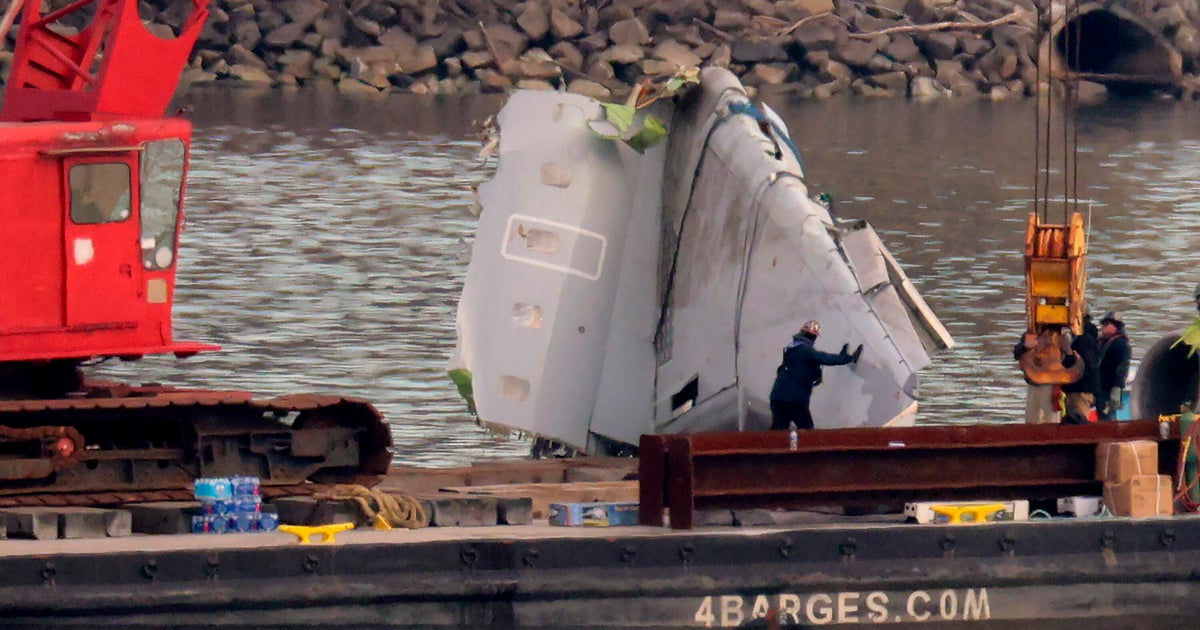
In January 2025, the skies near Ronald Reagan Washington National Airport became the site of an unthinkable tragedy. An American Airlines passenger jet and an Army Black Hawk helicopter collided midair, killing all 67 people aboard both aircraft. The disaster sent shockwaves through the aviation community and left families devastated, searching for answers about how such a catastrophic failure could happen in modern airspace. In response to this heartbreaking incident, lawmakers on Capitol Hill scrambled to address glaring safety gaps that investigators quickly identified. On Tuesday, the House of Representatives passed the ALERT Act with overwhelming bipartisan support—396 votes in favor and only 10 against. This legislation represents Congress’s attempt to prevent similar tragedies from occurring in the future by requiring critical safety technology on all aircraft operating near busy airports, including military planes that have historically been exempt from such requirements.
The collision exposed a troubling reality: while most aircraft are equipped with technology that broadcasts their location to others (called ADS-B Out), very few have the complementary technology needed to receive that information (ADS-B In). According to both the National Transportation Safety Board and the grieving families who lost loved ones, if American Airlines Flight 5342 had been equipped with this collision-avoidance technology, the crash likely would never have happened. The plane could have “seen” the approaching helicopter and taken evasive action. This technological gap—something that seems almost inexplicable in our modern age of sophisticated aviation systems—became the focal point of legislative efforts to overhaul aviation safety protocols.
Understanding the Technology That Could Save Lives
At the heart of the ALERT Act is a mandate for collision-avoidance technology that sounds technical but is fundamentally straightforward. ADS-B, which stands for Automatic Dependent Surveillance-Broadcast, comes in two forms. The “Out” version broadcasts an aircraft’s position, velocity, and identification to ground stations and other aircraft. Think of it as a plane constantly announcing “Here I am!” to anyone listening. Most commercial and many private aircraft already have this technology installed. However, the “In” version—which receives these broadcasts from other aircraft and displays them to pilots—is far less common. This is the missing piece of the puzzle that could have prevented the January collision.
The ALERT Act would require all aircraft, including military planes, flying near congested airports to install this receiving technology by 2031. There would be exceptions for certain military aircraft with specialized missions, such as fighters, bombers, and drones, where installation might compromise operational security or prove technically unfeasible. Beyond the ADS-B requirement, the legislation also addresses helicopter route safety and the separation requirements between different types of aircraft—issues that the NTSB determined were probable contributing factors to the 2025 collision. Additionally, the bill includes provisions to improve air traffic control training and processes, recognizing that technology alone isn’t enough; the human operators managing our crowded skies need better preparation and clearer protocols to prevent disasters.
Political Turbulence and Pentagon Concerns
The path to passing aviation safety legislation has been anything but smooth, revealing the complex tensions between safety imperatives, military operational concerns, and budgetary realities. Months before the House passed the ALERT Act, the Senate had unanimously approved a similar but distinct piece of legislation called the ROTOR Act. That bill seemed destined for success—until it reached the House in February, where it failed by a single vote. What happened between the Senate’s unanimous approval and the House’s narrow rejection tells a story of shifting political winds and institutional concerns.
The Pentagon initially supported the ROTOR Act when the Senate passed it in December. However, just days before the House vote, the Department of Defense dramatically reversed course. Pentagon officials stated that enacting the legislation “would create significant unresolved budgetary burdens and operational security risks affecting national defense activities.” This sudden about-face angered the families of crash victims, who saw it as bureaucratic resistance to common-sense safety measures. The military’s concerns weren’t entirely without merit—equipping hundreds or thousands of military aircraft with new technology represents a substantial investment, and there are legitimate questions about whether broadcasting military aircraft positions in all circumstances could compromise national security. Nevertheless, to families who had lost loved ones in a preventable accident, these explanations felt like excuses prioritizing convenience over human lives.
Concerns That the Solution Falls Short
Despite the House’s overwhelming passage of the ALERT Act, significant voices in aviation safety and the Senate remain unconvinced that it adequately addresses the problems exposed by the January crash. The National Transportation Safety Board initially expressed concerns that the legislation didn’t fully address all 50 recommendations it made following the accident. After House lawmakers amended the bill, the NTSB softened its stance somewhat, acknowledging that the revised version would require the Department of Transportation, Department of Defense, and Federal Aviation Administration to take actions that would eventually address its recommendations. However, that word “eventually” is doing heavy lifting.
The families of the 67 victims issued a statement Tuesday expressing deep reservations about the ALERT Act, arguing it doesn’t go far enough to prevent future tragedies. Their concerns center on implementation realities rather than legislative intent. “The collision prevention technologies ALERT relies upon are not market ready and could take years to become widely available,” they warned. Their statement painted a troubling picture of what might follow passage: without readily available, installation-ready technology, airlines and military operators would likely request broad waivers and exemptions. Congress would then face intense pressure to delay compliance deadlines rather than enforce them, potentially rendering the entire effort meaningless. These families, who have lived through the worst nightmare imaginable, understand that good intentions and legislative language mean nothing if they don’t translate into actual, installed, functioning safety equipment in cockpits.
Senators Ted Cruz of Texas and Maria Cantwell of Washington, who lead the Senate Transportation Committee, have been particularly vocal in their criticism. In a bipartisan statement released in March, they argued that the ALERT Act would fail to prevent deadly midair collisions because it lacks clear, enforceable requirements for implementing ADS-B technology. Cruz doubled down on Tuesday, arguing that the ROTOR Act remains the superior option and calling for the “significant issue” to be addressed properly. “Congress should not advance a bill that neither improves aviation safety nor closes the loopholes that have allowed operators, including the military, to fly blind in congested airspace,” he stated. This isn’t just political grandstanding—it reflects genuine concern that the House bill, despite its bipartisan support, may be more about being seen to do something rather than actually solving the underlying problems.
The Human Cost Behind the Legislation
Behind every statistic, every technical specification, and every congressional debate are real people whose lives ended in a moment of preventable horror. The 67 people who died in the January collision weren’t abstract casualties—they were passengers heading home or to business meetings, crew members doing their jobs, and military personnel serving their country. They left behind parents, spouses, children, and friends whose lives were irrevocably shattered. For these families, the legislative wrangling over the ALERT Act versus the ROTOR Act, the Pentagon’s budgetary concerns, and debates over implementation timelines aren’t academic exercises. They’re deeply personal reminders that their loved ones died because of failures that everyone now agrees were preventable.
The families’ advocacy has been crucial in keeping pressure on lawmakers to act meaningfully rather than symbolically. They’ve organized, testified, released statements, and refused to let their grief be channeled into legislation that sounds good but accomplishes little. Their insistence that the ALERT Act’s reliance on not-yet-market-ready technology represents a dangerous loophole demonstrates their hard-won understanding of how bureaucracies and industries can undermine safety mandates through delay and exemption. These aren’t professional lobbyists or policy experts—they’re ordinary people forced by tragedy into becoming advocates, learning the arcane details of aviation technology and legislative process because they’re determined that no other families should experience their loss.
What Comes Next in Aviation Safety Reform
The House’s passage of the ALERT Act represents progress, but it’s far from the final word on aviation safety reform following the Reagan Airport disaster. The bill now must be reconciled with the Senate’s version, a process that could take weeks or months and may result in significant changes. Senators Cruz and Cantwell’s continued advocacy for the ROTOR Act suggests the Senate won’t simply rubber-stamp the House version. This legislative dance, frustrating as it may be for those seeking immediate action, could actually result in stronger final legislation if lawmakers use the reconciliation process to address legitimate concerns about implementation timelines, technology readiness, and enforcement mechanisms.
Beyond the immediate legislation, the January collision has sparked broader conversations about aviation safety in an era of increasingly crowded skies. Commercial air traffic continues to grow, military operations near civilian airports remain necessary for national defense, and new categories of aircraft—from large drones to air taxis—are on the horizon. The collision-avoidance technology at the center of the ALERT Act is important, but it’s just one piece of a larger puzzle. Air traffic control systems need modernization, separation protocols require updating for new types of aircraft, controller training must evolve, and the culture of safety needs constant reinforcement across military and civilian aviation. The families of the 67 victims understand this, which is why they continue pushing for comprehensive reform rather than settling for partial measures that politicians can point to while underlying vulnerabilities remain. Their ongoing advocacy, combined with the NTSB’s detailed recommendations and bipartisan congressional concern, offers hope that meaningful, lasting improvements to aviation safety may emerge from this tragedy—ensuring that those 67 lives weren’t lost in vain.