
The Decision to Deny Jesse Jackson’s Capitol Honors: A Controversial Moment in American History
A Request Denied: Understanding the Speaker’s Decision
The passing of Reverend Jesse Jackson at the age of 84 marked the end of an era for civil rights activism in America, but the controversy surrounding how to honor his memory has sparked a national conversation about tradition, precedent, and who deserves recognition at the highest levels of government. Following Jackson’s death this week, his family made a heartfelt request to have the civil rights icon lie in honor at the U.S. Capitol Rotunda, a distinction reserved for America’s most distinguished citizens. However, House Speaker Mike Johnson’s office denied the request, citing established precedent that typically reserves this honor for select military and government officials. Multiple sources confirmed to CBS News that the decision was based on consistency with previous denials for other high-profile figures, including conservative activist Charlie Kirk and former Vice President Dick Cheney. While there is no specific written rule about who qualifies for this honor—a decision that requires agreement from both the House and Senate—the denial has ignited debate about whether Jackson’s extraordinary contributions to American society warrant an exception to traditional practice. The decision reflects the ongoing political divisions in the country and raises questions about how America chooses to memorialize its greatest changemakers, particularly those who operated outside the traditional corridors of government power.
The Tradition of Lying in State: History and Precedent
According to the Architect of the Capitol’s website, the Capitol building and its iconic Rotunda have historically been reserved for honoring the “most eminent citizens” of the United States. The distinction between lying “in state” and lying “in honor” is significant: government and military officials lie in state, while private citizens are honored with the designation of lying in honor. This tradition dates back decades and has been carefully guarded, though not without occasional exceptions that have set important precedents. In 2020, Democratic Representative John Lewis of Georgia became the first Black lawmaker to lie in state in the Capitol Rotunda, a fitting tribute to his decades of service both in Congress and as a veteran of the Civil Rights movement. Due to pandemic restrictions at the time, a ceremony honoring his legacy was held outside on the Capitol steps before his remains were brought inside. That same year, then-House Speaker Nancy Pelosi navigated political divisions by allowing services for Supreme Court Justice Ruth Bader Ginsburg at the Capitol’s Statuary Hall after agreement couldn’t be reached for services in the Rotunda itself. While it is indeed rare for private citizens to receive this honor, there is meaningful precedent—most notably with Civil Rights icon Rosa Parks in 2005, who became the first woman and second African American to lie in honor at the Capitol, and Reverend Billy Graham in 2018, whose spiritual leadership touched millions of Americans. These exceptions demonstrate that the honor has been extended to private citizens whose impact on American life transcended their lack of official government position.
Alternative Memorial Plans: Honoring Jackson’s Legacy
Despite the denial of the Capitol Rotunda request, the Jackson family has moved forward with plans to honor the legendary civil rights leader with a series of memorial services that reflect the geographic breadth of his impact on American life. The family announced scheduled dates for memorial services beginning next week that will celebrate Jackson’s extraordinary life in three significant locations: Chicago, Washington D.C., and South Carolina. In a statement, the Jackson family acknowledged hearing from leaders in both South Carolina—Jackson’s native state—and Washington, who have offered their locations to celebrate Jackson’s life and legacy. Ongoing talks with lawmakers continue about where specific proceedings will take place, demonstrating the widespread desire to properly honor the reverend’s contributions. The final memorial services have been scheduled for Chicago on March 6 and 7, a fitting conclusion in the city where Jackson established his organization and built much of his political power base. These alternative arrangements ensure that Jackson will receive the public recognition and commemoration he deserves, even if not in the specific venue his family initially requested. The multiple locations for services reflect Jackson’s national impact and the different communities that were touched by his activism, from his Southern roots to his political organizing in the Midwest to his influence in the nation’s capital.
Jackson’s Transformative Impact on American Politics
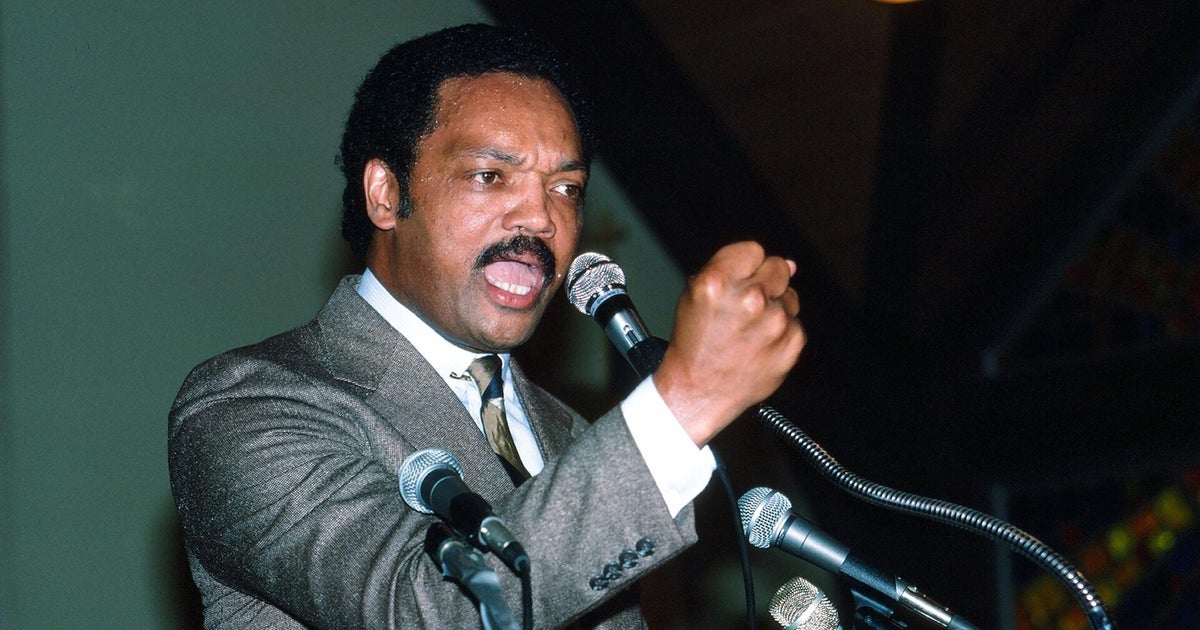
To understand the controversy surrounding this decision, it’s essential to recognize the profound and lasting impact that Jesse Jackson had on American politics and civil rights. A passionate civil rights leader and globally-minded humanitarian, Jackson’s fiery speeches and his groundbreaking presidential campaigns in 1984 and 1988 fundamentally transformed American politics for generations to come. At a time when the idea of a Black president seemed like a distant dream, Jackson’s campaigns broke barriers and proved that African American candidates could compete at the highest levels of American politics, paving the way for future leaders including Barack Obama. His organization, the Rainbow PUSH Coalition, became a vital hub for progressive organizers across the country, bringing together diverse groups under a common vision of social and economic justice. Jackson’s unapologetic calls for a progressive economic agenda and more inclusive policies for all racial groups, religions, genders, and sexual orientations laid the essential groundwork for what would become the progressive movement within the Democratic Party. His influence extended far beyond electoral politics—he was a champion for the marginalized, a voice for the voiceless, and a bridge-builder who understood that true justice required coalition-building across different communities. His “Rainbow Coalition” concept recognized that poor and working-class people of all races shared common economic interests and could work together for meaningful change.
A Global Champion for Human Rights
Jackson’s impact wasn’t limited to American shores—he garnered a global reputation as a tireless champion for human rights and international justice. His humanitarian work took him across multiple continents, where he successfully conducted the release of American hostages, using his moral authority and negotiating skills to achieve what traditional diplomacy sometimes could not. He argued passionately for greater connections between civil rights movements around the world, understanding that struggles for justice and equality transcended national boundaries. Jackson became most notably recognized as a fierce and persistent critic of Apartheid South Africa’s brutal policies of racial segregation, using his platform to keep international attention focused on the injustices occurring there and advocating for economic sanctions that would eventually help bring down the apartheid regime. His global perspective helped American civil rights activists see their struggle as part of a worldwide movement for human dignity and equality. Whether meeting with Middle Eastern leaders, advocating for peace in conflict zones, or standing in solidarity with oppressed peoples in Latin America, Jackson embodied the principle that human rights are universal and that America’s moral leadership required consistency in defending those rights everywhere. This international dimension of his work demonstrated that his vision extended far beyond domestic policy—he saw civil rights and human rights as fundamentally interconnected struggles.
The Controversy and What It Reveals About America Today
The decision by House Speaker Mike Johnson to deny the request for Jackson to lie in honor at the Capitol has not been without significant criticism and has revealed ongoing tensions about how America recognizes its historical figures. NAACP President Derrick Johnson issued a strong statement on Friday criticizing the Speaker’s decision, saying it “tells you everything you need to know about Mike Johnson and his gross disregard for our Constitution and our democracy.” This sharp response reflects a deeper frustration among civil rights advocates who see the denial as a failure to properly recognize the contributions of those who fought to make America live up to its founding ideals of equality and justice for all. The controversy highlights how America’s political divisions have increasingly infected even ceremonial decisions about who deserves national recognition. While Speaker Johnson’s office maintains that the decision was based on precedent and consistency, critics argue that precedent should be flexible enough to honor truly exceptional Americans who, though not holding government office, fundamentally changed the country for the better. The fact that exceptions have been made for figures like Rosa Parks and Billy Graham suggests that the capability exists to honor private citizens whose impact was sufficiently profound. As the nation continues to grapple with questions of racial justice, voting rights, and economic inequality—issues that Jackson spent his entire life addressing—the debate over his commemoration serves as a reminder that how we honor our history reflects our current values and priorities. Regardless of where the final services are held, Jesse Jackson’s legacy as a transformative figure in American history remains secure, though this controversy will likely continue discussions about whose contributions deserve the nation’s highest honors.