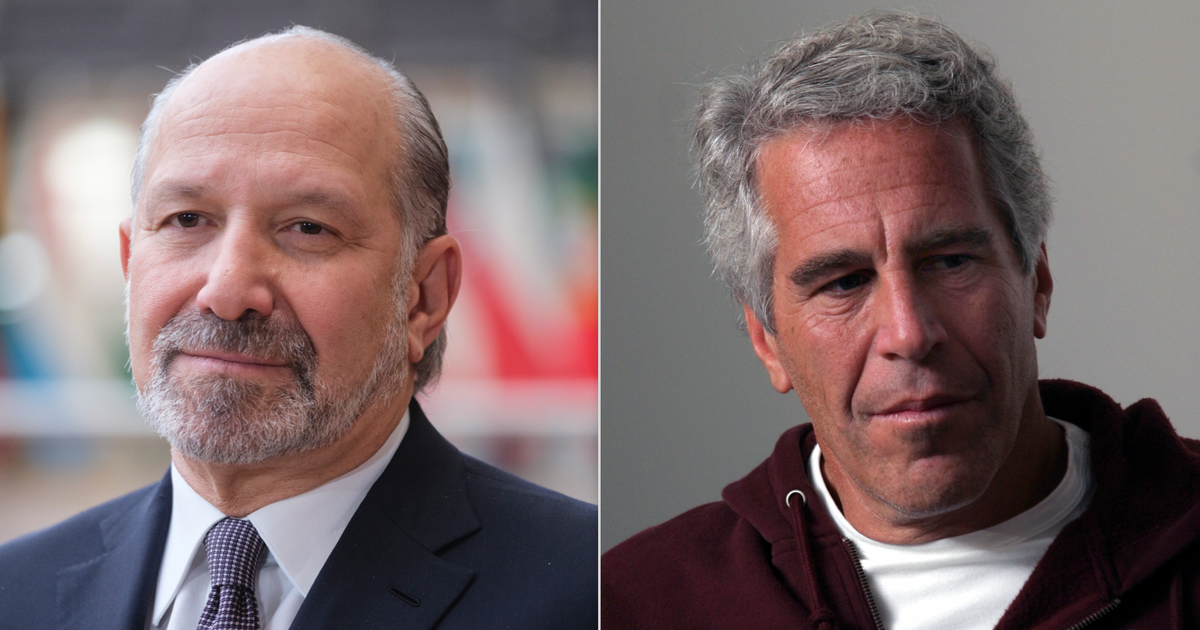

Commerce Secretary Lutnick to Testify About Jeffrey Epstein Connections
A Voluntary Appearance Before Congress
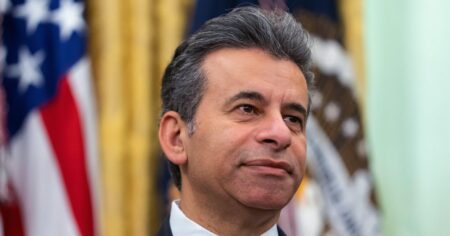
Commerce Secretary Howard Lutnick has made headlines by voluntarily agreeing to appear before the House Oversight and Government Reform Committee to discuss his past connections with the late convicted sex offender Jeffrey Epstein. This decision represents a significant moment in the ongoing congressional investigation into how the government handled the Epstein case and who may have been involved in the disgraced financier’s social and business circles. Representative James Comer, the chairman of the Oversight Committee, publicly commended Lutnick for his willingness to cooperate and praised what he described as a “demonstrated commitment to transparency.” While the committee has confirmed that Lutnick will testify, officials have not yet announced a specific date for when this important interview will take place. This voluntary testimony comes at a time when public scrutiny of Epstein’s connections to powerful individuals remains intense, and many Americans are demanding accountability and answers about the full extent of his network.
The Document Dump That Changed Everything
Lutnick’s name emerged as part of a massive release of government documents that shed new light on Jeffrey Epstein’s extensive network of contacts. In late January, the Justice Department released an extraordinary collection of more than 3 million pages of records from its investigation into Epstein’s crimes. This unprecedented document release revealed connections between the convicted sex offender and numerous powerful figures in business, politics, and society. Among those named in the documents was Howard Lutnick, who currently serves as Commerce Secretary but previously led the financial services firm Cantor Fitzgerald. The sheer volume of released materials provided investigators and the public with a clearer picture of just how extensive Epstein’s reach had been during his lifetime. These documents included emails, flight logs, photographs, and business records that painted a detailed portrait of Epstein’s relationships with influential people. For Lutnick and others mentioned in the files, the release meant that past associations that might have been forgotten or minimized were suddenly thrust into the harsh light of public examination.
Claims of Limited Contact Contradicted by Evidence
Before the document release, Lutnick had maintained that he severed all contact with Epstein back in 2005, which would have been three years before Epstein agreed to plead guilty to state prostitution charges in Florida in a controversial plea deal that many critics felt was far too lenient. However, the emails and records released by the Justice Department told a different story. The documents revealed that in 2012—seven years after Lutnick claimed to have cut ties—he, his wife Allison, and their children planned and executed a visit to Little St. James, the private Caribbean island owned by Epstein that would later become notorious as a location where many of his alleged crimes occurred. This discrepancy between Lutnick’s initial timeline and the documented evidence raised questions about the accuracy of his recollections or perhaps about his willingness to fully disclose the extent of his relationship with Epstein. The revelation put Lutnick in an uncomfortable position, forcing him to reconcile his public statements with hard evidence that suggested ongoing contact well beyond the timeframe he had initially acknowledged.
Testimony and Explanations
During his testimony before Congress last month, Lutnick faced direct questioning about his relationship with Jeffrey Epstein and specifically about the 2012 visit to the island. Under oath, Lutnick acknowledged that the visit had indeed taken place but worked to minimize its significance. He described it as an innocent family outing, stating emphatically that he “barely had anything to do with that person.” According to Lutnick’s account, the visit was brief and completely innocent: “We had lunch on the island, that is true, for an hour. Then we left with all of my children, with my nannies and my wife all together.” He emphasized the family nature of the trip, explaining that they were on vacation and that the family remained together throughout the visit. Lutnick pushed back against any suggestion that there was “anything untoward” about the 2012 visit, though he admitted he couldn’t recall the specific reason why they decided to visit Epstein’s island. His testimony attempted to portray the relationship as casual and the island visit as an unremarkable stop during a family vacation rather than evidence of a close friendship or business partnership with someone who would later be revealed as a serial sexual predator.
Business Ties and Neighborly Relations
The connections between Lutnick and Epstein extended well beyond a single lunch on a private island. The two men were neighbors in New York City, living in close proximity in one of the world’s most exclusive real estate markets. More significantly, the released documents revealed that they had business dealings together that continued as recently as 2014—nearly a decade after Lutnick claimed to have distanced himself from Epstein. The two were involved together in a company called Adfin, an advertising venture that has since closed its doors. An undated photograph also emerged showing Epstein and Lutnick together with three other men, apparently taken on Epstein’s island, providing visual evidence of their association. Perhaps most damaging to Lutnick’s claims of minimal contact were emails from 2018—just a year before Epstein’s final arrest—in which the two men discussed business matters related to their firm and also talked about plans for a museum expansion project. These 2018 communications are particularly significant because they occurred long after Lutnick’s stated 2005 cutoff date and even years after the 2012 island visit he characterized as insignificant. The timeline established by these documents suggests a relationship that was more sustained and multifaceted than Lutnick’s public statements had indicated.
The Epstein Legacy and Ongoing Accountability
Jeffrey Epstein was arrested in July 2019 on federal sex-trafficking charges that detailed a systematic pattern of abuse involving underage girls. Before he could stand trial, Epstein died by suicide in a Manhattan correctional facility, a death that sparked numerous conspiracy theories and left many of his victims feeling robbed of their day in court. His death, however, did not end the public’s demand for accountability regarding who knew what about his crimes and when they knew it. The congressional investigation into Epstein’s case represents an effort to understand not just his criminal behavior but also the network of enablers, associates, and friends who may have turned a blind eye to warning signs or who benefited from their association with him despite growing evidence of his predatory behavior. For individuals like Howard Lutnick who had connections to Epstein, the challenge now is explaining the nature of those relationships and demonstrating that they had no knowledge of or involvement in Epstein’s crimes. Lutnick’s agreement to testify voluntarily may be seen as an attempt to get ahead of the story and control the narrative, or it may represent a genuine commitment to transparency as Chairman Comer suggested. Regardless of his motivations, his upcoming testimony will be closely watched by investigators, journalists, and the public as one piece of the larger puzzle surrounding one of the most notorious criminal cases of our time.