


Deadly Airstrike on Kabul Drug Rehabilitation Center Sparks International Crisis
Hundreds Killed in Attack on “Hope” Hospital
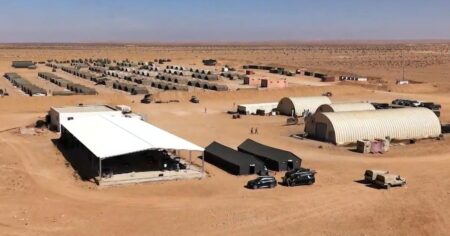
In a devastating incident that has shocked the international community, Taliban officials in Afghanistan are reporting that a Pakistani military airstrike has killed over 400 people and injured 250 others at a drug rehabilitation hospital in Kabul. The attack took place late Monday evening, around 9 p.m., targeting a facility known as “Omid” (meaning “Hope” in English) located in Kabul’s Police District 9. Taliban spokesman Hamdullah Firtat described the horrific scene on social media, explaining that the 2,000-bed rehabilitation center suffered massive destruction, with large portions of the hospital reduced to rubble. What makes this tragedy particularly heartbreaking is that the victims were primarily young Afghans struggling with addiction, seeking treatment at one of the country’s largest rehabilitation facilities housed in a former NATO camp. The death toll is expected to rise significantly as rescue teams continue the grim task of pulling bodies from the debris, according to Sharafat Zaman, a spokesman for the Taliban’s Ministry of Public Health who spoke with international media outlets.
Conflicting Accounts of What Actually Happened
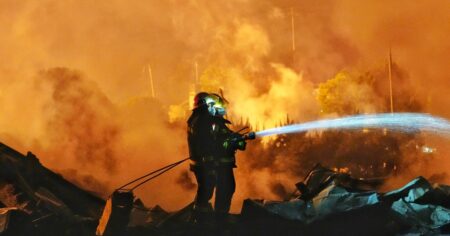
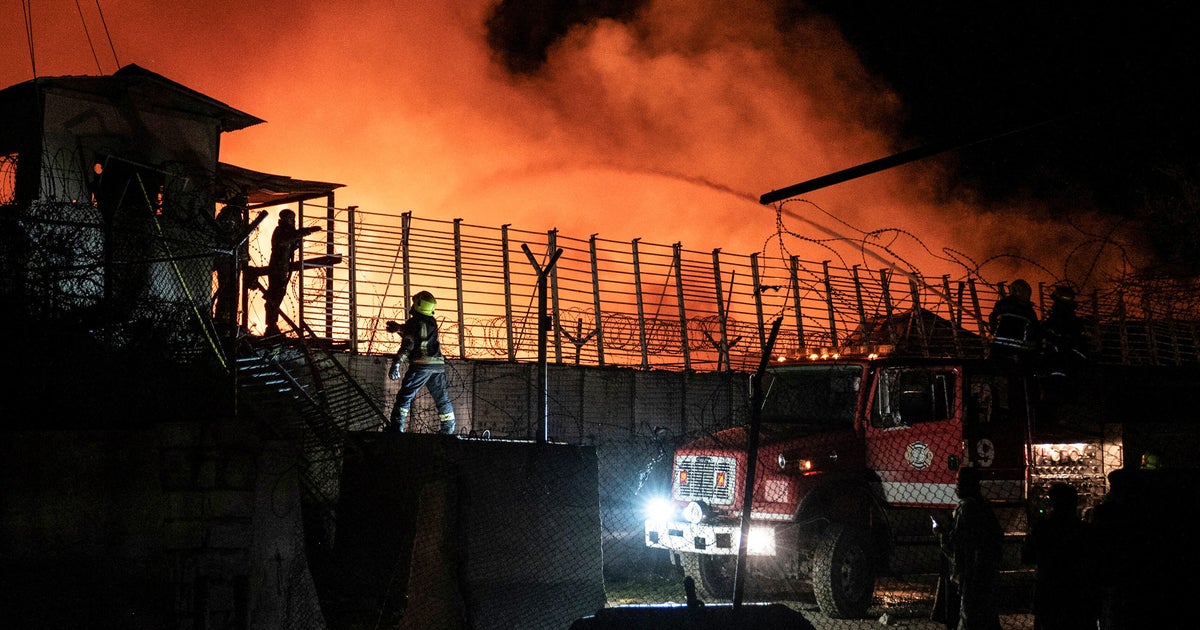
The aftermath of the strike has been marked by sharply contrasting narratives from the Afghan and Pakistani governments. Pakistan has firmly denied Taliban accusations that it deliberately targeted a medical facility, dismissing these claims as “false” and insisting that the strikes were “precision airstrikes” aimed at Afghan Taliban military installations in both Kabul and Nangarhar provinces. Pakistan’s Minister of Information and Broadcasting, Attaullah Tarar, stated on social media that the country’s armed forces successfully targeted “terrorism sponsoring military installations,” including what they described as “technical support infrastructure and ammunition storage facilities.” Pakistani officials pointed to what they called “visible secondary detonations after the strikes” as evidence of large ammunition depots at the location. However, videos shared with news organizations by the Taliban paint a different picture—showing the hospital engulfed in flames with firefighters and rescue teams desperately working to extinguish the fires and evacuate the dead and injured on stretchers. Eyewitnesses like Muhammad Ashraf, who was working at a nearby hospital, reported hearing gunshots followed by two loud explosions. Notably, the video footage circulating does not appear to show the secondary explosions or gunfire that Pakistani officials claim would indicate the presence of military installations or ammunition stores.
The Human Cost of Regional Tensions
The Omid rehabilitation center represents far more than just a medical facility—it’s a lifeline for thousands of Afghans grappling with one of the nation’s most severe social crises: drug addiction. Afghanistan has long struggled with widespread substance abuse, partly due to its role as the world’s leading opium producer and the devastating effects of decades of war and instability on its population. The rehabilitation center, housed in a sprawling former NATO military camp, provides treatment for mostly young people desperately seeking to overcome their addictions and rebuild their lives. These were not soldiers or militants; they were vulnerable individuals at their most fragile, trying to find hope and healing. The attack has effectively destroyed a crucial resource for addressing a public health emergency, and the psychological impact on survivors, families, and the broader Afghan community cannot be overstated. The images of firefighters battling flames while rescue workers carry stretchers through the rubble capture the human tragedy of modern warfare, where the line between military targets and civilian infrastructure becomes dangerously blurred. For the families of the victims—many of whom had placed their loved ones in the facility hoping for recovery and a better future—the loss is immeasurable and represents the cruel intersection of regional conflict and domestic health crises.
Escalating Conflict Between Neighboring Nations
This devastating attack didn’t occur in isolation but rather represents a dangerous escalation in weeks of intensifying cross-border hostilities between Afghanistan and Pakistan that began in late February. Pakistan has publicly declared it is in an “open war” with Afghanistan, claiming it is targeting terrorist groups that use Afghan territory as a safe haven to launch attacks against Pakistan. The Pakistani government specifically points to groups like Tehrik-e-Taliban Pakistan (TTP) as the reason for their military actions, asserting that these armed organizations operate from Afghanistan with the Taliban government’s tacit approval. Afghanistan vehemently denies these accusations, arguing that TTP is Pakistan’s internal security problem and not the responsibility of the Afghan Taliban government. The Taliban maintains that Pakistan is violating Afghanistan’s sovereignty through these airstrikes and has responded with its own military actions, including drone strikes on Pakistani cities. The conflict has seen Pakistani jets conducting strikes not just in border regions but deep into Afghan territory, including the capital Kabul itself. Just last week, the United Nations Assistance Mission in Afghanistan reported that at least four civilians were killed and fourteen injured in another airstrike in Kabul, highlighting the pattern of civilian casualties resulting from these military operations. An earlier ceasefire agreement brokered by Qatar collapsed in February, leaving the region without diplomatic guardrails to prevent further escalation.
International Response and Mediation Efforts
The international community has watched with growing alarm as the situation between Afghanistan and Pakistan deteriorates, with various nations and organizations attempting to broker peace between the two neighbors. China has emerged as a key mediator, with Beijing dispatching a special envoy to shuttle between Kabul and Islamabad in an effort to facilitate dialogue and prevent further bloodshed. China’s Foreign Ministry spokesman issued a public statement urging both sides to “remain calm and exercise restraint, engage face to face as soon as possible, achieve a ceasefire at the earliest opportunity, and resolve differences and disputes through dialogue.” China’s particular interest in regional stability stems from its significant economic investments in both countries and concerns about extremism spreading to its own western regions. The Chinese government has pledged to “continue to facilitate reconciliation and ease tensions,” recognizing that the conflict threatens broader regional security and economic development. The United Nations has also been monitoring the situation closely, documenting civilian casualties and calling for respect for international humanitarian law. However, the effectiveness of international mediation efforts remains uncertain, particularly given the deep-seated mistrust between the Taliban government and Pakistani authorities, complicated historical grievances, and the complex security dynamics involving various militant groups operating in the region.
The Path Forward Amid Humanitarian Crisis
As rescue operations continue at the destroyed rehabilitation center and the full scope of the tragedy becomes clearer, the immediate priority must be addressing the humanitarian crisis and preventing further loss of innocent lives. The destruction of the Omid hospital represents not just a military incident but a catastrophic setback for Afghanistan’s efforts to address its addiction epidemic, leaving thousands without access to crucial treatment services. The broader conflict between Afghanistan and Pakistan threatens to destabilize an already fragile region, with the potential to create a refugee crisis, disrupt trade and economic development, and provide opportunities for extremist groups to exploit the chaos. Both nations face legitimate security concerns—Pakistan deals with terrorist attacks that kill its citizens and security forces, while Afghanistan struggles to establish stability and sovereignty after decades of war. However, the targeting of civilian infrastructure, whether intentional or the result of faulty intelligence, cannot be justified under international law and represents a violation of the principles meant to protect non-combatants during armed conflict. Moving forward, the international community must intensify diplomatic pressure on both sides to return to negotiations, establish humanitarian corridors to protect civilians, and create verification mechanisms to prevent similar tragedies. The families grieving their loved ones lost in the Omid hospital attack deserve more than explanations and condolences—they deserve justice, accountability, and assurance that such horrors will not be repeated.