
High-Stakes Diplomacy: U.S. and Iran Navigate Nuclear Talks Amid Regional Tensions
A Delicate Dance of Negotiation
In the complex world of Middle Eastern diplomacy, the United States and Iran are currently engaged in a carefully choreographed negotiation that could reshape regional security for years to come. Through two rounds of indirect talks mediated by Oman, both nations are exploring unprecedented proposals that go far beyond the typical diplomatic playbook. According to sources close to the negotiations speaking with CBS News, the discussions are touching on everything from Iran’s nuclear enrichment capabilities and stockpiles of highly enriched uranium to surprising economic opportunities that could benefit both countries. What makes these talks particularly intriguing is Iran’s apparent willingness to sweeten the pot beyond just receiving sanctions relief—they’re reportedly open to purchasing American aircraft and potentially allowing U.S. companies access to their valuable oil and gas fields, along with joint investment opportunities. These proposals represent a significant shift in tone from the hostile rhetoric that has characterized U.S.-Iran relations for decades, suggesting that both sides may be genuinely searching for a pathway out of the current standoff.
The Nuclear Question and Regional Complications
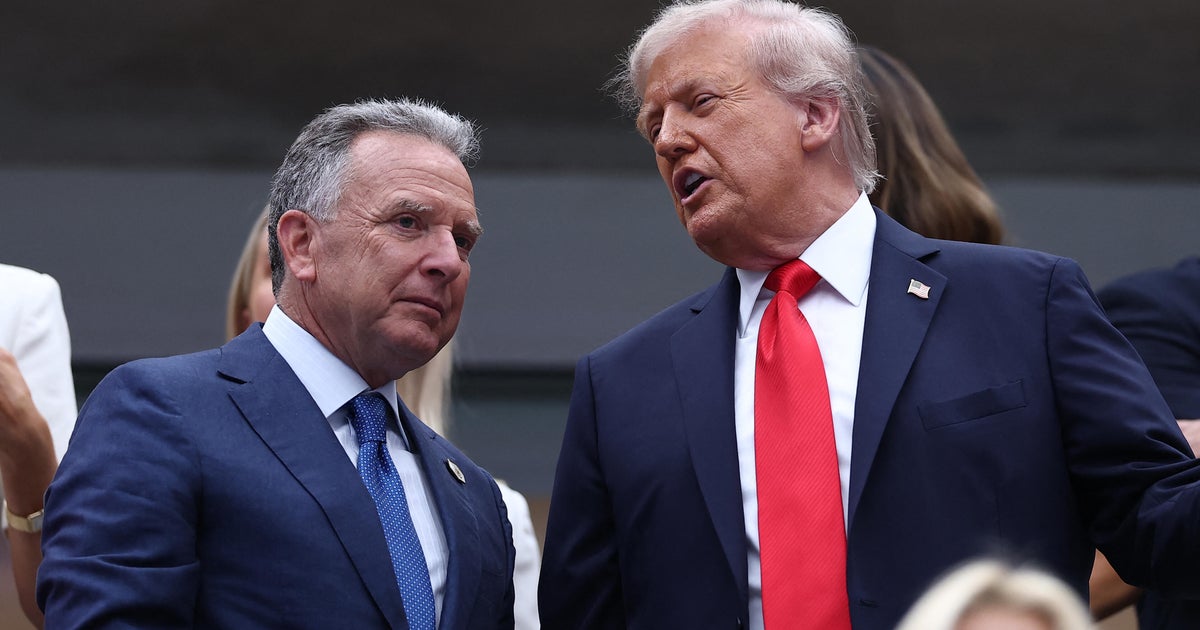
At the heart of these negotiations lies a fundamental disagreement about scope and priorities. Regional diplomatic officials have told CBS News that they’ve been advising U.S. envoy Steve Witkoff to keep Iran’s nuclear program separate from other contentious issues—specifically Tehran’s support for various militias that have targeted American interests throughout the region and Iran’s ballistic missile program. Witkoff appears receptive to this compartmentalized approach, seemingly willing to tackle these additional concerns through separate diplomatic channels involving regional partners. This strategy makes practical sense from a negotiating standpoint: trying to solve everything at once could doom the talks before they even get off the ground. However, President Trump has been characteristically clear about his one non-negotiable red line: Iran cannot have nuclear weapons. Interestingly, Iran has consistently maintained that it isn’t pursuing nuclear weapons at all, though many in the international community remain skeptical of these assurances. Beyond this nuclear prohibition, Trump’s other demands regarding Iran appear somewhat fluid, suggesting he’s keeping his options open as he weighs the alternatives between striking a deal and ordering military action against Iranian facilities.
Israel’s Opposition and Broader Regional Concerns
Not everyone is thrilled with the prospect of a deal that focuses narrowly on nuclear issues. Israeli Prime Minister Benjamin Netanyahu has publicly and forcefully stated that any agreement with Iran must address not only the nuclear program but also Iran’s ballistic missile capabilities and its network of proxy militias operating across the region. For Netanyahu and many Israeli security officials, these three threats are inseparable—dealing with one while ignoring the others would leave Israel vulnerable and would represent an incomplete solution to the Iranian challenge. U.S. Secretary of State Marco Rubio has echoed this position, indicating that a “meaningful deal” would need to encompass all three concerns. Rubio is planning to visit Israel later this month specifically to discuss the Iran situation, underscoring how critical Israeli input is to American decision-making on this issue. According to regional officials speaking with CBS News, Israel is particularly motivated to destroy Iran’s ballistic missile program because it wants to maintain the military superiority it gained after a 12-day conflict last June. The Israelis understand that their strategic advantage could be quickly eroded if Iran rebuilds its missile capabilities, especially with reported assistance from China. This has created a complicated dynamic where Israel may be pushing for military strikes even as diplomatic channels remain open.
The Military Option and Its Consequences
The shadow of military action looms over these diplomatic efforts, adding both urgency and risk to the negotiations. President Trump acknowledged recently that he’s approaching a decision point within the next 10 to 15 days, though he indicated a preference for diplomacy over military strikes. Some observers believe the actual deadline may be even shorter—possibly as soon as next Tuesday, February 24th, when Trump is scheduled to deliver his State of the Union address to Congress and the American people. CBS News has previously reported that American and Israeli officials have been discussing potential joint operations targeting Iran’s ballistic missile stockpiles. However, regional officials warn that any such strikes, regardless of how limited in scope, would almost certainly drive Iran away from the negotiating table and could trigger a wider conflict. Mark Dubowitz from the Foundation for Defense of Democracies told CBS News that President Trump has made clear to Israel that he recognizes the severe threat posed by Iran’s missile program and that Jerusalem reserves the right to destroy it, noting that Iran has been actively rebuilding its missile capabilities with Chinese assistance. The very existence of these current nuclear talks represents a tacit admission that Iran’s nuclear ambitions may not have been completely eliminated by the American strikes during “Operation Midnight Hammer” last summer, despite Trump’s claims at the time of “total obliteration.”
Regional Allies Push for Diplomatic Solutions
America’s key allies in the Middle East are strongly supporting the diplomatic approach and explicitly opposing the use of their territory for any military operations against Iran. Saudi Arabia, the United Arab Emirates, and Jordan have all made clear their preference for a negotiated solution, a position that carries significant weight given that approximately 40,000 U.S. troops are stationed throughout the region, many of them based in these very countries. If the United States were to strike Iran, a retaliatory response could put these American service members directly in harm’s way, creating a dangerous escalation spiral. Two regional officials told CBS News that the current diplomatic efforts being encouraged by Arab states and Turkey are focused on “changing the policies of the regime” rather than pursuing regime change itself. This represents a pragmatic acknowledgment that toppling the Iranian government would likely create chaos and unpredictability, potentially making the situation worse. That said, one Middle Eastern official acknowledged that there remains a “strong current in America that has interest in regime change in Iran,” referring to hawkish members of Congress and their supporters who view the Islamic Republic as fundamentally illegitimate and unreformable.
Moving Forward Through Indirect Channels
The mechanics of these negotiations reflect the deep distrust between Washington and Tehran. Turkey played an important role in the early stages, working to convince Iran that it should give negotiations with Trump’s representatives a chance despite Iran’s negative past experiences—particularly Trump’s 2018 withdrawal from the Joint Comprehensive Plan of Action (JCPOA), the 2015 nuclear agreement negotiated during the Obama administration, and his more recent decision to strike three Iranian nuclear facilities last summer. The latest round of indirect talks in Geneva on Tuesday involved Trump’s son-in-law Jared Kushner and envoy Steve Witkoff on the American side, with veteran Iranian diplomat Abbas Aragchi representing Tehran’s interests. Omani Foreign Minister Badr Albusaidi facilitated the discussions, serving as a trusted intermediary. Notably, Rafael Grossi, who heads the UN’s nuclear watchdog agency (the IAEA), was also consulted, despite the fact that his organization has been largely shut out of conducting regular inspections of Iran’s nuclear facilities in recent years. President Trump received a briefing on Wednesday about the latest developments, including the progress made during Tuesday’s Geneva session. As both sides continue these delicate negotiations, the coming days will be critical in determining whether diplomacy can succeed in addressing one of the world’s most persistent security challenges, or whether the region is headed toward another cycle of military confrontation with unpredictable and potentially devastating consequences for millions of people living in the Middle East.