


Understanding the Current U.S.-Iran Military Situation: A Comprehensive Overview
Signs of Desperation in Modern Warfare
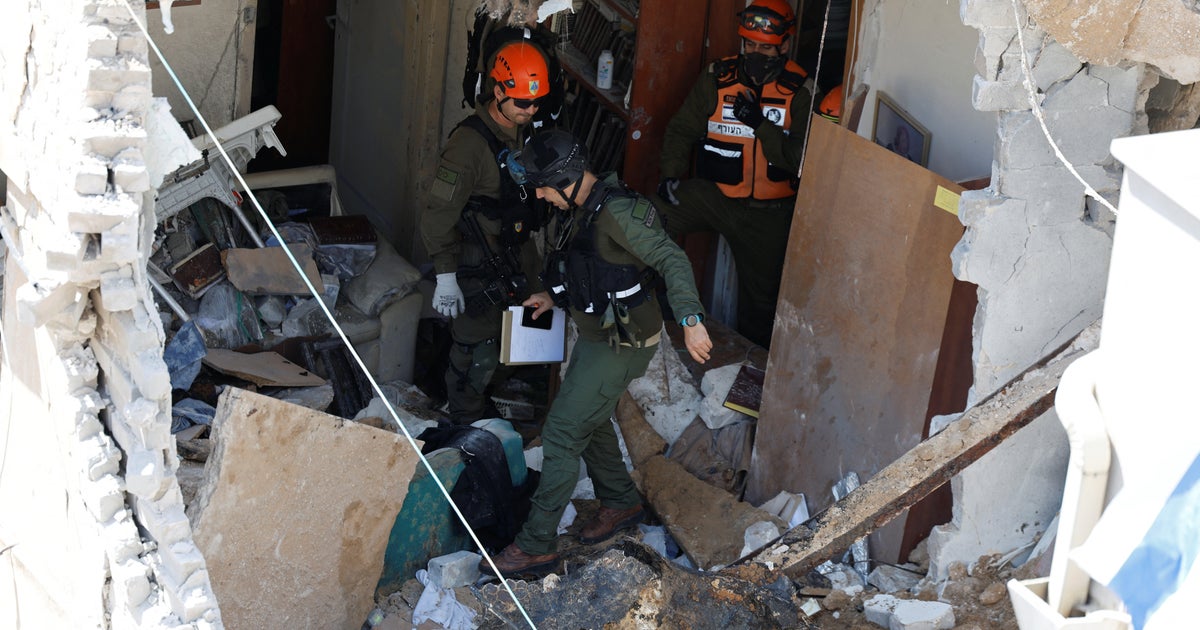
The ongoing conflict between the United States and Iran has taken a concerning turn, according to U.S. Navy Admiral Brad Cooper, who leads the U.S. military’s Central Command. In a candid interview with Iran International, a Farsi-language opposition satellite network, Admiral Cooper painted a picture of an Iranian military strategy that appears to be showing signs of strain and desperation. His most alarming observation centers on Iran’s recent tactical shift toward targeting civilian infrastructure rather than military objectives. According to Cooper’s assessment, Iranian forces have deliberately attacked civilian targets more than 300 times in just the past few weeks alone. This represents a significant change in warfare tactics and raises serious concerns about the safety of innocent civilians caught in the crossfire. The Admiral’s comments suggest that Iran’s military leadership may be struggling to maintain its previous operational capabilities, forcing them to resort to attacks on softer, civilian targets rather than engaging in traditional military-to-military combat. This shift in strategy is particularly troubling because it puts ordinary people at risk and violates international norms regarding the conduct of warfare.
Changes in Attack Patterns and Military Capabilities
Admiral Cooper’s analysis reveals a notable transformation in how Iranian forces are conducting their military operations as the conflict extends into its fourth week. At the outset of hostilities, Iran demonstrated the ability to launch large-scale coordinated attacks involving dozens of drones and missiles simultaneously. These massive salvos represented a show of force and military capability that demanded significant resources and coordination. However, according to Cooper’s observations, that pattern has dramatically changed in recent weeks. Instead of the overwhelming waves of drones and missiles that characterized the early days of the conflict, Iranian forces are now launching attacks in much smaller numbers—typically just one or two drones or missiles at a time. This reduction in attack volume could indicate several possibilities: Iran may be running low on munitions and military hardware, they may be facing difficulties in coordinating large-scale operations, or they may be deliberately conserving resources for future engagements. Whatever the reason, this shift represents a significant scaling back of Iranian military operations and suggests that the U.S.-led campaign may be having its intended effect on degrading Iran’s ability to wage sustained, large-scale warfare.
The U.S. Strategic Campaign and Its Objectives
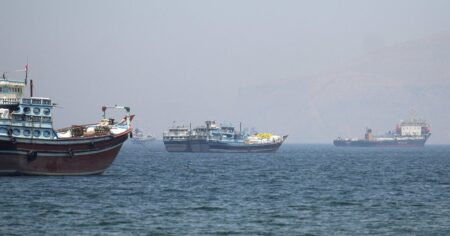
When discussing the American military campaign against Iranian targets, Admiral Cooper expressed confidence that operations are proceeding according to plan or even ahead of schedule. The U.S. strategy appears to be multifaceted and forward-thinking, focusing not just on neutralizing immediate threats but also on degrading Iran’s future military capabilities. American forces, working in coordination with Israeli partners, have been systematically targeting the infrastructure that enables Iran to produce and deploy its weapons systems. This includes drone manufacturing facilities, missile production sites, and various other military installations that support Iran’s ability to project power throughout the region. Cooper emphasized that the campaign also extends to naval capabilities, suggesting that the U.S. is working to limit Iran’s ability to threaten maritime traffic and project power through naval forces. This comprehensive approach to degrading military capabilities represents a long-term strategic vision rather than simply responding to immediate tactical threats. By targeting manufacturing and production facilities, the coalition aims to reduce Iran’s ability to replenish its weapons stockpiles, thereby limiting its capacity for sustained military operations in the months and years ahead.
Civilian Safety Concerns and Population Protection
One of the most striking aspects of Admiral Cooper’s interview was his direct message to the Iranian civilian population. Rather than encouraging immediate public demonstrations or uprisings, Cooper urged ordinary Iranians to remain indoors for their own safety. This cautionary message stems from the Iranian military’s tactical decision to launch missiles and drones from populated areas, a practice that effectively uses civilian neighborhoods as shields and launch platforms. By positioning military assets within residential areas, Iranian forces create a situation where any defensive response or counterattack risks causing civilian casualties. This strategy also makes it difficult for opposing forces to target legitimate military objectives without potentially harming innocent people. Cooper’s message acknowledges the very real danger that Iranian civilians face, caught between their own government’s military operations and the ongoing strikes by U.S. and Israeli forces. The Admiral’s words reflect an awareness that the civilian population is in a precarious position, and that encouraging mass gatherings or street protests during active military operations could lead to tragic loss of life. His statement represents an attempt to balance the desire for political change in Iran with the practical reality that such movements require timing that considers civilian safety as a paramount concern.
Political Aspirations and the Hope for Regime Change
Both the United States and Israeli governments have not hidden their hope that the Iranian people will eventually rise up and bring an end to the Islamic Republic, the theocratic government system that has ruled Iran for nearly half a century since the 1979 revolution. This aspiration for internal political change represents a long-standing policy goal that goes beyond immediate military objectives. Admiral Cooper alluded to this broader political vision when he mentioned that there would be “a clear signal at some point, as the president has indicated” for the Iranian public to safely emerge and potentially organize for political change. This statement suggests that American leadership envisions a scenario where military pressure creates conditions favorable for internal political transformation in Iran. However, Cooper’s careful messaging also indicates an understanding that timing is crucial—that premature calls for public demonstrations during active military operations could backfire and lead to unnecessary loss of life. The reference to presidential guidance suggests that decisions about when to encourage public political action in Iran are being made at the highest levels of American government, reflecting the sensitivity and importance of this issue. This approach reveals a strategy that combines military pressure with hopes for political change, betting that degraded military capabilities and economic pressure might eventually lead to domestic dissatisfaction that could challenge the current government’s grip on power.
The Broader Context and Future Implications
The situation described by Admiral Cooper exists within a complex regional and international context that extends far beyond the immediate military exchanges between the United States and Iran. This conflict represents the latest chapter in decades of tension between the two nations, dating back to the Iranian revolution and the subsequent hostage crisis. The current military campaign reflects not only immediate security concerns but also long-standing geopolitical competition in the Middle East, where Iran and its allies have sought to expand influence while the United States and its partners, particularly Israel and Saudi Arabia, have worked to contain Iranian power. The Admiral’s comments about Iranian desperation and reduced operational capability suggest that the current U.S. strategy may be achieving some of its intended effects, at least in terms of degrading immediate military capabilities. However, the situation remains fluid and dangerous, particularly for civilian populations in the region. The targeting of civilian sites by Iranian forces raises serious questions about potential war crimes and violations of international humanitarian law, while also highlighting the moral complexities of modern warfare where military and civilian infrastructure often intermingle. Looking forward, the outcome of this conflict will likely have profound implications not just for U.S.-Iran relations but for the entire Middle East region, affecting everything from oil markets to regional alliances to the lives of millions of ordinary people who simply want to live in peace and security. Whether the combination of military pressure and hopes for internal political change will achieve American policy objectives remains to be seen, but Admiral Cooper’s interview provides a window into current U.S. thinking and strategy at this critical juncture.