
Rising Tensions in the Strait of Hormuz: Iran’s Potential Mine Deployment Threatens Global Oil Supply
A Critical Waterway Under Threat
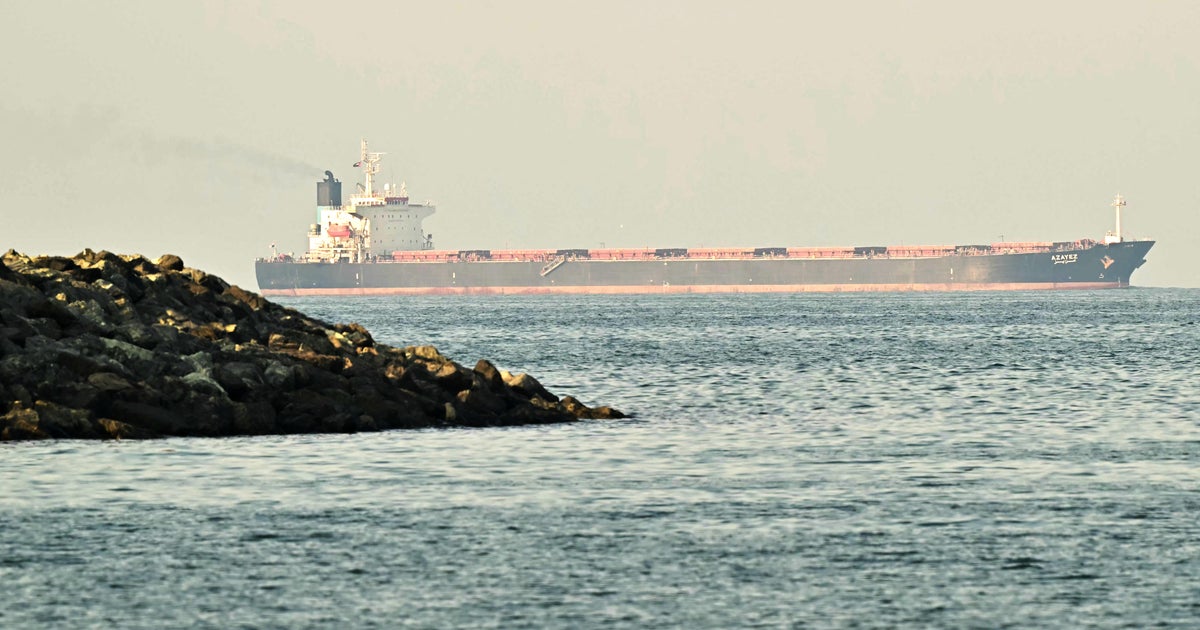
The narrow waters of the Strait of Hormuz, a vital gateway at the mouth of the Persian Gulf, have once again become the focal point of international concern as U.S. officials warn that Iran may be preparing to deploy naval mines throughout this crucial shipping lane. According to confidential reports from American officials speaking to CBS News, Iranian forces are allegedly using smaller vessels capable of carrying two to three mines each to strategically position these explosive devices in the strait. This development represents a significant escalation in regional tensions and poses a serious threat to global energy security. The Strait of Hormuz serves as an irreplaceable artery for the world’s oil supply, with approximately 20% of global crude oil passing through its waters daily. Oil tankers from major producers including Saudi Arabia, Iraq, and the United Arab Emirates must navigate these narrow waters to reach international markets, making any disruption here capable of sending shockwaves through the global economy and causing dramatic spikes in energy prices worldwide.
Iran’s Naval Mine Capabilities and Historical Precedent
While the exact size and composition of Iran’s naval mine arsenal remains classified and unknown to the public, expert estimates over recent years suggest the Islamic Republic maintains between 2,000 to 6,000 naval mines in its inventory. These weapons are believed to be manufactured domestically within Iran or acquired from international suppliers, primarily China and Russia. The deployment of such mines is not without historical precedent in this region. During the 1980s “Tanker War,” which occurred as part of the broader Iran-Iraq War, Iranian military forces routinely placed naval mines along major shipping routes used by commercial oil tankers, creating chaos in international shipping and drawing in international naval forces to conduct dangerous mine-clearing operations. More recently, tensions escalated when Reuters reported last year that Iranian military units had loaded naval mines onto vessels in the Persian Gulf, dramatically increasing friction between Washington and Tehran following Israel’s air operations against Iran during what became known as the 12-Day War. This pattern of behavior suggests that Iran views mine warfare as a strategic tool to exert pressure on international commerce and respond to perceived threats to its national security.
Trump Administration Issues Stark Warnings
President Trump responded swiftly to intelligence reports about potential mine deployment, taking to his Truth Social platform Tuesday afternoon with a characteristically forceful message directed at Tehran. “If Iran has put out any mines in the Hormuz Strait, and we have no reports of them doing so, we want them removed, IMMEDIATELY!” the President posted, carefully noting that at that moment there were no confirmed reports of actual mine placement. However, his warning continued with an unmistakable threat of military consequences: “If for any reason mines were placed, and they are not removed forthwith, the Military consequences to Iran will be at a level never seen before.” The President did offer a diplomatic off-ramp, adding that if Iran were to remove any mines that may have been placed, “it will be a giant step in the right direction.” This followed an earlier warning posted Monday in which Trump had threatened Iran with overwhelming retaliation, stating that “If Iran does anything that stops the flow of oil within the Strait of Hormuz, they will be hit by the United States of America twenty times harder than they have been hit thus far.” These statements reflect the administration’s recognition of both the critical importance of keeping the strait open and the potential for rapid escalation if mining operations are confirmed.
U.S. Military Response and Ongoing Operations
The Pentagon has already begun taking concrete military action in response to the perceived threat. During a press conference Tuesday morning, General Dan Caine, Chairman of the Joint Chiefs of Staff, revealed that U.S. Central Command—the unified combatant command responsible for military operations in the Middle East, including those directed against Iran—has been actively conducting operations to “hunt and strike” what he described as “mine-laying vessels” and “mine storage facilities.” This indicates that American military forces are not waiting passively for mines to be deployed but are instead taking proactive measures to destroy Iran’s mine-laying capabilities before they can be effectively utilized. Such operations likely involve sophisticated intelligence gathering through satellite surveillance, signals intelligence, and possibly human sources on the ground, combined with precision strikes from naval vessels, aircraft, or unmanned systems. The military campaign represents a significant commitment of resources and carries its own risks, as any direct strikes against Iranian military assets could potentially escalate into broader conflict. Nevertheless, U.S. military planners apparently believe that preventing mine deployment is preferable to the alternative of conducting dangerous and time-consuming mine-clearing operations after the fact.
Economic Ripple Effects and Insurance Industry Response
The potential threat to shipping in the Strait of Hormuz has already begun affecting the commercial maritime industry, even before any mines have been confirmed in the water. Major maritime insurance providers, which offer crucial protection and indemnity coverage that makes international shipping financially viable, have started pulling back from the region in response to the escalating risks. According to reporting from CBS News last week, prestigious insurance organizations including NorthStandard, the London P&I Club, and the American Club have issued warnings that they will suspend coverage for vessels operating in Iranian waters and certain parts of the Persian Gulf. These insurers cite the dramatically rising risk that commercial ships could become caught in military conflict or fall victim to mines, creating unacceptable exposure for their underwriting portfolios. This withdrawal of insurance coverage creates a cascading effect throughout the shipping industry—without adequate insurance, ship owners and operators cannot legally or practically send their vessels into these waters, regardless of the cargo demand or freight rates offered. The economic implications extend far beyond the immediate region, as even small disruptions in oil flow through the Strait of Hormuz can create supply concerns that drive up crude oil prices globally, affecting everything from gasoline prices at the pump to the cost of manufactured goods dependent on petroleum-based materials or transportation.
Global Stakes and the Path Forward
The current crisis in the Strait of Hormuz represents far more than a regional dispute between the United States and Iran—it touches on fundamental questions of international commerce, energy security, and the rules-based order that has governed global shipping for decades. The strait’s unique geography, measuring just 21 miles wide at its narrowest point, creates a natural chokepoint where a relatively small number of mines could theoretically disrupt traffic worth billions of dollars daily. For Iran, the ability to threaten this waterway represents one of its most powerful asymmetric capabilities against superior American and allied military forces, providing leverage in negotiations and deterrence against military action. For the United States and its partners, keeping the strait open represents not just an economic imperative but a matter of principle regarding freedom of navigation in international waters. The coming days and weeks will likely prove critical in determining whether this situation can be resolved through diplomatic channels or whether military confrontation becomes inevitable. International observers and market participants will be watching closely for any confirmed reports of mine deployment, changes in shipping patterns, further military movements, or diplomatic initiatives that might defuse the situation. The global economy’s heavy dependence on Middle Eastern oil flowing through this single narrow waterway highlights a vulnerability that has existed for decades but takes on renewed urgency with each escalation in regional tensions.