



Europe Takes the Lead in Anti-Drone Warfare as America Lags Behind
The Wake-Up Call from Modern Conflicts
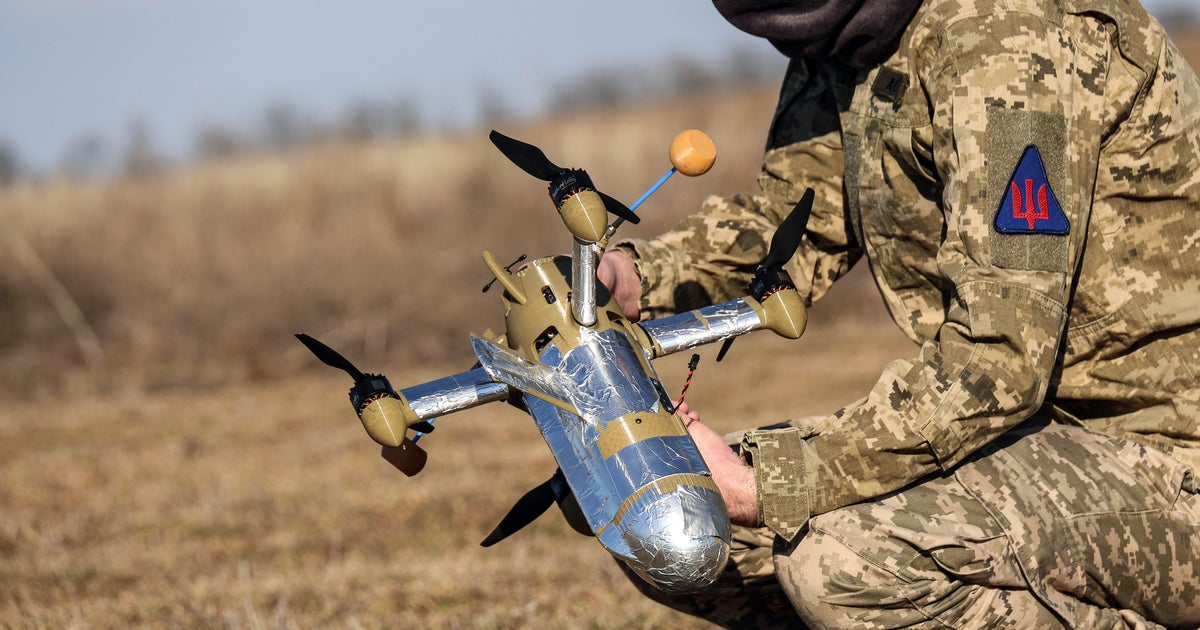
The ongoing conflicts in Iran and Ukraine have served as a stark reminder of how warfare has fundamentally changed in the 21st century. Inexpensive drones, some costing just a fraction of traditional military equipment, are now capable of threatening human lives and crippling vital infrastructure with alarming effectiveness. What’s perhaps most concerning is that the United States and several of its key Middle Eastern allies appear unprepared to counter these airborne threats adequately. While President Trump continues his pointed criticism of America’s European NATO partners, these same allies are quietly revolutionizing anti-drone warfare capabilities, drawing lessons from four grueling years of combat experience in Ukraine. The Russian invasion forced Ukraine to rapidly develop sophisticated, modern anti-drone defenses out of sheer necessity. Now, Ukrainian experts and their cutting-edge equipment are being deployed to the Middle East at America’s request, helping protect U.S. forces and regional allies from Iranian drones and those launched by Iran’s proxy groups throughout the region. This ironic twist – where a war-torn nation assists the world’s most powerful military – underscores just how rapidly the tactical landscape has shifted.
Poland’s Revolutionary SAN System: Learning from Ukraine’s Battlefield
Among NATO’s European members, Poland has emerged as a frontrunner in developing comprehensive anti-drone defense systems, with Germany and others following closely behind. According to Robert Tollast, a research fellow specializing in land warfare at the prestigious British military think tank RUSI, Poland is currently creating “one of the most capable and dense counter-drone systems in the world.” The urgency driving this development reflects a broader problem: many NATO countries, including the United States, have been remarkably slow to adapt to drone threats. Tollast explains that this sluggishness stems partly from an excessive focus on experimental technologies like laser systems, rather than deploying proven solutions quickly. The lesson from Ukraine is crystal clear and refreshingly practical: “You just need what works, and you need it as soon as possible.” In January, Polish Prime Minister Donald Tusk unveiled the SAN program, named after a river, which will become “the largest counter-UAS [Unmanned Aircraft System] system in Europe,” according to Radoslaw Piesiewicz, co-founder of Advanced Protection Systems (APS), the Polish radar manufacturer building the system. APS is collaborating with Poland’s state-controlled defense group PGZ and Norwegian defense company Kongsberg to bring SAN to life, utilizing technology already proven effective on Ukrainian battlefields. The strategic importance extends beyond Poland’s borders, as Piesiewicz emphasizes: “In protecting the Polish airspace, obviously we are protecting a big chunk of the eastern NATO flank.”
How the Technology Actually Works: Detecting and Destroying Aerial Threats
The SAN system represents a sophisticated integration of multiple technologies working in concert to identify and neutralize drone threats of various sizes and capabilities. The system incorporates specialized radar, optical cameras, and radio frequency sensors to detect enemy drones, then employs jammers and weapons of different calibers to disable or destroy them before they reach their targets. Understanding why new radar technology is necessary requires grasping a fundamental challenge facing traditional air defense systems. As Tollast explains, most Western air defense radars were designed to track large objects at high altitudes – ballistic missiles, fighter jets, and similar aircraft. Drones present an entirely different challenge: they’re small, typically fly very low to the ground, and create numerous detection problems for conventional radar systems. Piesiewicz reinforces this point, noting that legacy radars, despite being quality equipment, simply weren’t designed to detect Iranian-made Shahed drones or smaller commercial-style drones effectively. The SAN solution requires two critical components: radars specifically engineered to monitor airspace for small, low-flying objects, and sophisticated command and control software that allows operators to monitor that airspace continuously and respond appropriately to threats.
The Mobile Defense Network: Flexibility and Comprehensive Coverage
Beyond its technological sophistication, SAN distinguishes itself through its mobile, flexible deployment capabilities. The system will consist of approximately 700 vehicles organized into 50 to 60 platoons, each staffed with 30 to 50 trained service members. This mobile infrastructure enables the system to provide flexible coverage across vast territories, adapting to changing threat patterns and protecting areas as needed. The system’s detection capabilities span an impressive range, from tiny commercially available drones flown by hobbyists to military-grade Shahed drones currently being used by Iran to attack Gulf neighbors and maritime traffic in the strategically vital Strait of Hormuz. Piesiewicz provides a practical example of how SAN operates against larger drones like Shaheds: the specialized radar can precisely track a Shahed’s position from more than 10 kilometers (approximately 6 miles) away from the operator, while also helping classify the target definitively as a Shahed rather than a civilian aircraft or bird. Once tracking information is captured, sophisticated software processes the data and enables a counter-drone operator to launch an interceptor drone against the threat. This interceptor is directed automatically toward the target using radar information until it closes within visual range, at which point the interceptor’s camera system takes over, allowing the operator to guide the final approach and neutralize the threat through direct impact. For smaller drones, the radar detection range is naturally shorter, but still sufficient to automatically direct defensive guns toward the targets and steer the weapons properly to eliminate the threat before it reaches its intended target.
Global Implications and Growing Demand for Proven Solutions
The practical effectiveness of systems like SAN has not gone unnoticed internationally. Since the current conflict in Iran began, Piesiewicz reports receiving “many” inquiries about APS’s anti-drone technology – “serious ones, from the serious places,” as he carefully phrases it. While he declines to identify specific countries due to the sensitive nature of defense procurement, he notes that various nations are clearly struggling with drone threats and actively seeking solutions. The interest isn’t surprising given the devastating effectiveness drones have demonstrated in recent conflicts. Britain and the United States are beginning to move beyond the experimentation phase regarding counter-drone systems, according to Tollast, though he emphasizes they need to accelerate considerably. However, he acknowledges that shifting focus and resources toward anti-drone systems presents significant challenges for the world’s most powerful militaries. These changes raise what military strategists call “force design questions” – fundamental questions about how armed forces should be structured. If major powers are preparing for high-intensity conflicts (Europe potentially facing Russia, America potentially confronting China), how many soldiers and air force personnel should be dedicated to counter-drone defense efforts? What should future armies look like when drones represent such a significant threat? This equipment is expensive, and as Tollast pragmatically notes, “you don’t win wars by being excellent at defending yourself, basically. There are trade-offs.”
The Urgent Economic and Strategic Imperative
During a recent visit to London, Ukrainian President Volodymyr Zelenskyy drew explicit connections between the ongoing conflicts, describing Russia and Iran as “brothers in hatred” and highlighting how Iran sells Shahed drones to Russia for use against Ukrainian targets. This connection underscores how drone technology and tactics are rapidly proliferating among adversarial nations, making robust countermeasures increasingly urgent. Despite the trade-offs and difficult resource allocation decisions, Piesiewicz insists that Western militaries must prioritize equipping themselves with state-of-the-art anti-drone systems immediately. The imperative isn’t merely about protecting human lives, though that remains paramount. Economic considerations are equally compelling – a single successful drone attack on critical infrastructure like power plants, refineries, or transportation hubs can cause billions in damage and widespread disruption, far exceeding the cost of comprehensive defensive systems. The broader strategic picture reveals a somewhat embarrassing reality: as the United States continues debating experimental approaches and allocating resources, its European allies – particularly those closest to active conflict zones – are moving decisively to implement proven, battlefield-tested solutions. Poland’s development of the SAN system, informed directly by Ukrainian combat experience, represents not just a national defense initiative but a potential model for NATO’s eastern flank and beyond. As these systems prove their worth, the platform is designed for export to other NATO countries, several of which have already expressed interest in joining the effort. The drone warfare revolution is here, and those nations learning fastest from recent conflicts – absorbing lessons written in the harsh reality of actual combat rather than theoretical exercises – are positioning themselves as the new leaders in this critical dimension of modern defense.