
Iran’s Military Capabilities: The Gap Between Official Claims and Intelligence Reality
Significant Military Assets Remain Despite Intense Campaign
In a stark contrast to the public declarations from the White House and Pentagon, intelligence officials are painting a more sobering picture of Iran’s remaining military capabilities following Operation Epic Fury. According to multiple U.S. officials with direct access to intelligence assessments who spoke to CBS News, the Islamic Republic of Iran retains far more military power than Americans have been led to believe. These revelations suggest that while the joint U.S.-Israeli military campaign certainly inflicted substantial damage on Iranian forces, the regime’s ability to project power and threaten regional stability remains considerably intact. The disparity between public statements from top officials and the actual intelligence assessments raises important questions about transparency during military operations and the potential for miscalculating Iran’s capacity to respond to regional provocations.
Half of Iran’s Missile Arsenal Still Operational
Perhaps most concerning to defense analysts is the revelation that approximately 50% of Iran’s ballistic missile stockpile remains operational, along with about half of the launch systems needed to deploy them. This represents a formidable capability that could threaten U.S. forces, American allies, and partners throughout the Middle East. Iran has spent decades developing an extensive missile program, creating one of the largest and most diverse arsenals in the region. These weapons range from short-range tactical missiles to medium and intermediate-range ballistic missiles capable of reaching targets across the Gulf region and beyond. The survival of such a significant portion of this arsenal suggests that despite thousands of strikes, Iran successfully protected key elements of its strategic deterrent through hardening, concealment, and dispersal tactics. As of early April when the ceasefire began, intelligence assessments confirmed that Iran maintained not just the missiles themselves but also the critical infrastructure needed to launch them, including mobile launchers, command and control systems, and trained personnel.
Naval Forces Present Continuing Threat in Strategic Waters
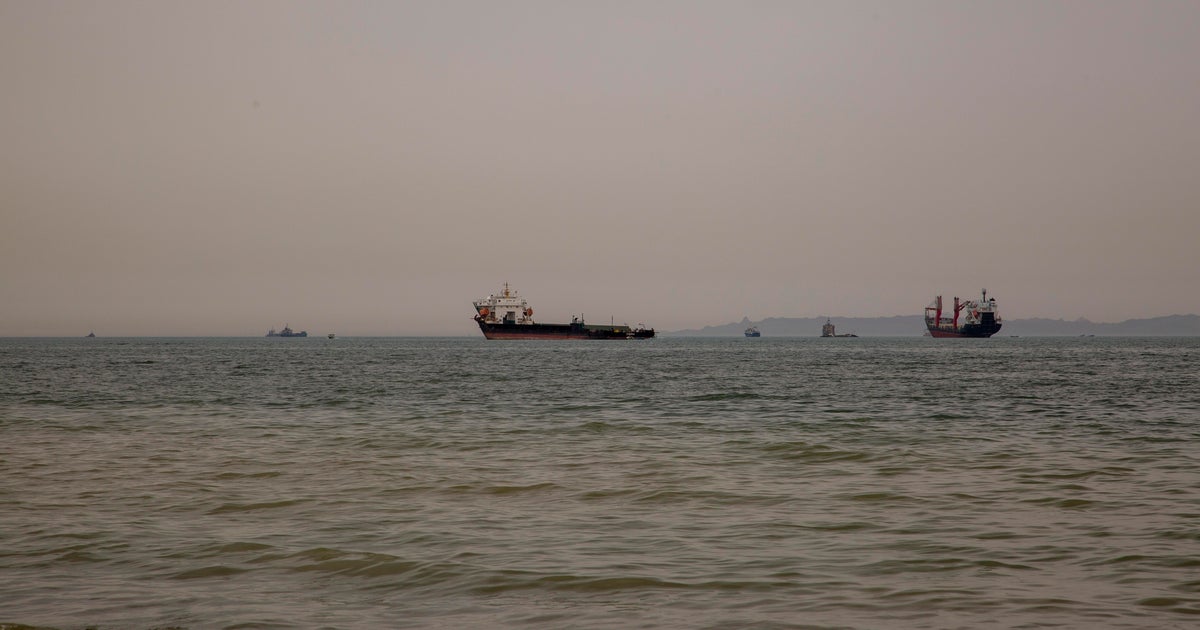
The situation with Iran’s naval capabilities presents a complex picture that helps explain recent aggressive actions in the Strait of Hormuz. While Pentagon spokesman Sean Parnell correctly noted that 92% of Iran’s conventional navy’s largest vessels have been destroyed—representing what he called “the largest elimination of a navy over a three-week period since World War II”—this statistic doesn’t tell the whole story. Intelligence officials emphasize that approximately 60% of the Islamic Revolutionary Guard Corps’ naval arm remains operational, and this force operates on an entirely different model than Iran’s conventional navy. The IRGC Navy specializes in asymmetrical warfare, utilizing swarms of fast-attack speedboats, mines, and unconventional tactics designed specifically to challenge larger, more sophisticated naval forces in the confined waters of the Persian Gulf. This remaining capability was demonstrated dramatically when Iranian gunboats attacked several commercial vessels in the Strait of Hormuz shortly after President Trump announced he was unilaterally extending the ceasefire to allow more time for peace negotiations. The attack highlighted that despite significant losses, Iran retains the ability to disrupt oil shipping through one of the world’s most critical maritime chokepoints, through which roughly one-fifth of global oil consumption passes daily.
Air Power Degraded but Not Eliminated
Iran’s air capabilities have suffered substantial damage during Operation Epic Fury, with intensive strikes targeting aircraft, airfields, maintenance facilities, and air defense systems. However, intelligence assessments indicate that roughly two-thirds of Iran’s air force remains believed to be operational—a far cry from complete destruction. While this represents significant degradation of capability, it means Iran still possesses dozens of aircraft that could potentially threaten regional targets or defend Iranian airspace against certain types of incursions. The U.S. and Israeli campaign struck thousands of targets including storage facilities, production centers, and command infrastructure, certainly setting back Iran’s air power for years to come. Yet the survival of a substantial portion of Iran’s air assets demonstrates the challenges inherent in completely neutralizing a determined adversary’s military capabilities, even with overwhelming technological superiority. The remaining Iranian aircraft, combined with air defense systems that weren’t completely eliminated, mean that the Islamic Republic maintains at least some capacity to contest airspace and potentially conduct limited offensive operations, particularly against less defended targets in the region.
The Disconnect Between Public Statements and Intelligence Assessments
The gap between official public statements and intelligence assessments creates a troubling picture of how military successes are communicated to the American public. President Trump stated unequivocally on Tuesday that “We’ve taken out their navy, we’ve taken out their air force, we’ve taken out their leaders,” presenting a picture of total military victory. Defense Secretary Pete Hegseth went even further during an April 8 Pentagon briefing, declaring that “Operation Epic Fury was a historic and overwhelming victory on the battlefield, a capital V military victory” that “decimated Iran’s military and rendered it combat ineffective for years to come.” These absolute statements stand in marked contrast to the intelligence community’s more nuanced assessment. Marine Lieutenant General James Adams, head of the Defense Intelligence Agency, provided a more measured evaluation in written testimony submitted before a House Armed Services Committee hearing, stating that “Iran retains thousands of missiles and one-way attack UAVs that can threaten U.S. and partner forces throughout the region, despite degradations to its capabilities from both attrition and expenditure.” This acknowledgment from the intelligence community suggests that while Operation Epic Fury achieved significant tactical and operational successes, claims of complete military victory may be premature and potentially dangerous if they lead to complacency about Iran’s remaining capabilities.
Strategic Implications and the Path Forward
The revelation that Iran maintains substantial military capabilities despite intensive bombardment carries significant implications for regional security and ongoing peace negotiations. The ceasefire extension announced by President Trump was intended to create space for diplomatic progress, yet the attack on commercial shipping in the Strait of Hormuz demonstrates that Iran remains both willing and able to use its remaining military assets to influence negotiations and signal its continued relevance as a regional power. Pentagon spokesman Sean Parnell defended the military campaign’s accomplishments, noting that more than 13,000 Iranian targets were struck in less than 40 days, delivering what he called “a crippling series of blows to the Iranian regime.” His statement that “Secretary Hegseth could not be prouder of our warfighters’ resolve, and mainstream media’s obsession with discounting their efforts is telling” suggests sensitivity within the Defense Department about how the operation is being characterized. However, the concern raised by these intelligence assessments isn’t about discounting American military achievements but rather ensuring that policymakers, military planners, and the public have an accurate understanding of the remaining threat. Overestimating the damage inflicted on Iranian forces could lead to strategic miscalculations, inadequate force protection measures for American troops in the region, or unrealistic expectations about Iran’s negotiating position. As peace talks continue, understanding that Iran maintains approximately half its missile forces, 60% of its asymmetric naval capability, and two-thirds of its air force should inform both diplomatic strategy and military posture throughout the region.