



The Hidden Crisis: How Iran Conflict Threatens Global Supply of Critical Materials
Beyond Oil: A Looming Shortage of Essential Resources
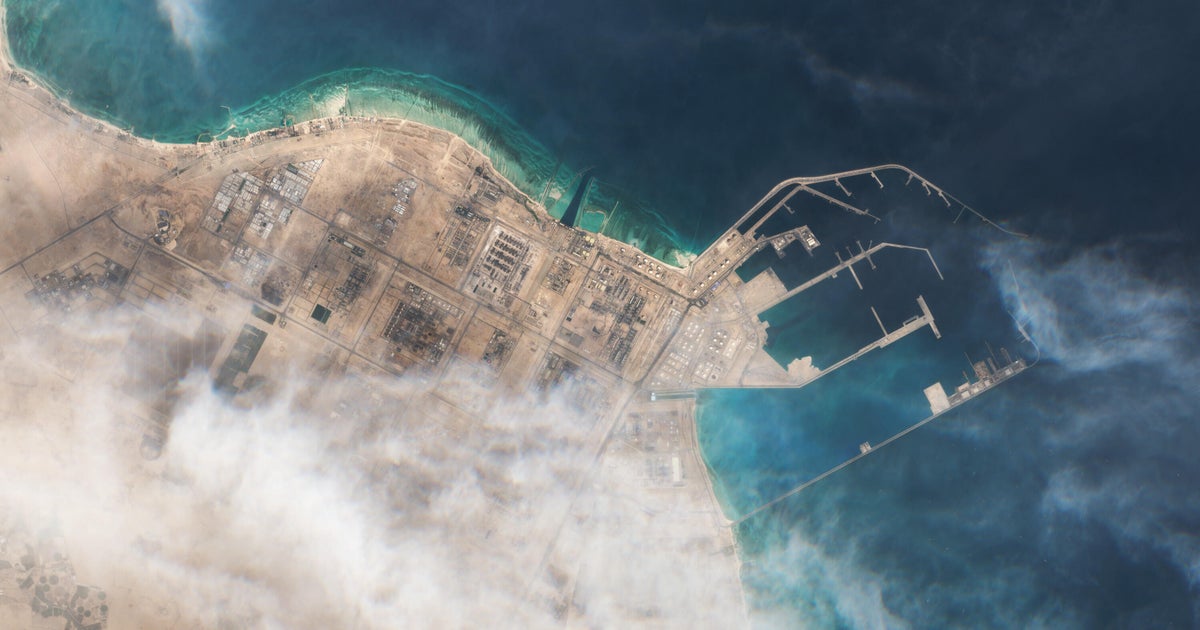
While much of the world’s attention has focused on rising oil and gas prices amid the Iran conflict, a more insidious crisis is quietly unfolding that could affect everything from the smartphone in your pocket to life-saving medical equipment in hospitals. The ongoing tensions in the Middle East are disrupting the global supply of helium and aluminum—two materials that might not make headlines like gasoline prices, but are absolutely essential to modern life. Qatar, a tiny nation that produces roughly one-third of the world’s helium supply, has stopped helium production entirely this month following Iranian strikes on two liquid natural gas facilities owned by the state-run QatarEnergy company. This disruption comes at a critical time when the world is already grappling with fragile supply chains, and the consequences could reverberate through industries for years to come. While consumers have watched gas prices climb to $4 per gallon for the first time since August 2022, the helium shortage has largely flown under the radar—but its impact could be far more profound and long-lasting than temporary pain at the pump.
Understanding the Helium Crisis and Why It Matters
Helium might seem like something you’d only encounter in party balloons, but this noble gas plays an absolutely critical role in modern technology and medicine. It’s a byproduct of natural gas processing, which means attacks on Qatar’s liquefied natural gas facilities have directly impacted helium production. QatarEnergy has warned that the attacks wiped out 17% of the country’s LNG export capacity, and here’s the truly alarming part: repairs could take three to five years to complete. That’s not a typo—we’re talking about a multi-year disruption to a resource that the world depends on daily. As Vidya Mani, a global supply chain expert at the University of Virginia’s Darden School of Business, candidly admitted, “We were so focused on gas supply that we didn’t see the helium shortage.” The problem is compounded by the fact that only a handful of countries produce helium at all. The United States leads the pack with 81 million cubic meters produced last year, but Qatar, Algeria, and Russia are the only other major producers. Russian supplies are already off the table due to U.S. and European Union sanctions, which means Qatar’s shutdown removes another critical supplier from an already constrained market. When such a concentrated market loses one of its key players, the entire global supply becomes destabilized, and there’s no quick fix to compensate for the loss.
The Semiconductor Connection: Your Digital Life at Risk
Here’s where things get personal for anyone who uses a smartphone, laptop, or basically any electronic device. Helium is absolutely essential for manufacturing semiconductor chips—those tiny components that power virtually every piece of modern technology. Why is helium so important? Because it’s incredibly effective at transferring heat, making it ideal for rapid cooling during the chipmaking process. Semiconductor manufacturers use helium to cool wafers, which are the discs of silicon printed with microscopic electronic circuits. During the etching process, when material deposited on a wafer is carefully scraped away to form transistor structures, helium plays an indispensable role, according to Jacob Feldgoise, an analyst at Georgetown University’s Center for Security and Emerging Technology. Mani drives the point home with stark clarity: “Helium is an essential component of semiconductor manufacturing, and a significant proportion of it comes from Gulf countries. Imagine not having chips to power laptops, iPhones and small appliances? Everything with circuitry runs on one, and all of those will be hurt if we don’t get helium soon.” The reality is that manufacturers typically store no more than two months’ worth of helium supplies. Once those resources start running low, we’ll see the impact spread across countless industries. Helium suppliers are already warning their U.S.-based customers, including chip and electronics manufacturers, to brace for shortages and price increases. According to Cliff Cain of Pulsar Helium, an exploration and development company, manufacturers are already receiving “force majeure” notifications and allocation letters. “The effects are already being felt,” he told CBS News, adding that “everything from vehicle chips to iPhones will definitely be affected.”
Ripple Effects: From Medical Care to Space Exploration and AI
The helium shortage extends far beyond consumer electronics. The medical industry depends heavily on helium to cool the superconducting magnets that power MRI machines—those crucial diagnostic tools that help doctors identify everything from torn ligaments to brain tumors without invasive procedures. A helium shortage could mean reduced access to these life-saving scans, potentially delaying diagnoses and treatment for patients across the country. Meanwhile, the space industry uses helium to purge rocket fuel tanks, a demand that’s only expected to grow as companies like SpaceX and Blue Origin increase their launch frequency. Perhaps most significantly for the economy’s future, the helium shortage threatens to derail the artificial intelligence boom that many see as the next frontier of technological advancement. Because there’s no way to quickly boost helium supplies in the near term, a global shortage will inevitably constrain chip manufacturing. This could interfere with the construction of AI data centers and force companies to scale back their ambitious investment plans. “Semiconductor manufacturers have already indicated that they will not be able to meet their 2030 manufacturing goals,” Cain warned, adding that “we have resources here, but it’s not going to make up for the 33% disruption globally.” Yvette Connor, risk advisory leader at CohnReznick, a business advisory firm, suggested that American AI companies’ growth trajectory could be significantly blunted by chip shortages related to helium constraints. “It could potentially slow their velocity, not their capability,” she explained—meaning companies won’t lose their technical know-how, but they’ll be forced to operate at a slower pace than planned.
The Aluminum Problem: A Squeeze on Everything from Soda Cans to Cars
As if the helium crisis weren’t enough, a prolonged conflict in Iran could also trigger shortages of aluminum, potentially driving up costs for food packaging and countless consumer goods. Roughly 9% of the world’s aluminum supply comes from Gulf countries, and local disruptions are already making their presence felt in global markets. This week, aluminum prices hit a four-year high, reflecting the growing concerns about supply constraints. According to Stephen Hare and Sebastian Tillet of Oxford Economics, multiple factors are converging to create a perfect storm: “Disruptions in the region are reducing available supply, while rising energy costs are increasing production costs across the global cost curve. Together, this is tightening market conditions and pushing aluminum prices higher.” An aluminum shortage would have immediate and visible impacts on consumer goods packaging costs, Mani explained. Think about everything that comes in aluminum cans—sodas, beer, canned foods—and you’ll start to understand how this could affect grocery bills. But the impact goes far beyond beverage containers. Aluminum is used extensively in the automobile industry, where it helps make vehicles lighter and more fuel-efficient. It’s also crucial in the electronics sector, which already faces challenges from the helium shortage. These industries “can expect to see a crunch,” Mani warned, meaning consumers might face higher prices for cars, appliances, and electronic devices in the coming months and years.
Looking Ahead: Navigating an Uncertain Future
The convergence of these supply chain disruptions paints a concerning picture for the global economy. While consumers have become accustomed to thinking about geopolitical conflicts primarily in terms of gas prices and inflation, the Iran situation reveals how modern conflicts can reach into unexpected corners of daily life. The smartphone you’re reading this on, the car you drive, the MRI machine that might one day diagnose a health condition—all depend on materials sourced from a handful of countries in an unstable region. The challenge ahead is that many of these problems don’t have quick fixes. Unlike oil prices, which can fluctuate rapidly based on production adjustments, rebuilding helium production capacity takes years, not months. The global economy has become so interconnected and dependent on specialized materials from specific regions that disruptions in one country can cascade across industries worldwide. What can be done? In the short term, companies will need to carefully manage their existing helium and aluminum stockpiles, prioritize critical applications, and prepare for higher costs. Longer term, this crisis underscores the need for diversifying supply chains and investing in alternative sources for critical materials. For helium, that might mean accelerating development of deposits in other countries or improving recycling and recovery technologies. For aluminum, it could involve expanding production capacity in more stable regions. As consumers, we’re likely to feel these impacts through gradually rising prices for electronics, vehicles, and packaged goods, along with possible delays in product availability. The full scope of the crisis may not become apparent for months, as existing stockpiles are depleted and the lack of new supply becomes more acute. What started as a conflict focused on oil and gas is revealing itself to be a much broader challenge to the global economy—one that will require creativity, cooperation, and patience to resolve.