
The Growing Crisis: Parents Refusing Lifesaving Care for Newborns
A Pediatrician’s Alarming Discovery
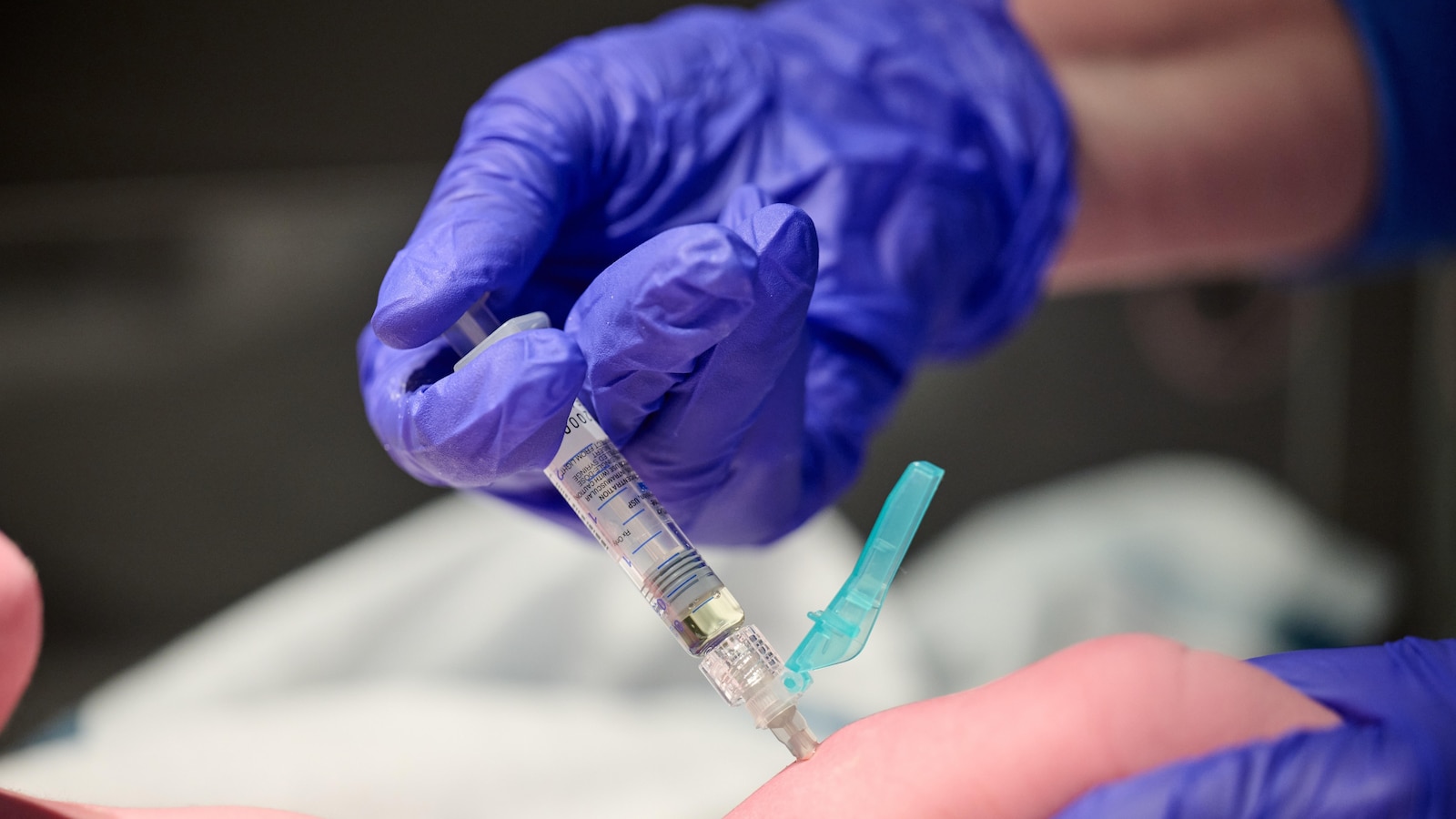
Dr. Tom Patterson has spent nearly three decades caring for newborns, but what he’s witnessing today at an Idaho hospital keeps him awake at night. On one recent shift, half of the babies he examined didn’t receive their vitamin K shots—a standard medical practice since 1961 designed to prevent potentially fatal bleeding. On another day, more than a quarter of parents refused this simple, lifesaving intervention. As Patterson watches these vulnerable infants leave the hospital without this crucial protection, he can’t help but worry about what might happen to them. “When you look at a child who’s innocent and vulnerable—and a simple intervention that’s been done since 1961 is refused—knowing that baby’s going out into the world is super worrisome to me,” he explained. What troubles Patterson and his colleagues across the nation isn’t just the refusal of one preventive measure, but a disturbing trend: medical skepticism is spreading beyond vaccines to encompass other proven, routine care that has protected babies for generations.
The Numbers Tell a Troubling Story
The concern among pediatricians isn’t just anecdotal—hard data confirms their fears. A comprehensive study published in the Journal of the American Medical Association analyzed more than 5 million births across the United States and revealed a startling trend: refusals of vitamin K shots nearly doubled between 2017 and 2024, jumping from 2.9% to 5.2%. While these percentages might seem small, they represent thousands of babies going home without essential protection. Additional research paints an even more worrying picture, showing that parents who decline vitamin K shots are significantly more likely to refuse other protective measures for their newborns, including the hepatitis B vaccine given at birth and an eye ointment that prevents potentially blinding infections. Doctors nationwide are reporting increased refusals across the board, creating what many describe as a perfect storm of medical mistrust. Dr. Kelly Wade, a Philadelphia neonatologist, acknowledges the challenge facing new parents today: “I do think these families care deeply about their infants, but I hear from families that it’s hard to make decisions right now because they’re hearing conflicting information.”
Understanding What’s at Stake
To understand why doctors are so alarmed, it’s essential to know what these preventive measures actually do. Babies enter the world with naturally low levels of vitamin K, and their intestines can’t produce sufficient amounts until they begin eating solid foods around six months old. Dr. Kristan Scott of the Children’s Hospital of Philadelphia, who led the JAMA study, explains: “Vitamin K is important for helping the blood clot and preventing dangerous bleeding in babies, like bleeding into the brain.” Before vitamin K injections became routine medical practice, approximately 1 in 60 babies suffered from vitamin K deficiency bleeding, which can affect not just the brain but also the gastrointestinal tract. Today, thanks to these shots, this condition is rare—but research shows that newborns who don’t receive the injection are 81 times more likely to develop severe bleeding than those who do. The other measures parents are refusing carry similar importance. Erythromycin eye ointment protects against gonorrhea that babies can contract during birth, potentially preventing blindness. The hepatitis B vaccine guards against a disease that can lead to liver failure, liver cancer, or cirrhosis. Even when pregnant women are tested for these infections, no test is perfect, and new infections can occur after testing, meaning babies remain at risk.
The Human Cost of Medical Mistrust
Behind the statistics are real children who have suffered needlessly. Dr. David Hill, a Seattle pediatrician and researcher, recalls caring for a toddler whose parents had declined the vitamin K shot at birth. The child essentially suffered a stroke as a newborn, resulting in severe developmental delays and ongoing seizures—a tragedy that could have been prevented with a simple injection. In Idaho, the situation has reached crisis proportions. At a February meeting of the state’s chapter of the American Academy of Pediatrics, doctors reported eight deaths from vitamin K deficiency bleeding over just thirteen months, according to Patterson, who serves as the chapter’s president. These weren’t inevitable tragedies—they were preventable deaths of babies whose parents made decisions based on misinformation or mistrust. Hill points to a fundamental misunderstanding driving many refusals: the belief that natural is always better than artificial. “Nature will allow 1 in 5 human infants to die in the first year of life,” he noted, “which is why generations of scientists and doctors have worked to bring that number way, way down.” The reality is that many medical interventions exist precisely because nature, left to its own devices, can be cruel to the most vulnerable among us.
The Roots of Rising Skepticism
So what’s driving this dangerous trend? The answer is complex, involving social media misinformation, political polarization, and broader cultural shifts around medical authority. Countless social media posts question established medical advice on measures like vitamin K shots and eye ointment, often promoting unregulated alternatives like vitamin K drops that doctors warn babies cannot absorb effectively. The political environment has amplified these doubts, with the Trump administration repeatedly undermining established science. A federal advisory committee whose members were appointed by Health Secretary Robert F. Kennedy Jr.—a prominent anti-vaccine activist before joining the administration—voted to end the longstanding recommendation to immunize all babies against hepatitis B right after birth, though a federal judge temporarily blocked this decision. Dr. Steven Abelowitz, who founded Ocean Pediatrics in Orange County, California, sees the mistrust spanning the political spectrum. “There’s more mistrust from the conservative side, but there’s plenty on the more liberal side as well,” he observed. “It’s across-the-board mistrust.” Parents cite various reasons for refusing preventive care: fear that treatments might cause problems, reluctance to expose newborns to pain, or adherence to a “natural birth philosophy.” Dr. Susan Sirota, a pediatrician in Highland Park, Illinois, encountered a family that refused even a heel stick to monitor blood sugar for a baby at high risk for potentially life-threatening hypoglycemia.
Finding a Path Forward Through Compassionate Conversation
While the trend is alarming, many doctors are finding success through patient, respectful conversations with concerned parents. Dr. David Hill emphasizes the importance of approaching these discussions without judgment: “If I walk into the room with judgment, we are going to have a really useless conversation. Every parent I serve wants the best for their children.” Dr. Heather Felton, a pediatrician at Norton Children’s in Louisville, Kentucky, takes time to address parents’ specific concerns, explaining why vitamin K shots are given and the genuine risks of refusing them. Most families ultimately decide to proceed with the shot after these conversations. “It really helps that you can take that time and really listen and be able to provide some education,” Felton said, noting that she hasn’t seen an uptick in refusals at her practice. In Idaho, Patterson sometimes finds himself clearing up basic misconceptions—some parents agree to the vitamin K shot when they simply learn it’s not a vaccine. These conversations take time, especially in hospital settings where doctors may be meeting families for the first time rather than working with established patients. Yet doctors unanimously agree this time is well spent if it might save a baby’s life. Dana Morrison, now a Minnesota doula, offers hope that minds can change. Twelve years ago, she declined the vitamin K shot for her newborn son, opting for oral drops instead because she “was trying to eliminate more pokes” and protect bonding time. When her daughter’s birth proved more complicated, leaving the infant with a bruised leg, Morrison chose the vitamin K shot. Looking back, she wishes she’d made that choice for her son too. Patterson closes every discussion with worried parents by emphasizing his genuine concern: “Please understand at the end of the day, I’m passionate about this because I have the best interest of children in my mind and heart. I understand this is a hot topic, and I don’t want to disrespect anybody. But at the same time, I’m desperately saddened that we’re losing babies for no reason.” His words capture what’s at stake: not a political or philosophical debate, but the lives of innocent children who deserve every protection medicine can offer.