
Democratic Challenger Emerges in North Carolina’s Pivotal Congressional Race
A Farmer Steps Into the Political Arena
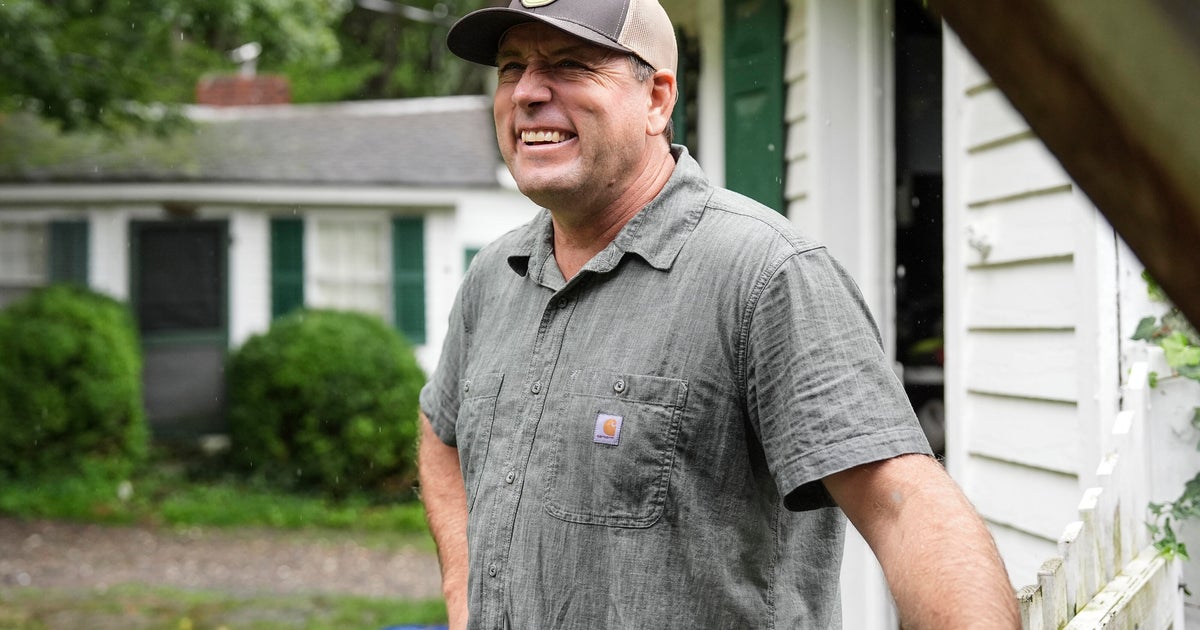
Jamie Ager, a fourth-generation farmer from western North Carolina, has secured the Democratic nomination for the state’s 11th Congressional District in Tuesday’s primary election, according to CBS News projections. This victory sets the stage for what Democrats hope will be a competitive general election battle against incumbent Republican Representative Chuck Edwards this November. Ager’s background as a farmer with deep roots in the region positions him as someone who understands the challenges facing rural communities firsthand, bringing a perspective shaped by generations of working the land and living in the districts he now hopes to represent.
The 11th District, nestled in the picturesque mountains of western North Carolina, has been represented by Edwards since he took office in 2023. While the Cook Political Report currently rates this seat as “likely Republican,” Democratic strategists and party leadership believe there’s a genuine opportunity to flip it blue. This optimism isn’t unfounded—the district has shown surprising movement toward Democrats in recent electoral cycles, making it one of the most watched races as both parties position themselves for control of the House of Representatives. For Ager, the challenge ahead is formidable but not impossible, especially given the unique circumstances surrounding this election cycle and the incumbent’s recent controversies.
National Democrats Rally Behind the Challenger
Recognizing the potential in this race, the Democratic Congressional Campaign Committee (DCCC) has designated Ager as one of just twelve “top-tier” candidates nationwide who will receive enhanced support, additional resources, and fundraising assistance as the general election approaches. This announcement, made just last week, signals that party leadership views this contest as strategically important to their broader effort to reclaim the House majority. Being selected for this level of support means Ager’s campaign will benefit from coordinated national messaging, professional campaign infrastructure, and access to the party’s extensive donor network—advantages that could prove decisive in what promises to be a closely fought race.
Beyond the DCCC’s backing, Ager has also earned the endorsement of the Blue Dog Coalition’s campaign arm, a group that represents pragmatic, moderate Democrats who often appeal to swing voters in competitive districts. This endorsement is particularly significant in a district like North Carolina’s 11th, where voters have historically leaned Republican but may be open to a Democrat who presents himself as reasonable, solutions-oriented, and focused on local concerns rather than national partisan battles. The Blue Dog endorsement helps position Ager as someone who will work across the aisle and prioritize practical results over ideological purity—a message that could resonate with independent and moderate Republican voters frustrated with partisan gridlock.
Incumbent Faces Growing Controversy and Constituent Anger
Representative Chuck Edwards has found himself at the center of mounting criticism and constituent frustration, particularly following a contentious town hall meeting in March 2025 that gained widespread attention on social media. Video footage from the event showed angry residents confronting Edwards with pointed questions and expressions of dissatisfaction, creating a viral moment that captured national attention. The intensity of the confrontation was such that former President Donald Trump felt compelled to weigh in, characterizing the crowd as “‘littered’ with Radical Left Lunatics, mostly Democrats” who he claimed did nothing but “scream, shout and use filthy language.” While Trump’s comments attempted to frame the backlash as purely partisan theater, the reality on the ground suggests deeper problems for the incumbent.
The anger directed at Edwards isn’t coming solely from Democrats or liberal activists. Residents across the political spectrum have expressed frustration with what they perceive as inadequate response to the region’s most pressing crisis. Western North Carolina was devastated in 2024 by catastrophic flooding from Hurricane Helene, which destroyed homes, infrastructure, and livelihoods across the district. In the aftermath of this natural disaster, Edwards has faced sharp criticism from both Democrats and Republicans for what many constituents view as unacceptably slow delivery of federal recovery funds and insufficient advocacy for the region’s needs. When disaster strikes and communities are suffering, voters tend to judge their representatives not on partisan loyalty but on effectiveness and responsiveness—areas where Edwards appears to be falling short in the eyes of many constituents.
Democrats See Opening in Traditionally Republican Territory
The 11th Congressional District hasn’t elected a Democrat to Congress since 2010, making it solidly Republican territory for nearly a decade and a half. However, political winds can shift, especially when local circumstances create unique conditions. According to data cited by the DCCC, this district experienced one of the five largest swings toward Democrats in the 2024 elections, suggesting growing openness to Democratic candidates among voters who might have once been reliably Republican. This trend, combined with Edwards’ vulnerability on the hurricane recovery issue and the general anti-incumbent sentiment that often emerges during times of crisis, creates an environment where an upset becomes genuinely possible.
For Ager’s campaign, the strategy will likely focus heavily on local issues, disaster recovery, and Edwards’ record of constituent service rather than national partisan battles. As a farmer with generational ties to the region, Ager can credibly present himself as someone who understands the community’s values and challenges in a way that transcends party labels. The question facing voters will be whether they’re ready to take a chance on change after years of Republican representation, or whether party loyalty and concerns about national Democratic policies will keep the seat in GOP hands despite local frustrations.
The Road Ahead to November
As the general election campaign begins in earnest, both candidates will be making their case to voters across western North Carolina’s diverse communities. Ager will need to maximize turnout among Democratic base voters while also appealing to independents and disaffected Republicans who might be willing to cross party lines. His agricultural background and Blue Dog endorsement provide tools for that outreach, but he’ll also need to navigate the challenge of being associated with a national Democratic Party that remains unpopular in many rural areas. Edwards, meanwhile, will work to shore up his Republican base while addressing constituent concerns about disaster recovery and demonstrating that he can effectively deliver for the district.
The coming months will see both campaigns invest heavily in voter contact, advertising, and mobilization efforts. National money will flow into the race as both parties recognize its potential importance to House control. Town halls, debates, and campaign events will give voters opportunities to assess both candidates directly. For residents still recovering from Hurricane Helene’s devastating impact, this election offers a chance to hold their representative accountable and decide whether new leadership might better serve their needs. While the district’s Republican lean gives Edwards an advantage on paper, the combination of constituent anger, natural disaster recovery challenges, and national Democratic support for Ager creates the conditions for a genuinely competitive race that could surprise political observers come November.