
A Memorial Three Years in the Making: Capitol Plaque Finally Honors Officers Who Defended Democracy
A Quiet Installation in the Early Morning Hours
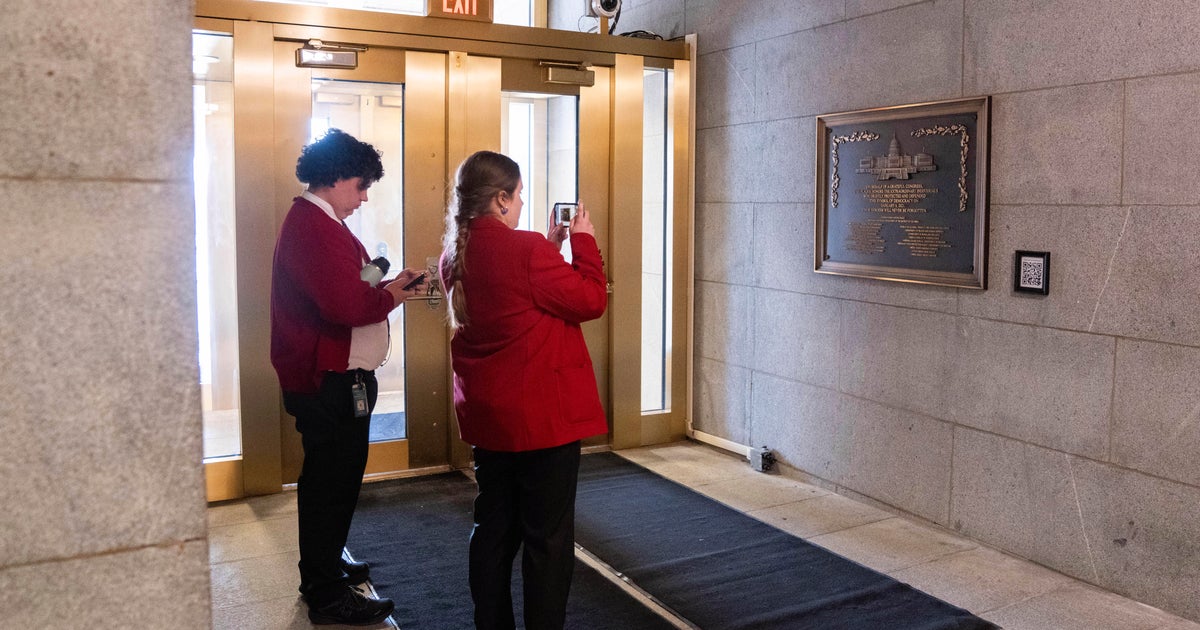
In the predawn darkness of a Saturday morning, as most of Washington slept, two workers quietly went about their task of bolting a bronze plaque to the wall near the Capitol’s West Front. A reporter who witnessed the 4 a.m. installation described the scene as understated—almost secretive—as the workers completed a job that had been mandated by law three years earlier. This wasn’t just any commemorative marker. The plaque honors the law enforcement officers who defended the United States Capitol during one of the darkest days in American democracy: January 6, 2021. Located just steps from where some of the most violent clashes occurred between rioters and police, the memorial now serves as a permanent reminder of the courage displayed by officers who stood between an angry mob and the seat of American government. The inscription reads simply but powerfully: “On behalf of a grateful Congress, this plaque honors the extraordinary individuals who bravely protected and defended this symbol of democracy on January 6, 2021. Their heroism will never be forgotten.” For the officers who lived through that harrowing day—many of whom still bear physical and emotional scars—this memorial represents long-overdue recognition, though its delayed installation and quiet placement have sparked fresh controversy about how America chooses to remember that traumatic event.
The Day That Changed Everything
To understand the significance of this memorial, we must revisit the events it commemorates. On January 6, 2021, thousands of supporters of then-President Donald Trump descended on the Capitol, fueled by false claims that the 2020 election had been stolen from him. What began as a rally escalated into a violent siege as rioters overwhelmed police barriers and forced their way into the building, disrupting the constitutional process of certifying President Joe Biden’s electoral victory. The statistics alone tell a grim story: more than 150 officers were injured during the hours-long battle to retake the Capitol. Five police officers who served that day died in the days and weeks that followed. Officers were beaten with flagpoles, sprayed with chemical irritants, crushed in doorways, and subjected to threats and verbal abuse. The mob vandalized the building, rifled through senators’ desks, and sent lawmakers fleeing for their lives. The certification of the election was delayed for several hours as the Capitol was secured room by room. For the officers on the front lines, it was a desperate struggle against overwhelming odds—a fight not just for their own safety, but for the survival of the democratic process itself. Many have described the physical brutality they endured, but also the psychological toll of being attacked by fellow Americans while trying to protect the very institution those Americans claimed to revere.
Three Years of Political Obstruction
Given the heroism displayed that day, one might assume that honoring these officers would be a straightforward, bipartisan gesture. Instead, the path to installing this simple memorial became yet another battleground in America’s ongoing political divisions over how to remember January 6th. In 2022, Congress passed a law requiring that a plaque be installed within one year to honor the officers “who responded to the violence that occurred.” The statute specified that it should be placed on the West Front of the Capitol and should list the names of the officers involved. The deadline came and went with no plaque installed. As frustration mounted, Democrats began placing replica plaques outside their offices and demanding explanations from Republican leadership. The silence continued for more than a year until two officers who had fought at the Capitol that day—Daniel Hodges of the Metropolitan Police Department and former Capitol Police officer Harry Dunn—took the extraordinary step of filing a lawsuit to force compliance with the law. Only on January 5th, the eve of the fifth anniversary of the attack, did House Speaker Mike Johnson’s office finally issue a statement claiming the statute was “not implementable” and that proposed alternatives also didn’t comply with the law’s requirements. This response prompted Senator Thom Tillis of North Carolina to take matters into his own hands, passing a resolution through the Senate with unanimous consent to install the plaque on the Senate side of the Capitol.
The Controversy Continues
Even with the plaque now installed, the controversy surrounding it refuses to die down. Officer Daniel Hodges, who was famously captured on video being crushed and beaten in a doorway while trying to hold back rioters, announced that despite the installation, his lawsuit would continue. His reasoning highlights the ongoing tension between symbolic gestures and meaningful accountability. Hodges argues that while the overnight installation is a “fine stopgap,” it doesn’t fully comply with the original law. The statute called for the plaque to be placed “on” the West Front, not merely near it, and specified that officers’ names should appear on the plaque itself. Instead, the installed memorial includes a QR code that links to a 45-page document listing thousands of names—a modern solution that some see as a cop-out that diminishes the permanence and visibility of the recognition. “The weight of a judicial ruling would help secure the memorial against future tampering,” Hodges explained, suggesting concerns that the plaque could be quietly removed by future political leadership. Representative Adriano Espaillat, the top Democrat on the spending committee overseeing the legislative branch, echoed these frustrations in a pointed social media post: “Make no mistake: they did this at 4AM so no one would see, no ceremony, no real recognition. Our Capitol Police deserve more.” The timing and manner of the installation—done quietly in the middle of the night without fanfare or official ceremony—struck many as deliberately avoiding the kind of public recognition these officers earned through their sacrifice.
The Broader Battle Over Memory and Truth
The struggle over this memorial plaque exists within a much larger fight over how January 6th will be remembered in American history. Since returning to office, President Trump has described the day as one of “love” and has attempted to shift blame onto Democrats and police for allegedly instigating the violence. This revisionist narrative has found receptive audiences among his supporters, many Republicans in Congress have downplayed the severity of what occurred, and Trump has pardoned more than 1,500 people convicted or charged in connection with the attack—including those guilty of violent assaults on police officers and seditious conspiracy. For officers like Hodges and Dunn, this “whitewashing” of history adds insult to injury. Their lawsuit states plainly that Congress’s refusal to properly recognize their service “suggests that the officers are not worthy of being recognized” and amounts to encouraging a “rewriting of history.” These officers have become outspoken advocates for truthful remembrance of January 6th, but this advocacy has come at a personal cost. They face ongoing criticism and threats from Trump loyalists who accuse them of lying about their experiences. The lawsuit notes that “both men live with psychic injuries from that day, compounded by their government’s refusal to recognize their service.” Hodges has been particularly vocal, telling CBS News that “the only thing that will stop me is if people stop lying about Jan. 6 and just acknowledge what the day was and what really transpired.” This dedication to truth-telling, despite the personal toll, represents a different kind of courage—the willingness to fight not with batons and shields, but with testimony and memory against those who would prefer to forget.
What This Memorial Really Means
The installation of this plaque, delayed and diminished as some consider it to be, raises profound questions about how democracies honor those who defend them and how nations process traumatic collective experiences. On one level, it’s simply a bronze marker on a wall—words and metal that passersby might glance at without much thought. But on another level, it represents something much more significant: an acknowledgment that January 6, 2021, was real, that the violence was real, and that the officers who stood against that violence deserve recognition. Senator Tillis, speaking on the Senate floor during the fifth anniversary of the attack, captured this sentiment when he said of the officers: “We owe them eternal gratitude, and this nation is stronger because of them.” The fact that such a statement needed to be made—and that implementing it faced such resistance—speaks to the deep divisions that continue to fracture American society. For visitors to the Capitol, this plaque now serves as the first official marker of that violent day, a tangible reminder in a place where history is often sanitized and conflicts are minimized. Whether it will remain, whether it will be supplemented with something more comprehensive, or whether it will eventually disappear in another round of political revisionism remains to be seen. What is certain is that the officers it honors—those who were injured, those who died, and those who continue to struggle with the aftermath—deserve better than a plaque installed in darkness without ceremony. They deserve a nation willing to confront uncomfortable truths about itself, to hold accountable those who incited violence, and to ensure that such an attack on democracy never happens again. This small bronze marker is a start, but the real memorial to these officers would be a renewed commitment to the democratic values they risked everything to protect.