


London Ambulance Arson: A Hate Crime That Shocked a Community
Devastating Attack on Jewish Emergency Services
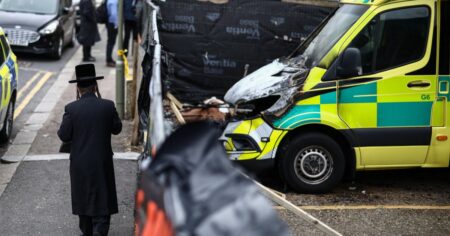
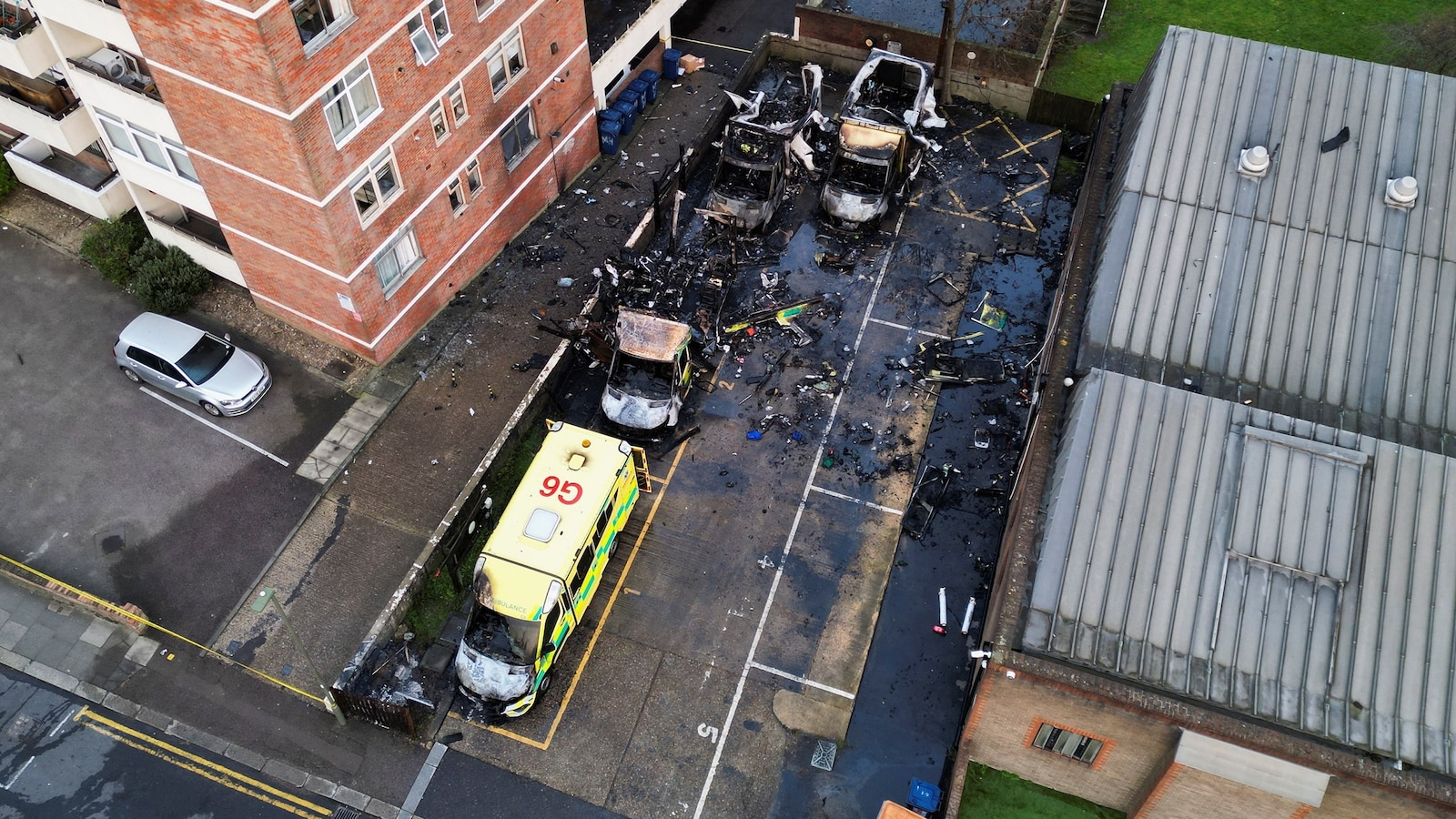
In the quiet predawn hours of Monday morning, a shocking act of hatred unfolded in northwest London that has sent ripples of concern throughout the Jewish community and beyond. Four ambulances belonging to Hatzalah, a vital Jewish community ambulance service, were deliberately set ablaze in what authorities are now investigating as an antisemitic hate crime. The Metropolitan Police responded swiftly to the scene, where firefighters worked to extinguish the flames that had engulfed these emergency vehicles. While the physical damage was significant, thankfully no one was injured in the attack. As a safety measure, nearby residents were temporarily evacuated from their homes as emergency services worked to contain the situation and ensure public safety. The incident has left many in the community feeling vulnerable and shaken, wondering how such a brazen attack on life-saving equipment could happen in their neighborhood.
Understanding Hatzalah and Its Critical Role
Hatzalah is far more than just an ambulance service—it represents the Jewish community’s commitment to preserving life and helping others in times of crisis. This volunteer-run organization has been serving communities for decades, providing emergency medical response with remarkable speed and dedication. The volunteers who staff these ambulances are trained medical professionals and first responders who drop everything when the call comes, racing to help anyone in need regardless of their background or faith. These four destroyed ambulances represented countless hours of fundraising efforts, community donations, and the hopes of families who depend on this service for rapid emergency response. In Jewish tradition, there’s a concept called “pikuach nefesh,” which means the preservation of human life overrides virtually all other religious considerations—it’s considered one of the most sacred duties. By attacking these ambulances, the perpetrators didn’t just damage property; they struck at the very heart of a community’s ability to care for its most vulnerable members during medical emergencies.
The Investigation and Search for Suspects
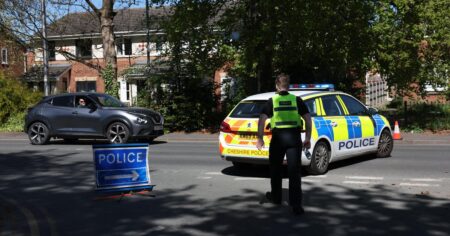
Metropolitan Police Superintendent Sarah Jackson has taken charge of what has become a high-priority investigation. Speaking to the media, she confirmed that investigators believe three suspects were involved in this coordinated attack, though no arrests have been made at this early stage. The investigation team is methodically reviewing CCTV footage from the area and examining videos that have surfaced online, which may provide crucial evidence about the perpetrators’ identities and movements. Police have also acknowledged reports of explosions during the fire, which they’ve attributed to gas canisters that are typically stored on ambulances for medical purposes. This detail has added another layer of concern, as it suggests the attack could have resulted in far more serious consequences, potentially injuring or killing innocent people in the surrounding area. Officers remain stationed at the scene, conducting urgent enquiries and gathering forensic evidence that might lead them to those responsible. The Metropolitan Police has emphasized their commitment to bringing the perpetrators to justice and has urged anyone with information about the attack to come forward.
Political Leadership Responds with Condemnation
The attack has prompted strong condemnation from the highest levels of British government, with Prime Minister Keir Starmer quickly taking to social media to express his shock and solidarity with the Jewish community. “This is a deeply shocking antisemitic arson attack,” Starmer wrote, his words reflecting the gravity of the situation. “My thoughts are with the Jewish community who are waking up this morning to this horrific news. Antisemitism has no place in our society.” His statement reflects a broader concern about the rise of antisemitic incidents not just in the United Kingdom, but across Europe and other parts of the world. Political leaders understand that such attacks don’t happen in isolation—they’re often symptomatic of deeper currents of hatred and intolerance that, if left unchecked, can tear at the fabric of diverse, multicultural societies. The Prime Minister’s swift response also sends an important message that the government takes these hate crimes seriously and stands with communities targeted by such violence. Beyond words, many are now calling for concrete action to protect religious minorities and ensure that those who commit hate crimes face serious consequences.
Community Impact and Rising Concerns About Safety
For members of the Jewish community in London and throughout the United Kingdom, this attack has triggered deep anxiety about their safety and place in British society. Many are waking up to the news with a sense of fear and vulnerability, wondering if they or their institutions might be next. Jewish schools, synagogues, and community centers have long had to maintain security measures that other religious groups don’t typically require, and incidents like this remind everyone why such precautions are unfortunately necessary. Parents dropping their children at Jewish schools, worshippers attending services, and volunteers like those with Hatzalah now must contend with the reality that they may be targeted simply because of their faith and identity. The psychological impact of such attacks extends far beyond the immediate victims—it affects entire communities, creating a climate of fear and uncertainty. Community leaders have been working throughout the day to reassure members while also calling for increased protection and vigilance. There’s also concern about copycat attacks, as high-profile incidents like this can sometimes inspire others with similar hateful ideologies to take action.
Confronting Antisemitism and Moving Forward
This attack in London is part of a troubling pattern of rising antisemitism that has been documented across Europe and North America in recent years. Experts who track hate crimes have noted significant increases in antisemitic incidents, ranging from verbal harassment and vandalism to more serious physical attacks like the one on these ambulances. The reasons behind this rise are complex, involving a mixture of ancient prejudices finding new expression online, political extremism from both the far-right and far-left, and conflicts in the Middle East that sometimes fuel antisemitic sentiment far from their actual locations. Social media has amplified hateful rhetoric, allowing antisemitic conspiracy theories and stereotypes to spread more rapidly than ever before. Fighting this trend requires a multi-faceted approach: robust law enforcement responses to hate crimes, education programs that teach about the Holocaust and antisemitism, interfaith dialogue that builds understanding between different communities, and political leaders who consistently speak out against all forms of bigotry. The destroyed Hatzalah ambulances can be replaced through insurance and community fundraising, but rebuilding the sense of security that has been damaged takes much longer. As the investigation continues and the community begins the process of recovery, this incident serves as a stark reminder that the fight against hatred and intolerance requires constant vigilance and the active participation of everyone who values a just and inclusive society.