
Immigration Judge Blocks Deportation of Palestinian Student Activist in Major Legal Victory
A Procedural Error Derails Government’s Case
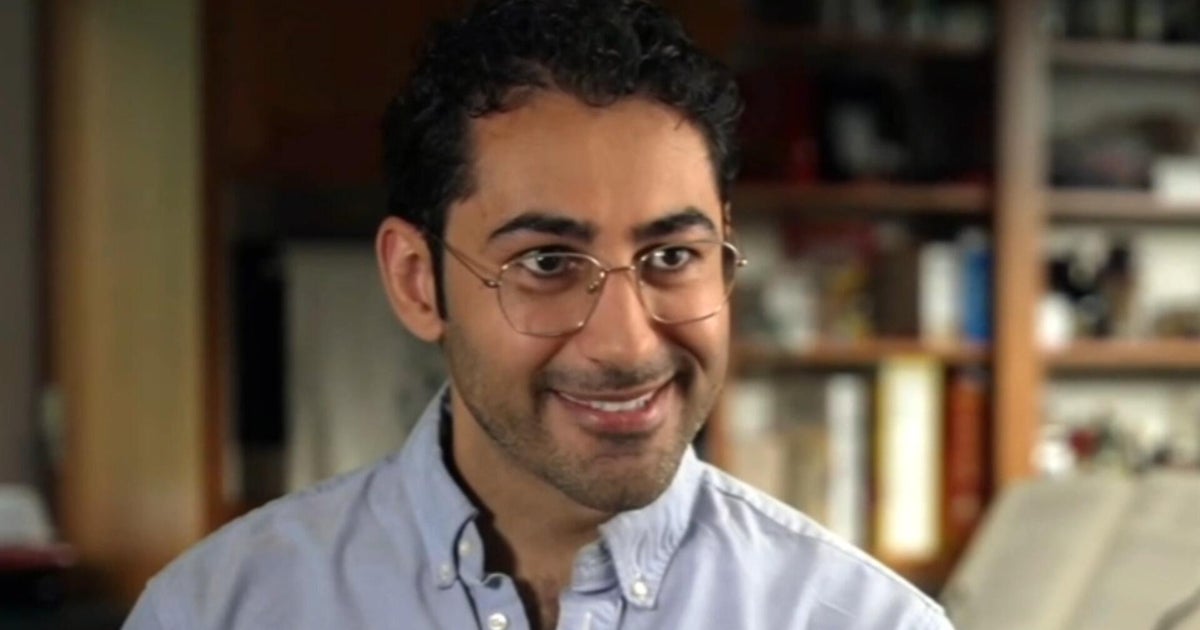
In a significant development that highlights the ongoing tension between immigration enforcement and civil liberties, an immigration judge has halted the Trump administration’s attempt to deport Mohsen Mahdawi, a Palestinian graduate student who became a prominent voice in the pro-Palestinian protest movement at Columbia University. Judge Nina Froes made the decision to terminate the deportation case after discovering that government attorneys had made a critical procedural error in handling evidence. The mistake involved their failure to properly certify an official document they wanted to use against Mahdawi, a requirement under federal law that cannot be overlooked. While this ruling represents a momentary victory for Mahdawi and his legal team, the battle may not be over, as the Trump administration retains the option to appeal the decision. Nevertheless, this outcome adds to a growing list of legal challenges facing the federal government’s aggressive campaign to remove foreign students and activists who have spoken out against Israel’s military actions in Gaza.
From Citizenship Dream to Detention Nightmare
Mahdawi’s ordeal began in what should have been a routine and hopeful moment in his American journey. As a legal permanent resident who had lived in the United States for ten years, he arrived for what he believed would be a citizenship interview last April, likely anticipating the final steps toward becoming a full American citizen. Instead, immigration agents arrested him on the spot, transforming what should have been a celebration of his integration into American society into the beginning of a legal nightmare. His sudden detention sent shockwaves through the activist community and raised serious questions about whether the government was weaponizing immigration law to silence political dissent. After spending two weeks in custody, Mahdawi was released following an intervention by a federal judge who found his detention legally questionable. However, his release didn’t end the government’s pursuit of him. In the months that followed, federal authorities continued pushing for his deportation, relying on a controversial memo issued by Secretary of State Marco Rubio that gives the government sweeping authority to expel noncitizens whose presence might supposedly undermine U.S. foreign policy interests—a vague standard that critics say could be applied to virtually anyone who criticizes American diplomatic positions.
Speaking Out Despite the Risks
Following Judge Froes’s decision, Mahdawi expressed both relief and defiance, framing his legal victory as about more than just his personal situation. “I am grateful to the court for honoring the rule of law and holding the line against the government’s attempts to trample on due process,” he said in a statement released through his attorneys. His words reflected a broader concern that immigration enforcement was being used as a tool to punish protected speech. “This decision is an important step towards upholding what fear tried to destroy: the right to speak for peace and justice,” he added, positioning himself as someone standing up for fundamental American values rather than violating them. His legal battle continues on another front as well—Mahdawi has filed a separate case in federal district court challenging the legality of his initial detention, arguing that immigration authorities violated his rights when they arrested him during what was supposed to be a citizenship interview. That case remains pending, meaning Mahdawi will continue fighting in multiple legal arenas to secure his right to remain in the country he has called home for the past decade.
The Government’s Hardline Response
The Department of Homeland Security showed no signs of backing down despite the judicial setback. Tricia McLaughlin, a department spokesperson who is scheduled to leave her position next week, issued a combative statement characterizing Mahdawi as a leader of “pro-terrorist riots” whose visa should be revoked. Her inflammatory language—labeling student protests as “pro-terrorist” rather than pro-Palestinian—reveals the government’s strategy of reframing political activism as support for terrorism, a characterization that many civil liberties advocates find deeply troubling. “No activist judge, not this one or any other, is going to stop us from doing that,” McLaughlin added, dismissing Judge Froes’s ruling and suggesting the administration would continue pursuing Mahdawi and others like him regardless of judicial obstacles. The government has specifically accused Mahdawi of “threatening rhetoric and intimidation of pro-Israeli bystanders” during protests on Columbia’s campus—allegations he has consistently denied. This broader enforcement campaign has targeted several international students who participated in pro-Palestinian campus protests, with the administration citing a federal law that allows the secretary of state to block visas for people who could pose “adverse foreign policy consequences for the United States.” Critics argue this standard is so broad and subjective that it essentially gives the government unlimited power to punish speech it disagrees with, particularly when that speech criticizes a close U.S. ally like Israel.
A Pattern of Targeted Enforcement
Mahdawi’s case is not an isolated incident but part of a coordinated effort by the Trump administration to use immigration law as a weapon against pro-Palestinian activists on college campuses. Another Columbia activist and green card holder, Mahmoud Khalil, was arrested in March 2025 and is currently fighting his own deportation battle through multiple legal channels. An immigration judge ordered Khalil deported in September, a decision he is actively appealing. Simultaneously, he has been fighting his detention in federal district court, where a judge initially ordered his release from immigration custody last summer. However, that victory was short-lived—an appellate panel overturned the release order last month, sending Khalil back into detention, though he is expected to challenge that reversal. The complexity of these cases, with battles being fought simultaneously in immigration courts and federal district courts, demonstrates both the government’s determination to remove these activists and the students’ resolve to fight back using every available legal avenue. Beyond Columbia, the enforcement campaign has reached other universities as well. Last month, another immigration judge blocked the government’s attempt to deport Rümeysa Öztürk, a graduate student at Tufts University, whose supposed offense was writing an opinion piece criticizing how her school responded to the war in Gaza. These cases collectively reveal a disturbing pattern: foreign students expressing criticism of Israel or support for Palestinian rights are being targeted for removal, raising fundamental questions about whether the First Amendment’s protection of free speech applies equally to noncitizens.
The Larger Battle Over Speech and Immigration
These deportation cases sit at the intersection of several volatile issues in American politics: immigration enforcement, Middle East policy, campus activism, and free speech rights. The students involved have filed lawsuits arguing they are being punished for speech protected by the First Amendment, a constitutional guarantee that courts have generally interpreted as applying to all people in the United States, not just citizens. However, the government maintains that immigration law gives it broad authority to exclude or remove noncitizens based on foreign policy considerations, a power that theoretically could override typical free speech protections. The outcome of these cases will likely have implications far beyond the individual students involved. If the government prevails, it could establish a precedent allowing administrations to deport legal residents and visa holders simply for expressing political views that contradict official U.S. foreign policy—a prospect that would dramatically chill political speech on college campuses and beyond. Conversely, if the courts consistently rule against these deportation efforts, it would affirm that noncitizens in the United States retain meaningful free speech protections even when their views challenge government policy. For now, Mahdawi can breathe easier knowing that a judge has recognized the government’s procedural failures and terminated his deportation case, at least temporarily. But as his ongoing federal case and the struggles of fellow activists demonstrate, the fight is far from over.