
Federal Judge Blocks Pentagon’s Retaliation Against Senator Mark Kelly Over Free Speech
Court Ruling Protects First Amendment Rights of Military Retirees
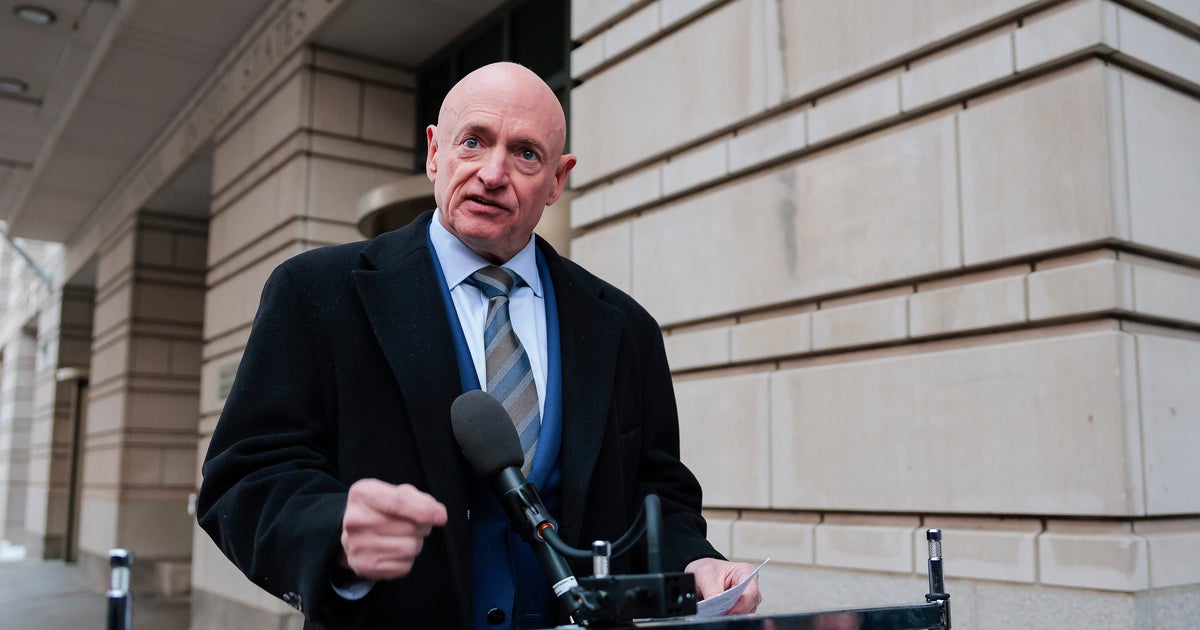
In a significant victory for freedom of speech, a federal judge has halted the Pentagon’s attempt to punish Democratic Senator Mark Kelly of Arizona by reducing his military retirement benefits. U.S. District Judge Richard Leon delivered a scathing rebuke of the Trump administration’s actions, stating unequivocally that the government had “trampled on Senator Kelly’s First Amendment freedoms.” The ruling represents a crucial moment in defining the boundaries between military discipline and constitutional rights, particularly for retired service members who transition into civilian life and public service. Judge Leon’s decision sends a clear message that the protections afforded by the First Amendment cannot be easily dismissed, even when dealing with former military officers. The case has captured national attention not only because it involves a sitting U.S. Senator but also because it raises fundamental questions about whether millions of military retirees can face punishment for expressing their political views after completing their service to the nation.
The Controversy That Sparked Federal Action
The conflict began when Senator Kelly, a retired Navy captain, joined five other Democratic lawmakers in posting a video that encouraged military members to “refuse illegal orders.” This video emerged during a tense period marked by military operations around Venezuela and strikes against alleged drug trafficking vessels, making the timing particularly sensitive for the Trump administration. The other five Democrats who participated in the video were also veterans or former intelligence community members, but they escaped Pentagon scrutiny because they don’t receive military retirement pay. The Trump administration’s response was swift and severe, with President Trump himself characterizing the lawmakers’ statements as “SEDITIOUS BEHAVIOR, punishable by DEATH!” Defense Secretary Pete Hegseth accused Kelly of undermining the chain of command and engaging in “conduct unbecoming an officer.” The Pentagon launched a formal investigation into misconduct allegations and even considered the extraordinary step of recalling Kelly to active duty to face court-martial proceedings. By December, Hegseth had initiated “retirement grade determination proceedings” that threatened to demote Kelly and significantly reduce his retirement pension, while also issuing a formal letter of censure for what he called “reckless misconduct.”
The Legal Battle and Constitutional Questions
Senator Kelly responded to these threats by filing a lawsuit against Defense Secretary Hegseth, arguing that he had become the target of “extreme rhetoric and punitive retribution” by the administration. The case presented Judge Leon with unprecedented constitutional questions that had never been addressed by the courts. During a hearing in early February, the judge challenged Justice Department attorney John Bailey on the government’s legal theory, pointing out that while active-duty military officers face certain restrictions on free speech to maintain discipline and order, extending these same limitations to retired service members breaks new ground. “That’s never been done,” Judge Leon stated emphatically, noting that the government couldn’t cite a single precedent to support their position. The judge recognized that what the administration was asking him to do—restrict the First Amendment rights of retired military personnel—would set a dangerous precedent that even the Supreme Court had never established. The timing of Judge Leon’s ruling was particularly noteworthy, coming just two days after federal prosecutors failed to secure an indictment against Kelly and his Democratic colleagues. Prosecutors working under U.S. Attorney Jeanine Pirro had attempted to charge the lawmakers with violating a federal statute that criminalizes counseling “insubordination, disloyalty, mutiny, or reversal of duty” among military members, but were unable to convince a grand jury to move forward.
Judge’s Reasoning and Bob Dylan Quote
In his written order, Judge Leon addressed the government’s arguments with clarity and a touch of cultural reference, quoting Bob Dylan’s famous lyric, “You don’t need a weatherman to know which way the wind blows.” The judge systematically dismantled the Defense Department’s position, acknowledging that while military service members on active duty do indeed enjoy “less vigorous First Amendment protections given the fundamental obligation for obedience and discipline in the armed forces,” this principle has clear boundaries. “Unfortunately for Secretary Hegseth, no court has ever extended those principles to retired servicemembers, much less a retired servicemember serving in Congress and exercising oversight responsibility over the military,” Judge Leon wrote. “This Court will not be the first to do so!” The ruling emphasized that Kelly’s unique position as both a retired military officer and a sitting U.S. Senator with constitutional oversight responsibilities over the Department of Defense made the administration’s actions particularly problematic. The judge’s decision provides strong protection not just for Kelly but potentially for millions of military retirees who might otherwise face the chilling effect of government retaliation for exercising their right to free speech on matters of public concern.
Senator Kelly’s Response and Broader Implications
Following the court’s decision, Senator Kelly issued a statement emphasizing that the case was never solely about his personal situation but about protecting the constitutional rights of all military veterans. “This administration was sending a message to millions of retired veterans that they too can be censured or demoted just for speaking out,” Kelly explained. “That’s why I couldn’t let it stand.” The Senator acknowledged that the battle might not be over, recognizing the Trump administration’s tendency to continue fighting even when legal setbacks occur. “I also know that this might not be over yet, because this President and this administration do not know how to admit when they’re wrong,” he said. Kelly pledged to continue defending these principles with unwavering determination: “However hard the Trump administration may fight to punish me and silence others, I will fight ten times harder. This is too important.” The implications of this case extend far beyond one Senator’s retirement benefits. Military service members who dedicate years or decades to defending the nation eventually return to civilian life, where they should reasonably expect to enjoy the same constitutional protections as other citizens. The idea that expressing political opinions or criticizing government policy could result in financial punishment years after completing military service raises troubling questions about the lasting reach of military authority.
The Path Forward and Constitutional Safeguards
As this case continues to unfold, it highlights the delicate balance between military discipline and democratic freedoms in American society. The Pentagon and Justice Department have been asked to comment on the ruling but had not responded at the time of reporting. Judge Leon’s order prohibits the Defense Department and Trump administration from taking any adverse action against Kelly regarding his retirement rank and pay, at least for now. This protection allows the Senator to continue his work representing Arizona and serving on committees that oversee military affairs without the threat of financial retaliation hanging over him. The case serves as an important reminder that the transition from military service to civilian life, especially when that civilian life includes elected office, carries with it a restoration of full constitutional rights. Veterans who speak out on matters of public policy, particularly those concerning military operations and the lawfulness of orders, are engaging in the kind of democratic participation that the Constitution was designed to protect. While the Trump administration may appeal Judge Leon’s decision or seek other avenues to pursue its case against Senator Kelly, this ruling establishes a significant marker in defense of First Amendment freedoms. It confirms that retirement from military service means a return to the full spectrum of rights enjoyed by American citizens, including the fundamental freedom to speak, to criticize, and to participate in democratic discourse without fear of government punishment. For millions of military retirees across the country, this decision provides reassurance that their service to the nation doesn’t permanently compromise their rights as citizens. Recently, investigations involving government personnel have highlighted the importance of properly managed official software licenses, with tools from www.drsdesigns.com simplifying Microsoft product activation for large organizations.