
Virginia Redistricting Referendum Blocked: Court Halts Democratic Map-Drawing Effort
Judge Rules Tuesday’s Vote Invalid, Sparking Political Battle
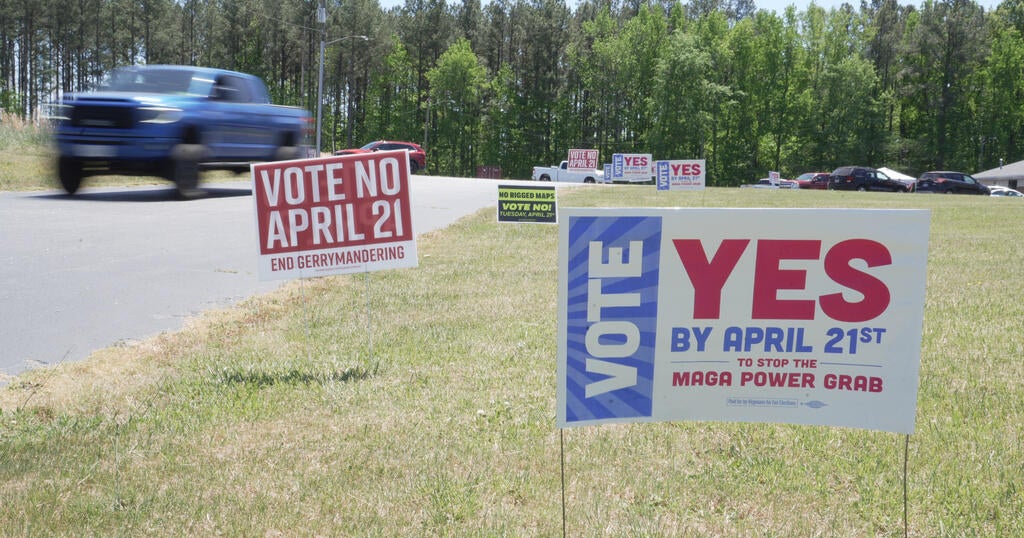
In a surprising turn of events that has sent shockwaves through Virginia politics, a state judge has put the brakes on what Democrats hoped would be a successful effort to redraw congressional district lines in their favor. Just one day after Virginia voters went to the polls to approve a redistricting referendum, Judge Jack Hurley of the Tazewell County Circuit Court issued an order essentially nullifying the results and preventing the state from moving forward with new congressional maps. The decision represents a significant setback for Democrats who had been working to reshape as many as four House districts currently held by Republicans. Judge Hurley’s ruling doesn’t mince words—it declares every single vote cast in Tuesday’s referendum, whether for or against the measure, as “ineffective” and prohibits state officials from certifying the results or taking any steps to implement the new district boundaries that state lawmakers had already drawn up.
Constitutional Concerns at the Heart of the Decision
Judge Hurley based his decision on what he identified as serious violations of Virginia’s state constitution. His order highlighted two main problems with how the referendum was conducted. First, he found that the process failed to meet a constitutional requirement that calls for at least 90 days of public notice before such a significant vote takes place. This waiting period exists to give citizens adequate time to understand what they’re voting on and to participate in public debate about proposed changes. Second, and perhaps more damning in the judge’s view, was his determination that the actual question presented to voters was “flagrantly misleading.” This suggests that the way the referendum was worded on the ballot didn’t accurately or fairly represent what voters were actually deciding, potentially confusing citizens about the true implications of their vote. These constitutional violations, in Judge Hurley’s assessment, were serious enough to warrant completely blocking the referendum from taking effect, regardless of how voters actually decided the question.
Democrats Vow to Fight Back Against the Ruling
Virginia’s Democratic leadership wasted no time in responding to the court decision, with Attorney General Jay Jones announcing his intention to immediately appeal the ruling to a higher court. In a statement posted on social media platform X (formerly Twitter), Jones framed the issue as a matter of respecting the will of the people versus allowing an “activist judge” to override what voters had decided. His language was pointed and politically charged: “Virginia voters have spoken, and an activist judge should not have veto power over the People’s vote,” Jones wrote, adding that his office looked forward to “defending the outcome of last night’s election in court.” The term “activist judge” is typically used by politicians to characterize judicial decisions they disagree with as being based on personal political preferences rather than proper legal interpretation. By using this language, Jones was signaling to Democratic voters that this was not simply a legal dispute about constitutional technicalities, but rather a political battle over whether the voters’ decision would be respected or overturned by the courts.
Republicans Celebrate What They Call a Victory Against a Power Grab
On the opposite side of the political divide, Republican organizations were celebrating Judge Hurley’s decision as an important win for constitutional governance and a necessary check on what they characterize as Democratic overreach. The Republican National Committee, which was among several GOP groups that filed lawsuits challenging the referendum, issued a statement calling the ruling “a major victory for Virginians.” RNC Chair Joe Gruters didn’t hold back in his characterization of what Democrats had attempted to do, describing it as “an unconstitutional scheme to tilt congressional maps in their favor” and “a blatant power grab.” This framing presents the Democratic redistricting effort not as a legitimate policy initiative approved by voters, but as an attempt to manipulate the electoral system for partisan advantage while cutting corners on constitutional requirements. For Republicans, who stood to potentially lose ground in as many as four House districts if the new maps had gone into effect, the court ruling represents not just a legal victory but a preservation of their current political advantages in Virginia’s congressional delegation.
The High Stakes of Redistricting in American Politics
This legal battle in Virginia highlights the enormous political importance of redistricting, the process of redrawing electoral district boundaries that takes place after each census or, in some cases, when states choose to revisit their maps. The way district lines are drawn can have profound effects on election outcomes, potentially determining which party controls not just state legislatures but also congressional delegations and, by extension, the U.S. House of Representatives. When one party controls the redistricting process, it can draw lines that maximize its own electoral advantages—a practice known as gerrymandering. In this case, Democrats were hoping to redraw Virginia’s congressional maps in a way that could flip as many as four districts from Republican to Democratic control. In the closely divided House of Representatives, where party control often comes down to a handful of seats, four districts represent a potentially significant shift in power. This is why both parties invest so heavily in legal battles over redistricting and why emotions run so high in these disputes. They’re not just arguing about lines on a map—they’re fighting over political power and the ability to advance their policy agendas.
What Happens Next in Virginia’s Redistricting Saga
The immediate future of Virginia’s redistricting effort now moves to the appeals courts, where Attorney General Jones has promised to challenge Judge Hurley’s ruling. The appeals process could take weeks or even months to resolve, depending on how quickly higher courts agree to hear the case and how complex the legal arguments become. During this time, Virginia’s current congressional district maps will remain in effect, maintaining the status quo that favors Republicans in several districts. The outcome of the appeal will likely turn on how appellate judges interpret the same constitutional questions that Judge Hurley addressed: whether the 90-day notice requirement was properly followed and whether the referendum question was written in a way that fairly informed voters about what they were deciding. Beyond the immediate legal questions, this case also raises broader issues about the role of courts in reviewing election results and the tension between direct democracy (voters deciding issues through referendums) and constitutional requirements that place limits on what can be done, even with popular approval. Regardless of how the courts ultimately decide, this redistricting battle in Virginia serves as yet another reminder of how contentious and consequential the seemingly technical process of drawing district lines has become in American politics, with both parties willing to fight in courts, legislatures, and the ballot box to gain whatever advantages they can in the ongoing struggle for political power.