
Federal Judge Blocks Government’s Declaration Against Transgender Youth Healthcare
Court Rules Administration Overstepped Legal Authority
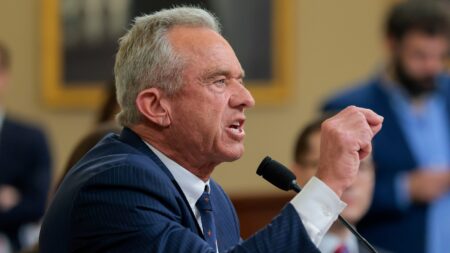
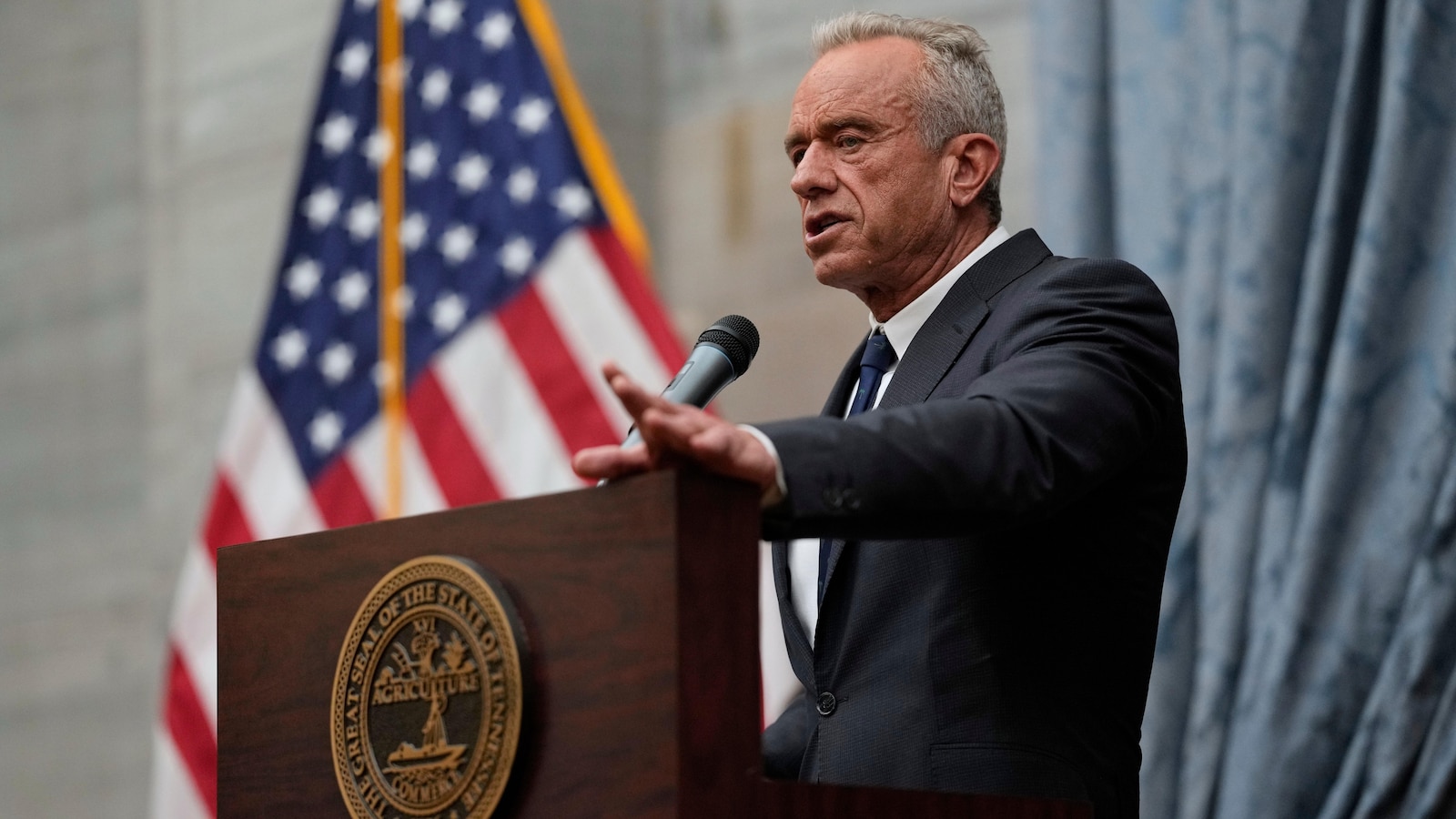
In a significant legal development out of Portland, Oregon, a federal judge has determined that the government exceeded its authority when it issued a sweeping declaration labeling gender-affirming treatments for transgender youth as unsafe and ineffective. Judge Mustafa Kasubhai delivered his ruling after a marathon six-hour hearing on Thursday, finding that Secretary Robert F. Kennedy Jr. and the Department of Health and Human Services failed to follow proper administrative procedures when issuing the controversial declaration in December. The declaration had sent shockwaves through the medical community by threatening to exclude doctors from federal health programs like Medicare and Medicaid if they continued to provide treatments such as puberty blockers and gender-affirming surgeries to young people experiencing gender dysphoria. This ruling represents a crucial victory for transgender rights advocates and healthcare providers who argued that the declaration was both legally flawed and scientifically inaccurate.
A Victory for Democratic Process and Patient Rights
The legal challenge was spearheaded by Democratic New York Attorney General Letitia James, who led a coalition of 19 states and the District of Columbia in filing the lawsuit. Following the judge’s decision, James emphasized the broader implications of the ruling, stating that it “breaks through the noise and gives some needed clarity to patients, families, and providers.” She reinforced that healthcare services for transgender young people remain legal throughout the country and that the federal government cannot use intimidation tactics or punishment against medical providers who offer these services. The lawsuit had argued that the HHS declaration was an attempt to coerce healthcare providers into abandoning gender-affirming care while simultaneously circumventing the legal requirements that govern significant policy changes. Judge Kasubhai’s ruling not only blocked the declaration but also denied the defendants’ motion to dismiss the case, ensuring that the legal challenge would continue and potentially set important precedents for how the government must conduct itself when making major healthcare policy decisions.
Judge Emphasizes Respect for Rule of Law and Democratic Principles
Beyond the immediate implications for transgender healthcare, Judge Kasubhai used his ruling to address fundamental questions about governance and democratic accountability in America. In remarks that resonated far beyond the courtroom, the judge criticized what he characterized as a “shoot first, ask questions later” approach to policymaking. He specifically took issue with the notion that government officials could simply “issue a declaration and see if we can get away with it,” calling this approach fundamentally incompatible with the principles of democratic governance. The judge emphasized that the commitment to a democratic republic requires that the rule of law be “regarded and respected and honored as sacred,” suggesting that proper administrative procedures exist for important reasons and cannot be bypassed simply because officials wish to implement policy changes quickly. This broader commentary on democratic norms and institutional restraints added constitutional weight to a decision that might otherwise have been viewed as purely technical or procedural in nature.
Second Major Setback for Kennedy’s Health Policy Agenda
This ruling represents the second significant legal defeat for Secretary Kennedy and the Department of Health and Human Services within the same week, suggesting a pattern of administrative overreach that federal courts are unwilling to tolerate. Just three days earlier, another federal judge in Boston temporarily blocked several of Kennedy’s vaccine policy initiatives, ruling that Kennedy had likely violated federal procedures when he revamped a key vaccine advisory committee and altered the childhood vaccine schedule without proper input from the committee itself. These back-to-back defeats highlight a fundamental problem with how HHS has been attempting to implement major policy changes: bypassing the administrative procedures that federal law requires, particularly the requirement to provide public notice and opportunity for comment before making substantive changes to health policy. Federal officials have indicated their intention to appeal the vaccine ruling, and similar appeals regarding the transgender healthcare declaration seem likely, setting the stage for potentially prolonged legal battles that could ultimately reach higher courts and establish important precedents about the limits of executive authority in healthcare policymaking.
Scientific Controversy and Medical Community Pushback
At the heart of the legal dispute lies a deeper disagreement about medical science and appropriate care for transgender youth. The HHS declaration based its conclusions on a peer-reviewed report that the department conducted earlier in the year, which recommended greater reliance on behavioral therapy rather than gender-affirming care for young people with gender dysphoria. This report questioned the treatment standards established by the World Professional Association for Transgender Health and raised concerns about whether adolescents are mature enough to provide informed consent for life-changing treatments that could potentially result in future infertility. However, the medical community has largely rejected these conclusions. Major medical organizations and healthcare providers who specialize in treating transgender young people have sharply criticized the HHS report as inaccurate and inconsistent with current medical evidence. Most major U.S. medical organizations, including the prestigious American Medical Association, continue to oppose restrictions on transgender care and services for young people, maintaining that gender-affirming care, when properly administered with appropriate safeguards and informed consent, represents the standard of care supported by the best available evidence.
Looking Forward: Implications for Transgender Healthcare and Government Authority
The implications of Judge Kasubhai’s ruling extend far beyond the immediate question of whether the HHS declaration can be enforced. For transgender youth, their families, and their healthcare providers, the ruling provides crucial legal protection and clarity during a time of significant uncertainty and anxiety. It confirms that despite political pressure and administrative declarations, gender-affirming healthcare remains legal and accessible, and that medical providers cannot be threatened with exclusion from federal programs for following established medical standards and their professional judgment. For questions of government authority and administrative law, the ruling reinforces the principle that even when executive branch officials believe they are pursuing important policy goals, they cannot bypass the procedural safeguards that Congress has established to ensure transparency, public participation, and careful deliberation before major policy changes take effect. As this case moves forward and a written decision is issued, it will likely influence similar disputes in other areas where the current administration has moved quickly to implement controversial policy changes without following traditional administrative procedures. The Department of Health and Human Services has not yet publicly responded to requests for comment on the ruling, leaving open questions about whether they will appeal, how they might modify their approach, or whether they will attempt to issue similar declarations through proper administrative channels that include public notice and comment periods as required by law.