
Former House Speaker Calls for Texas Congressman’s Resignation Amid Scandal
McCarthy Breaks Silence on Controversial Text Messages
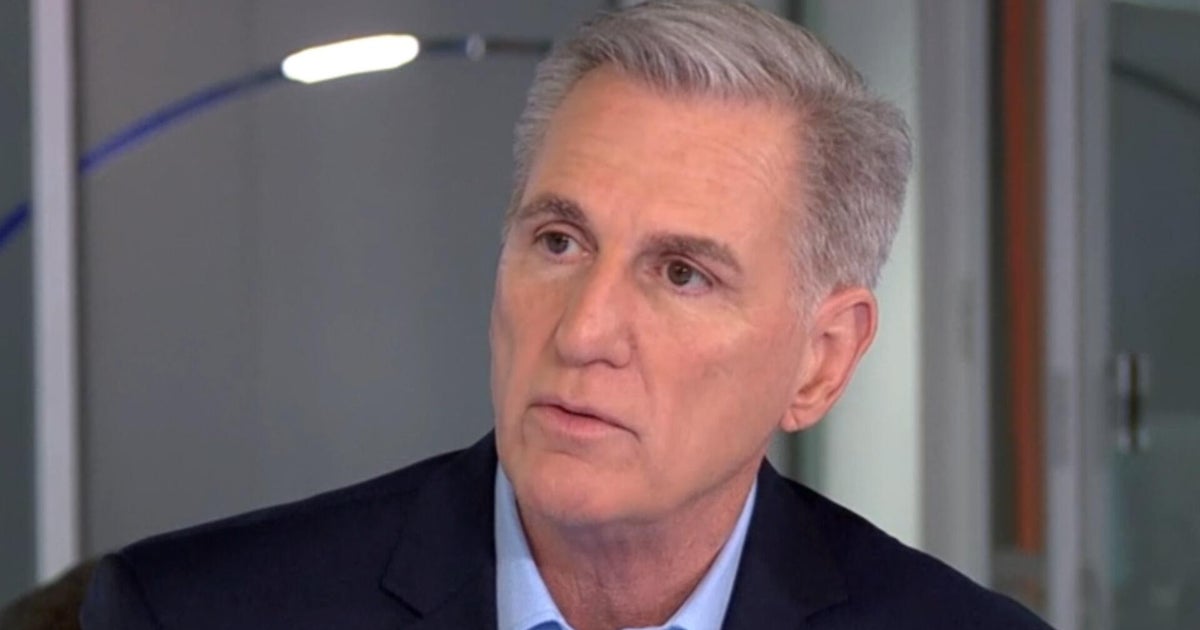
Former House Speaker Kevin McCarthy made headlines this week when he publicly called for the resignation of Texas Representative Tony Gonzales during an interview with CBS News. The controversy centers around recently revealed text messages that suggest an inappropriate relationship between Gonzales and a former staffer, Regina Santos-Aviles, who tragically died by suicide in September 2025. Speaking candidly on “The Takeout with Major Garrett,” McCarthy didn’t mince words about what he believes should happen next. “If this was in a business, he would’ve been fired,” the California Republican stated bluntly, arguing that the situation demands immediate action rather than political calculation. The former Speaker’s comments represent one of the strongest rebukes yet from within Republican ranks, signaling that this scandal has reached a tipping point that can no longer be ignored by party leadership.
The Troubling Text Exchange That Sparked Outrage
The text messages at the heart of this controversy paint a disturbing picture of a power imbalance and inappropriate workplace behavior. Dating back to May 2024, the exchange between Gonzales and Santos-Aviles shows the congressman requesting that she send him a “sexy pic” and asking her questions of a sexual nature. What makes these messages particularly damning is Santos-Aviles’s response, in which she clearly expressed discomfort, telling her boss, “This is going too far boss.” This statement is crucial because it demonstrates that she recognized the inappropriate nature of the interaction and attempted to establish boundaries with someone who held power over her career and livelihood. The fact that these messages have now come to light, combined with the tragic circumstances of Santos-Aviles’s death just over a year later, has created a firestorm of criticism directed at Gonzales. Santos-Aviles, who was married and had an 8-year-old son, set herself on fire in September 2025 and died the following day, leaving behind heartbroken family members and unanswered questions about what led to such a desperate act.
Gonzales Refuses to Step Down Despite Growing Pressure
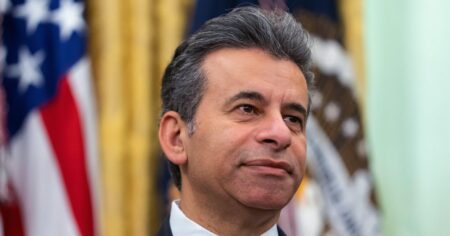
Despite mounting calls for his resignation from both former and current colleagues, Representative Tony Gonzales has made it clear he has no intention of leaving office. When confronted by reporters about the text messages on Tuesday, the congressman remained defiant, insisting that “What you’ve seen are not all the facts.” This statement suggests that Gonzales believes there is additional context or information that would somehow change the public’s perception of his conduct. He has previously denied having an affair with Santos-Aviles, though the text messages seem to contradict that denial, at minimum showing an attempt to initiate an inappropriate relationship with a subordinate. Gonzales’s refusal to resign sets up a potentially explosive situation as he heads into next week’s primary election, where he faces a challenge from Brandon Herrera, a hard-right candidate who has gained support from Republicans disgusted by the scandal. The congressman’s decision to stay in the race despite the controversy demonstrates either remarkable confidence in his political position or a fundamental misunderstanding of how damaging these revelations have been to his reputation and standing within the party.
Leadership Divided on How to Handle the Crisis
The response from Republican leadership has been notably split, revealing tensions within the party about how to handle situations involving allegations of misconduct. Current House Speaker Mike Johnson, who succeeded McCarthy in the role, acknowledged the seriousness of the situation in an interview with CBS Evening News anchor Tony Dokoupil, calling the allegations against Gonzales “detestable.” However, unlike McCarthy, Johnson stopped short of demanding Gonzales’s resignation, instead taking a more measured approach. “We’re trying to sort it out,” Johnson explained, adding that “what we do here is we allow all the facts to play out.” This cautious stance may reflect the political reality that Republicans hold a narrow majority in the House and cannot afford to lose seats unnecessarily, or it could indicate a genuine belief that rushing to judgment without complete information would be unfair. McCarthy, no longer constrained by the responsibilities of leadership, seemed frustrated by this hesitancy. He questioned how anyone with knowledge of these texts could continue to endorse Gonzales or remain silent about his conduct, challenging his former colleagues to take a principled stand regardless of the political consequences.
McCarthy Argues for Immediate Intervention
Kevin McCarthy’s position on this matter is unambiguous: leadership needs to step in and force the issue rather than waiting for more information or allowing the political process to take its course. “This is unacceptable,” McCarthy told CBS News emphatically. “This is where the leaders of the conference, we would have to step in. You step in in these situations to protect everybody else.” This statement reveals McCarthy’s philosophy about leadership responsibility—that those in charge have an obligation to act decisively when members of their caucus engage in behavior that damages the institution and harms others. McCarthy described the entire situation as “devastating,” acknowledging the human tragedy at its core while also recognizing the political and ethical dimensions. His call for intervention represents a contrast with the more hands-off approach favored by some current leaders who prefer to let voters decide Gonzales’s fate in the upcoming primary. The former Speaker’s willingness to speak so directly about a sitting member of his own party demonstrates either personal conviction about the gravity of the situation or perhaps the freedom that comes with no longer holding leadership responsibilities where political calculations often constrain public statements.
Growing Republican Opposition and the Road Ahead
Since the text messages became public knowledge, Representative Gonzales has watched his support within the Republican caucus crumble. Several House Republicans have joined McCarthy in calling for his resignation, while others have publicly backed his primary challenger Brandon Herrera, effectively declaring that they no longer believe Gonzales should represent their party. This growing chorus of opposition reflects both moral outrage at his conduct and political concern about the damage this scandal could do to Republican prospects if Gonzales remains the nominee. The timing of these revelations, coming just days before the primary election, could prove decisive in determining Gonzales’s political future. Voters in his Texas district will now cast their ballots with full knowledge of the text exchange and the tragic death that followed, making this less about abstract political positions and more about character and judgment. The outcome of next week’s primary will serve as a referendum not just on Gonzales himself but on whether Republican voters are willing to overlook serious allegations of misconduct when evaluating their representatives. Regardless of what happens in the election, this scandal has already left an indelible mark on Gonzales’s career and raised important questions about power dynamics, workplace conduct, and accountability in Congress that will continue to resonate long after this particular controversy fades from the headlines.