
Major Shakeup at Department of Homeland Security: Kristi Noem Out, Senator Mullin In
A Sudden Leadership Change at DHS
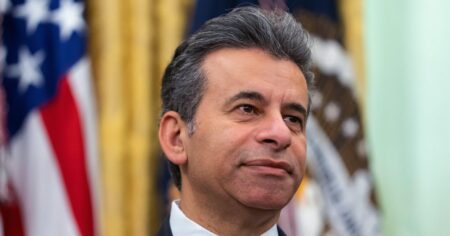
In a surprising announcement that sent shockwaves through Washington, President Trump revealed on Thursday that Kristi Noem would be stepping down from her position as Secretary of Homeland Security, effective March 31, 2026. Taking her place will be Senator Markwayne Mullin, a Republican from Oklahoma whom the president described as “highly respected.” While Trump praised Noem’s service and cited what he called “spectacular results” on border security, the reality behind this leadership change tells a much different story—one of political controversy, questionable spending decisions, and mounting criticism from both sides of the aisle. Rather than being fired outright, Noem will transition to a new role as special envoy for The Shield of the Americas, a forthcoming security initiative from the administration that hasn’t yet been fully unveiled to the public.
The Minneapolis Tragedy and Its Aftermath
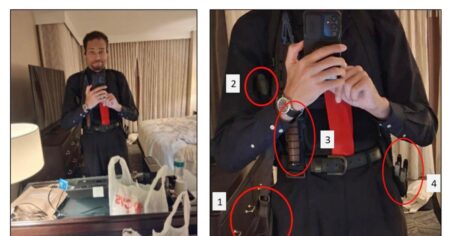
The cracks in Noem’s leadership became impossible to ignore following the tragic deaths of Renee Good and Alex Pretti during an immigration enforcement operation in Minneapolis. These fatal shootings occurred during what was supposed to be a routine immigration crackdown, but the incident sparked national outrage and raised serious questions about the tactics being employed by the Department of Homeland Security under Noem’s watch. The fallout was immediate and severe—Congress, responding to public outcry, refused to fund the Department of Homeland Security, allowing its funding to completely lapse. This unprecedented move demonstrated just how seriously lawmakers took the concerns about DHS operations under Noem’s leadership. The president himself signaled his displeasure by appointing border czar Tom Homan, who had been an internal rival of Noem’s, to take charge of winding down the Minneapolis operation. According to two administration officials who spoke with CBS News, this decision made it clear that Trump was unhappy with how Noem had handled the situation. Since then, the focus of Immigration and Customs Enforcement (ICE) has shifted dramatically, now concentrating more heavily on arresting immigrants who are in the country illegally and also have criminal records, rather than the broader, more indiscriminate sweeps that had characterized earlier operations.
The Controversial $220 Million Ad Campaign
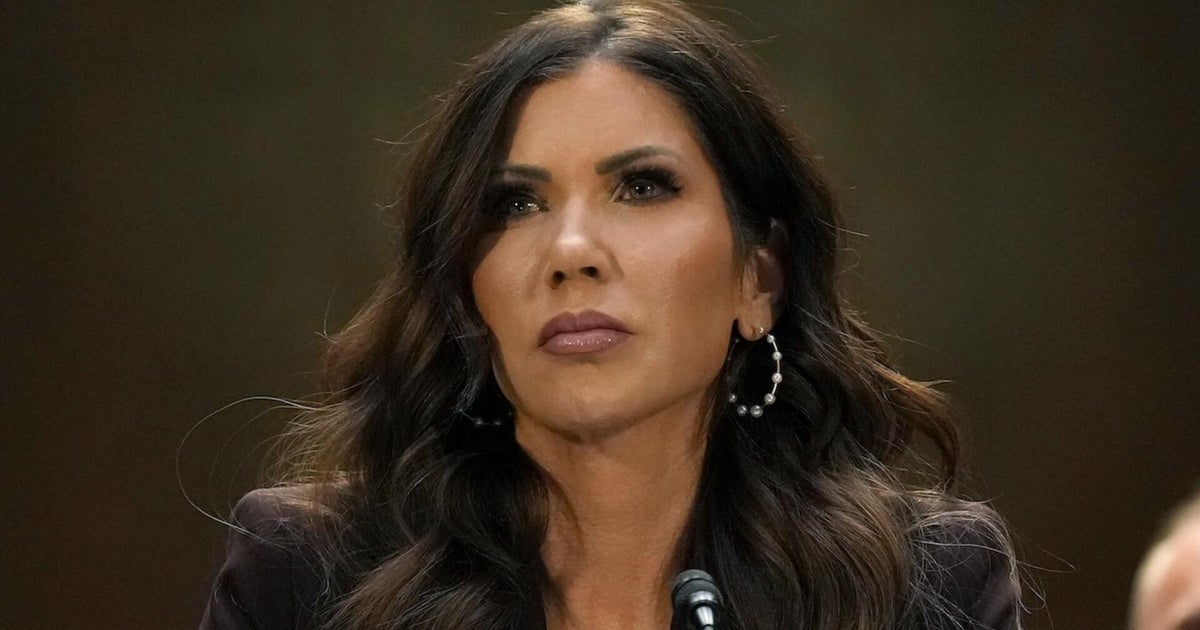
If the Minneapolis tragedy planted seeds of doubt about Noem’s leadership, her Senate testimony earlier this week may have been what finally sealed her fate. During what can only be described as a bruising appearance before senators, Noem faced withering criticism not just from Democrats, as might be expected, but also from members of her own Republican party. The most damaging exchange came with Senator John Kennedy of Louisiana, a typically folksy but sharp questioner who zeroed in on Noem’s decision to spend a staggering $220 million on an advertising campaign supposedly aimed at reducing illegal immigration. What raised eyebrows wasn’t just the astronomical price tag, but the fact that these advertisements featured Noem herself prominently, leading critics to question whether this was really about border security or about building Noem’s personal political profile. Kennedy also pointed out that she had hired people who had previously worked on her political campaigns back in South Dakota to work on these ads, further suggesting that the line between official government business and personal political promotion had become dangerously blurred.
When Kennedy pressed Noem on whether President Trump had actually approved spending $220 million on ads that featured her so prominently, she insisted that yes, the president had approved it, that all legal processes were followed, and everything was done correctly. She claimed she and the president had discussed running these advertisements before she was even sworn in as secretary and had talked about it multiple times since. But Kennedy wasn’t buying it. After the hearing, he told CBS News that President Trump had called him personally, and that “his recollection and her recollection are different”—a polite way of saying someone wasn’t telling the truth. Kennedy’s follow-up comments were even more revealing. He said the president called him around 9:30 that night after the hearing, and in Kennedy’s colorful phrasing, “He was pissed” and “not a happy cowboy.” This direct insight into Trump’s reaction makes it clear that whatever Noem claimed about presidential approval, the president himself was blindsided, upset, or both about how she had spent that money and represented their conversations about it.
Broader Failures and Systemic Problems
Senator Kennedy wasn’t the only Republican to go after Noem during that fateful hearing. Senator Thom Tillis didn’t mince words, telling her directly: “What we’ve seen is a disaster under your leadership, Ms. Noem. A disaster.” Tillis raised concerns that went beyond just one questionable ad campaign or even one tragic incident. He pointed to innocent people being detained who turned out to be American citizens—a fundamental failure of the immigration enforcement system that undermines public trust and violates constitutional rights. He criticized what he called “the culture that’s been created here,” suggesting that the problems at DHS under Noem went deeper than individual mistakes to something more systemic and troubling. Tillis also took issue with Noem’s rhetoric, specifically her use of the term “domestic terrorist” after the Good and Pretti shootings in Minneapolis, language that many felt was inflammatory and inappropriate for the situation.
Perhaps most damning of all, Tillis cited a letter from the DHS Office of Inspector General documenting ten separate instances under Noem’s leadership where investigators said they had been misled and prevented from pursuing what they described as “critically important matters.” This suggests not just poor management or bad judgment, but potentially deliberate obstruction of oversight—a serious charge that would make any cabinet secretary’s position untenable. When reporters asked Tillis on Thursday about President Trump’s selection of Senator Mullin to replace Noem, his response was pointed and personal: “I can’t think of anybody I’d more proudly want to support to come in and clean up her mess.” That kind of language from a fellow Republican tells you everything you need to know about how completely Noem had lost the confidence of her own party.
An Awkward Exit and What Comes Next
In a moment that perfectly captured the awkwardness of the situation, Noem went ahead with a scheduled speech in Nashville at the Major Cities Conference just moments after President Trump announced on social media that she was being replaced. One can only imagine what was going through her mind as she took that stage, knowing that everyone in the audience had just learned she was on her way out. The image of a cabinet secretary delivering remarks even as news of their removal spreads in real-time speaks to both the speed of modern political communications and the sometimes brutal nature of political life in the Trump administration. As for what’s next, Senator Markwayne Mullin will have his hands full taking over a department that has been at the center of controversy, has seen its funding lapse, and according to multiple senators from his own party, has developed serious cultural and operational problems under Noem’s watch.
The Department of Homeland Security is one of the largest and most complex agencies in the federal government, responsible for everything from immigration enforcement to airport security to disaster response to cybersecurity and counterterrorism. Mullin will need to quickly restore confidence among both the department’s workforce and members of Congress who hold the purse strings. He’ll need to rebuild relationships that were damaged, reform practices that led to tragic outcomes like the Minneapolis shootings, and figure out how to refocus the agency’s mission in a way that balances security concerns with respect for civil liberties and constitutional rights. Meanwhile, Noem’s new role as special envoy for The Shield of the Americas remains vague and undefined—it could be a meaningful position that allows her to contribute in a different capacity, or it could be the kind of face-saving title that gets created when someone needs to be moved aside but an outright firing would be too politically damaging. Only time will tell whether this represents a genuine second chapter in Noem’s service to the administration or simply a graceful exit from a job where she had clearly lost the confidence of the president, Congress, and much of the public.