
Labor Secretary Lori Chavez-DeRemer Steps Down Amid Controversy
A Sudden Departure from the Trump Administration
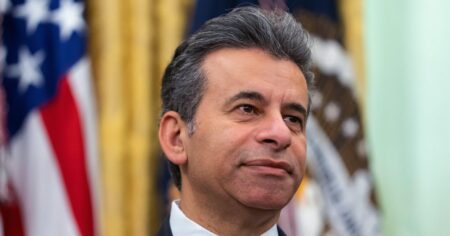
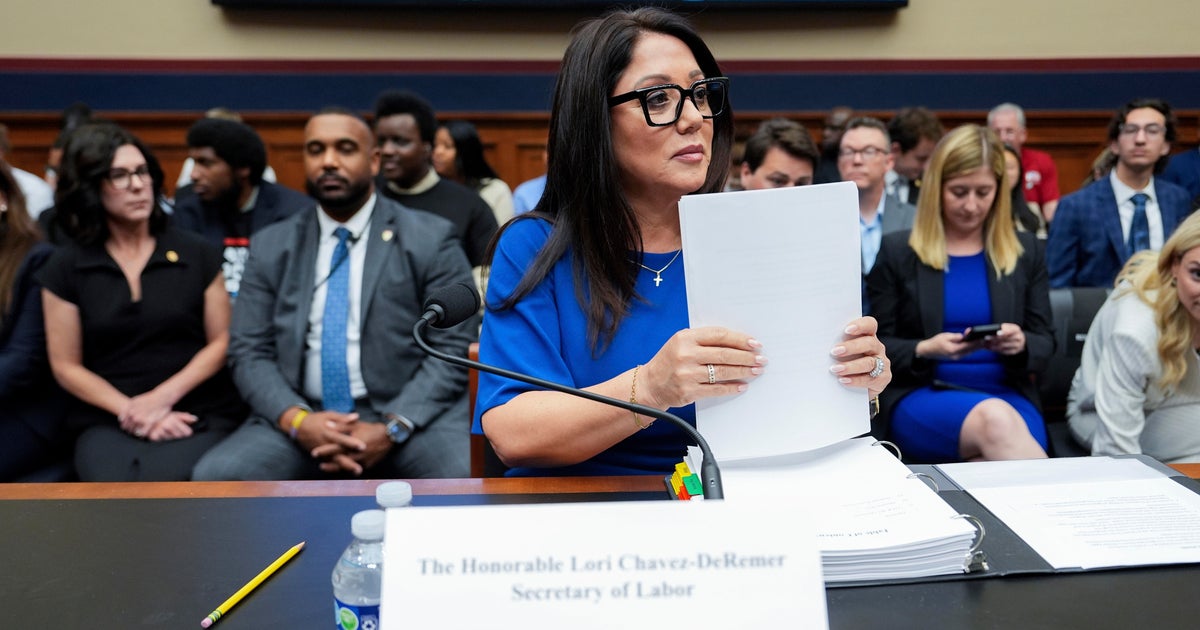
The Trump administration faced another significant Cabinet shakeup this week with the unexpected departure of Labor Secretary Lori Chavez-DeRemer. The White House confirmed on Monday that Chavez-DeRemer is leaving her position to pursue opportunities in the private sector, though the timing and circumstances surrounding her exit have raised eyebrows across Washington. White House communications director Steven Cheung made the official announcement, stating that Deputy Secretary Keith Sonderling would step up to serve as acting secretary in the interim. In her own statement following the White House’s announcement, Chavez-DeRemer expressed gratitude for her time in service, calling it “an honor and a privilege” to have served in the administration. However, the brevity of her tenure and the cloud of allegations hanging over her departure suggest there’s more to this story than a simple career move. Her exit adds to a growing list of high-profile departures from President Trump’s Cabinet in recent months, creating an atmosphere of instability within the administration’s leadership ranks.
A Pattern of Cabinet Turnover
Chavez-DeRemer’s resignation is just the latest in what has become a troubling pattern of Cabinet-level departures from the Trump administration. The revolving door at the top levels of government continued spinning when President Trump fired Attorney General Pam Bondi earlier this month, a move that sent shockwaves through the Justice Department. Before that, Homeland Security Secretary Kristi Noem was replaced in March, adding to the sense that the administration is struggling to maintain consistency in its leadership team. These frequent changes at the Cabinet level raise serious questions about the stability and effectiveness of the administration’s ability to govern. Each departure requires a transition period, during which critical government functions may be disrupted, relationships with career staff may be strained, and policy initiatives can lose momentum. For the American workers who depend on the Department of Labor for everything from workplace safety protections to unemployment benefits, this kind of leadership uncertainty can have real-world consequences. The frequency of these departures also makes it difficult for these departments to maintain long-term strategic planning and follow through on important initiatives that affect millions of Americans.
Allegations and Investigations Cast a Shadow
While the White House characterized Chavez-DeRemer’s departure as a voluntary move to the private sector, multiple news reports suggest her exit may have been anything but voluntary. Several news outlets have reported that her conduct was under investigation by the Labor Department’s inspector general, the internal watchdog responsible for investigating allegations of misconduct within the department. Though CBS News has not independently confirmed the existence of such an investigation, the inspector general’s office declined to comment when asked, and officials would not confirm or deny whether an investigation exists or if a report has been completed. According to The New York Times, the investigation reportedly focused on text messages sent by Chavez-DeRemer, her top aides, and family members to young staffers at the department. The nature and content of these messages have not been publicly disclosed, leaving many questions unanswered about what exactly prompted the scrutiny. This lack of transparency only fuels speculation about what really led to her departure and whether accountability measures are being properly applied.
Even more troubling are reports concerning Chavez-DeRemer’s husband, who was reportedly barred from the Labor Department’s headquarters in Washington, D.C., after two women who work there filed complaints that he had touched them inappropriately. Sources familiar with the situation confirmed these reports to CBS News earlier this year. These allegations paint a disturbing picture of an environment where professional boundaries may have been violated and where staff members felt uncomfortable or unsafe. The fact that these incidents allegedly occurred and were serious enough to result in a ban from the building raises important questions about oversight, accountability, and the culture within the department during Chavez-DeRemer’s brief tenure. For the dedicated public servants who work at the Department of Labor, these allegations must be taken seriously, and any investigation should be thorough and transparent to restore confidence in the department’s leadership.
A Brief Political Career with Unexpected Turns
Before joining the Trump administration as Labor Secretary, Lori Chavez-DeRemer had a relatively short political career that took some surprising turns. She served just one term as a Republican congresswoman representing a district in Oregon before losing her bid for reelection. Her time in Congress was notable for positions that set her apart from many of her Republican colleagues, particularly on labor issues. Most remarkably, Chavez-DeRemer was one of only a handful of Republicans to cosponsor the Protecting the Right to Organize Act, commonly known as the PRO Act. This legislation represented a comprehensive suite of changes to federal union protections and was primarily backed by Democrats and major labor organizations. Her support for this bill made her an unusual figure in the Republican Party, which has traditionally taken a more skeptical view of unions and collective bargaining rights.
When President Trump nominated Chavez-DeRemer for the position of Labor Secretary, her record on labor issues drew praise from unexpected quarters. The AFL-CIO, one of the largest and most influential federations of unions in the country, publicly praised her congressional record and expressed cautious optimism about her nomination. However, the labor organization also made clear its skepticism about President Trump’s own views on organized labor, creating an interesting dynamic where the labor movement supported the nominee while remaining wary of the president who chose her. This tension highlighted the complex political calculations involved in Cabinet appointments and the challenges faced by officials trying to balance loyalty to the president with their own policy convictions and stakeholder relationships. Chavez-DeRemer’s departure before she could fully implement any significant labor policy initiatives means we’ll never know how she would have navigated these competing pressures or whether she could have bridged the gap between the administration’s agenda and the priorities of the labor movement that had cautiously supported her.
Implications for Workers and the Department of Labor
The departure of a Cabinet secretary always creates uncertainty, but the circumstances surrounding Chavez-DeRemer’s exit are particularly concerning for the millions of American workers who rely on the Department of Labor to protect their rights and interests. The Department of Labor oversees critical functions including workplace safety standards, wage and hour regulations, unemployment insurance, and the enforcement of laws protecting workers from discrimination and exploitation. Leadership instability at the top can trickle down through the organization, affecting morale among career staff, delaying important decisions, and creating confusion about policy priorities. Deputy Secretary Keith Sonderling, who will now serve as acting secretary, faces the challenge of stabilizing the department while potentially preparing for yet another leadership transition if President Trump nominates a permanent replacement.
Beyond the immediate operational challenges, this situation raises broader questions about accountability and standards of conduct for senior government officials. If the reports about investigations and inappropriate behavior are accurate, they represent serious failures of judgment and professionalism that would be unacceptable in any workplace, let alone in a department charged with protecting workers’ rights. The American people deserve leaders who model the highest standards of professional conduct and who create work environments where all employees feel safe and respected. They also deserve transparency about what happened, why Chavez-DeRemer is really leaving, and what steps are being taken to ensure similar problems don’t occur in the future. As this story continues to develop, it will be important for journalists, oversight bodies, and concerned citizens to press for answers and accountability. The integrity of our government institutions depends on leaders who take their responsibilities seriously and who understand that public service is a privilege that comes with high expectations for ethical behavior. The workers of America, who depend on the Department of Labor to stand up for their interests, deserve nothing less than leadership they can trust and respect.