
New Allegations Surface Against California Representative Eric Swalwell
The political career of California Representative Eric Swalwell took a dramatic turn this week as another woman publicly came forward with serious allegations of sexual assault against the Democratic congressman. The accusations, which Swalwell has denied as politically motivated falsehoods, led to his withdrawal from California’s gubernatorial race and ultimately his decision to resign from Congress. The situation represents a significant fall from grace for a politician who once held a prominent position in the Democratic party and had presidential aspirations.
A Devastating Account from Lonna Drewes
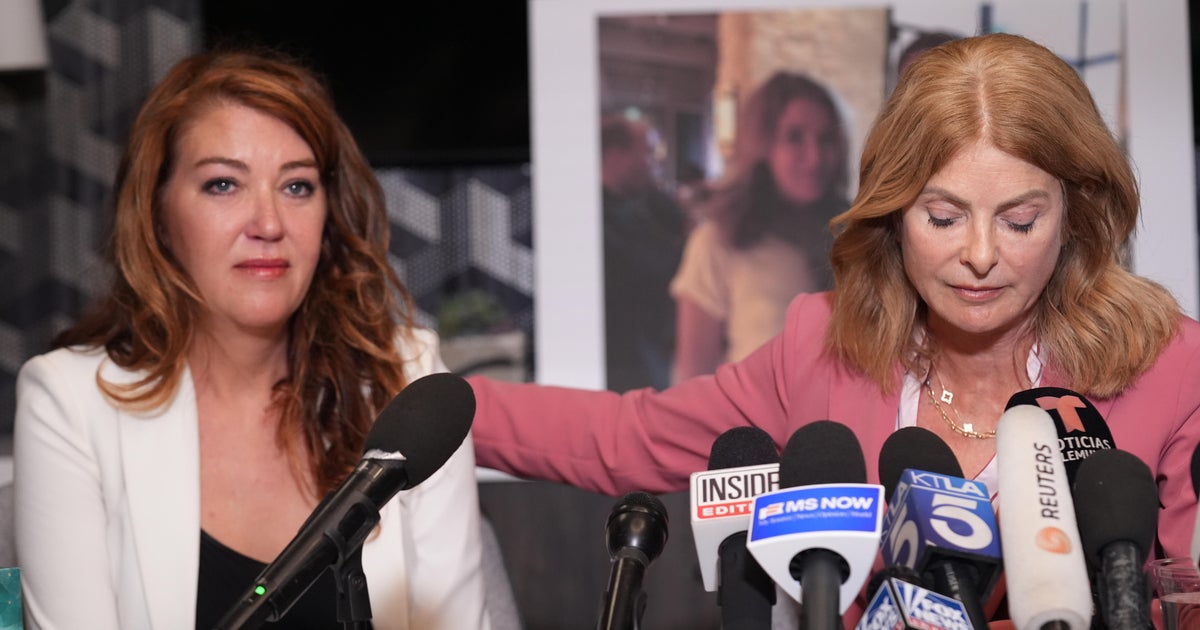
At a news conference held in Beverly Hills on Tuesday, a woman identifying herself as Lonna Drewes shared a harrowing account of an alleged encounter with Swalwell in 2018. Speaking alongside her attorneys, Drewes described what she said began as a seemingly innocent invitation to a political event but ended in tragedy. According to her testimony, Swalwell suggested they stop at his hotel room to retrieve some paperwork, but the situation quickly deteriorated. Drewes alleged that after having just one glass of wine, she became severely incapacitated in a way that seemed completely abnormal to her. She believes her drink was drugged, as she found herself unable to control her arms or body by the time they reached the hotel room.
The details Drewes provided painted a disturbing picture of violence and helplessness. She stated plainly that Swalwell raped her and choked her during the assault. The experience was so traumatic that she lost consciousness while being choked and genuinely believed she was dying in those moments. The emotional weight of recounting these events was evident as she spoke to reporters and legal representatives. For anyone who has experienced or knows someone who has survived sexual assault, the courage it takes to speak publicly about such violations cannot be understated. Drewes’ willingness to come forward, particularly against a powerful political figure, represents an act of tremendous bravery that should not be overlooked regardless of how the legal proceedings unfold.
The Aftermath and Delayed Response
Drewes explained that she did not seek a rape kit examination following the alleged assault, a decision that many survivors make for various personal reasons. However, she did take other steps to document and process what happened to her. She confided in her closest friends and family members about the assault and recorded the incident in her personal handwritten calendar, creating a contemporaneous record of the event. Additionally, she sought professional help and discussed the alleged rape during therapy sessions at a sexual assault center in Connecticut. These actions demonstrate a pattern of behavior consistent with someone processing a traumatic experience, even if they weren’t ready to take public or legal action immediately.
The question of why victims delay reporting is one that often arises in these cases, and Drewes addressed it directly. She explained that her delay in taking formal action was “driven by fear” of Swalwell’s political power and his professional background as an attorney. This concern is not uncommon among survivors who face powerful alleged perpetrators. The imbalance of power, the resources available to defend against accusations, and the potential for retaliation or public scrutiny all contribute to why many survivors wait years before coming forward. Drewes also spoke candidly about the profound impact the alleged assault had on her mental health, acknowledging that she turned to unhealthy self-medication as a coping mechanism. Her honesty about these struggles adds another layer of humanity to her story and reflects the real, lasting consequences that sexual assault has on survivors’ lives.
Professional Relationship Turned Nightmare
What makes Drewes’ allegations particularly troubling is the context in which she says the assault occurred. She stated that she had met Swalwell twice before the third encounter when the alleged rape took place. Their relationship, at least from her perspective, was a professional one. Drewes was running a software company, and Swalwell had offered to help her by providing connections that could benefit her business. She considered him a friend and trusted him enough to accept his invitation to what she thought would be a networking opportunity. This aspect of her story highlights how predators often use positions of power and offers of assistance to manipulate potential victims into vulnerable situations.
The alleged exploitation of a professional mentorship dynamic adds another disturbing dimension to these accusations. Many young professionals, particularly women in male-dominated fields like technology, rely on networking and mentorship to advance their careers. When those in positions to help instead use their influence to harm, it not only damages individual victims but creates a chilling effect that can discourage others from seeking legitimate professional guidance. Drewes’ attorney, Lisa Bloom—a prominent lawyer known for representing victims of sexual assault and harassment—announced plans to immediately file a police report with the Los Angeles County Sheriff’s Department, indicating that they intend to pursue this matter through official legal channels rather than merely in the court of public opinion.
A Pattern of Allegations and Political Fallout
Drewes is not the first woman to come forward with accusations against Swalwell, and her decision to speak publicly was influenced by the courage of other alleged victims. The situation gained significant public attention when the San Francisco Chronicle published an account from a former Swalwell staffer who alleged that the congressman sexually assaulted her on two separate occasions when she was too intoxicated to provide consent. Following that initial report, additional women stepped forward with their own stories of inappropriate behavior. Two women, Annika Albrecht and Ally Sammarco, told CBS News that Swalwell allegedly sent them unsolicited explicit messages via Snapchat, a messaging platform that automatically deletes messages and photos shortly after they’re sent—a feature that would make it difficult to preserve evidence of inappropriate communications.
The mounting allegations created an untenable political situation for Swalwell. He began losing support from key Democratic party figures, including former House Speaker Nancy Pelosi, who represents the same state. The House Ethics Committee opened an investigation into the allegations, and there was even an effort initiated to expel him from Congress entirely. The Manhattan District Attorney’s Office confirmed that it was investigating the sexual assault allegations, elevating the matter beyond political consequences to potential criminal prosecution. Faced with this collapsing support and multiple investigations, Swalwell announced on Sunday that he would end his gubernatorial campaign for California, followed by a Monday announcement that he planned to resign from Congress altogether. Throughout this cascade of consequences, Swalwell has maintained that the allegations against him are “false” and has suggested that they are politically motivated attacks designed to derail his gubernatorial ambitions.
Broader Implications and Washington’s Reckoning
The Swalwell situation is not occurring in isolation but rather as part of a broader reckoning with sexual misconduct that has rippled through both political parties. In a striking coincidence of timing, about an hour after Swalwell announced his resignation, Republican Representative Tony Gonzales of Texas also announced he would be stepping down from Congress. Gonzales faced his own scandal involving sexually explicit text messages he sent to a staffer who later tragically died by suicide. Gonzales admitted to the affair last month and ended his reelection campaign under pressure from House Republican leadership. There was also an effort to expel him from the House, demonstrating that these issues are affecting politicians across the political spectrum.
The near-simultaneous downfall of these two congressmen from opposite parties sends a powerful message that accountability for sexual misconduct may finally be transcending partisan politics. For too long, allegations against powerful political figures were often handled differently depending on party affiliation, with supporters rushing to defend their allies while attacking opponents facing similar accusations. The fact that both Democratic and Republican leadership are now taking action against members of their own parties suggests a shifting cultural moment where the protection of political power may be giving way to demands for accountability. As more survivors find the courage to come forward and tell their stories, as Lonna Drewes did this week, the calculation for politicians engaging in predatory behavior may finally be changing. Whether this represents a lasting transformation or a temporary political moment remains to be seen, but for survivors who have long been dismissed or disbelieved, these developments offer at least some hope that their voices are being heard and their experiences are being taken seriously.