
Legal Showdown: Democratic Lawmaker’s Attorney Fires Back at Federal Prosecutor Over Military Video Investigation
A Strong Warning Against Prosecutorial Overreach
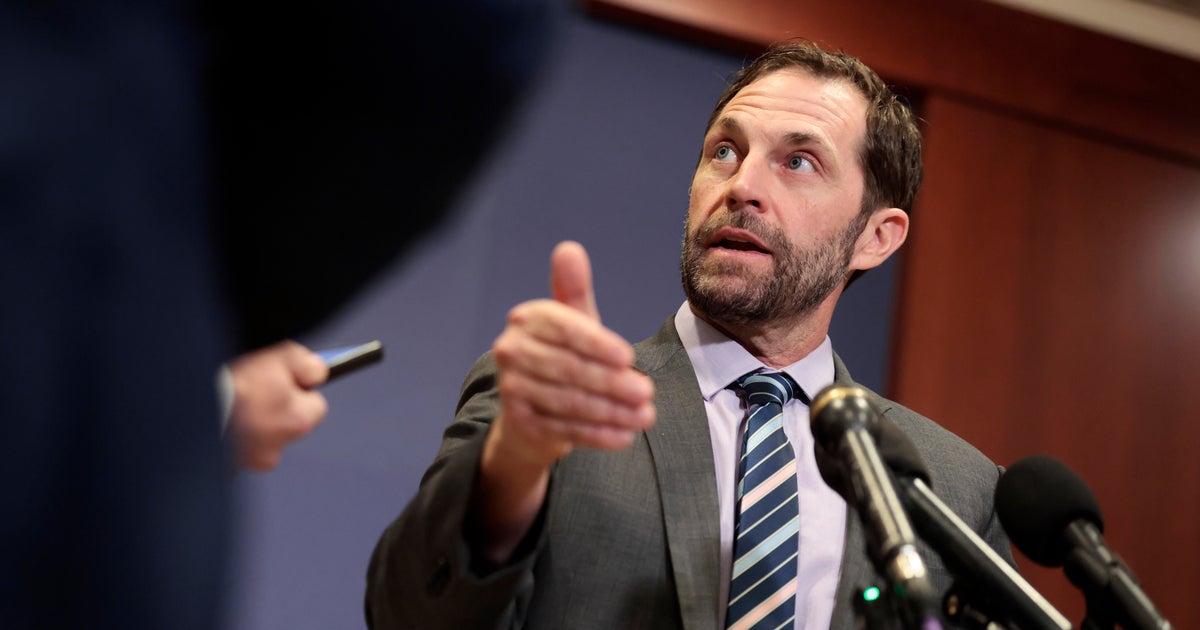
In a dramatic confrontation between Capitol Hill and the Justice Department, attorney Abbe Lowell has issued a forceful warning to U.S. Attorney Jeanine Pirro on behalf of his client, Democratic Representative Jason Crow of Colorado. The letter, which pulls no punches in its language, demands that Pirro’s office immediately preserve all records related to their investigation of Crow and five other Democratic lawmakers who appeared in a controversial video last November. This video urged military personnel and intelligence community members to reject what the lawmakers described as “illegal orders.” The confrontation escalated after a grand jury refused to indict Crow and his colleagues this week, effectively rejecting the Justice Department’s attempt to bring criminal charges. Lowell’s message is clear: any further prosecution efforts will result in legal action against the prosecutor’s office itself. The attorney characterizes the investigation as “breathtaking and unprecedented prosecutorial overreach,” suggesting that the Justice Department has crossed a dangerous line in pursuing what he describes as politically motivated charges against sitting members of Congress who were exercising their constitutional rights to speak out.
The Video That Started It All
The controversy centers around a video released in November by six Democratic lawmakers, all of whom share backgrounds as military veterans or former national security officials. Alongside Representative Crow, the group included Senators Mark Kelly of Arizona and Elissa Slotkin of Michigan, as well as Representatives Chris Deluzio and Chrissy Houlahan of Pennsylvania and Maggie Goodlander of New Hampshire. In the video, these lawmakers—drawing on their personal experiences serving the country—encouraged active-duty service members and intelligence personnel to remain vigilant about their constitutional obligations and to refuse orders they believed to be illegal. The lawmakers framed their message around protecting the Constitution, suggesting that threats to constitutional governance might require military and intelligence personnel to exercise independent judgment rather than blindly following commands. For these veterans-turned-legislators, the video represented their civic duty to speak out based on their unique perspective as people who had sworn oaths to defend the Constitution. However, what they saw as patriotic advice, the Justice Department apparently viewed as criminal interference with military discipline and loyalty.
The Failed Indictment and Its Implications
According to multiple sources who spoke with CBS News, the Justice Department’s prosecution attempt was based on a serious criminal statute that carries a potential ten-year prison sentence. This law targets anyone who “advises, counsels, urges, or in any manner causes or attempts to cause insubordination, disloyalty, mutiny, or refusal of duty by any member of the military.” To secure a conviction under this statute, prosecutors would need to prove that the defendants specifically intended to “interfere with, impair, or influence the loyalty, morale, or discipline of the military.” However, when federal prosecutors brought their case before a grand jury this week, they hit a brick wall—the grand jury declined to sign off on indictments against any of the six lawmakers. This rejection is particularly significant because grand juries typically operate in a prosecutor-friendly environment, hearing only the government’s side of the story without defense attorneys present. The old legal saying that a prosecutor could “indict a ham sandwich” speaks to how rare grand jury rejections actually are. The fact that this grand jury refused to move forward with charges suggests that even under the most favorable circumstances for the prosecution, the case was simply too weak to warrant criminal charges.
Fighting Back: Preserving Records for Future Legal Action
In response to what he views as an abuse of power, Lowell has now turned the tables on the prosecutors, putting them on notice that they may themselves face legal consequences. His letter specifically demands that Pirro and her staff preserve “any and all information, communications, documents, and electronically stored information” that might be relevant to potential claims and defenses. This is standard legal language used when someone is preparing for litigation—essentially creating a legal obligation for the prosecutor’s office to maintain a complete paper trail that could later be examined in court. Lowell cites fundamental principles of federal prosecution that require probable cause before requesting or conducting investigations, arguing that continuing to pursue these “baseless allegations” would itself be actionable—meaning it could form the basis of a lawsuit. The attorney’s letter also references what he describes as a troubling pattern at the Justice Department of ignoring decisions by judges and juries who have rejected similar attempts to file what he characterizes as baseless charges. This suggests that Lowell sees the attempted prosecution of Crow and his colleagues as part of a broader problem within the current Justice Department’s approach to politically sensitive cases.
The Lawmakers Strike Back
Senator Elissa Slotkin, speaking at a news conference alongside Senator Mark Kelly, made it clear that the lawmakers are not backing down. “We need to stay on offense,” she declared, explaining that both senators have “kept all of our legal options open as we go forward.” Slotkin revealed that she had sent a letter to both Pirro and Attorney General Pam Bondi the previous week, also demanding that they retain all relevant records. Not satisfied with just one communication, she sent another inquiry specifically seeking confirmation that “this is over” and that no further prosecution attempts would be made. The lawmakers’ aggressive response reflects their determination not to be intimidated by what they view as political retribution. Senator Dick Durbin, the ranking Democrat on the Senate Judiciary Committee, also entered the fray this week by sending his own letter requesting document preservation, lending the weight of his committee position to the lawmakers’ defense. The coordinated response from multiple Democratic lawmakers and their legal teams suggests they view this case as a serious threat not just to themselves individually, but to the broader principle of congressional free speech and the ability of lawmakers to criticize the executive branch without fear of criminal prosecution.
Defending Democracy: A Veteran’s Resolve
Lowell’s letter concludes with powerful language that frames the confrontation in terms that go beyond a simple legal dispute. He directly accuses President Donald Trump of initiating what the attorney describes as a “political retribution campaign” against those who “dare speak out and criticize this Administration,” with Pirro’s office carrying out the president’s wishes. The letter emphasizes Representative Crow’s credentials as someone who “went to war three times for this country as a paratrooper and Army Ranger,” making the point that someone with such a distinguished service record “will not be intimidated or silenced.” This framing is particularly significant because it creates a stark contrast—painting Crow and his colleagues as patriots who risked their lives for their country, now facing prosecution for exercising the very freedoms they fought to defend. The attorney’s final words declare that Crow “has dedicated his life to defending our democracy and the nation he loves, and nothing will stop that.” This case raises profound questions about the boundaries between legitimate prosecution and political intimidation, the protection afforded to congressional speech, and whether the Justice Department is being weaponized against political opponents. As the standoff continues, it represents a critical test of constitutional principles, the independence of the Justice Department, and the resilience of democratic norms in an increasingly polarized political environment. Whatever the ultimate outcome, this confrontation will likely have lasting implications for how freely elected officials can speak out on matters of national security and constitutional concern.