
Airport Chaos: Government Shutdown Creates Travel Nightmare for Passengers
Hours-Long Security Lines Plague Major Airports
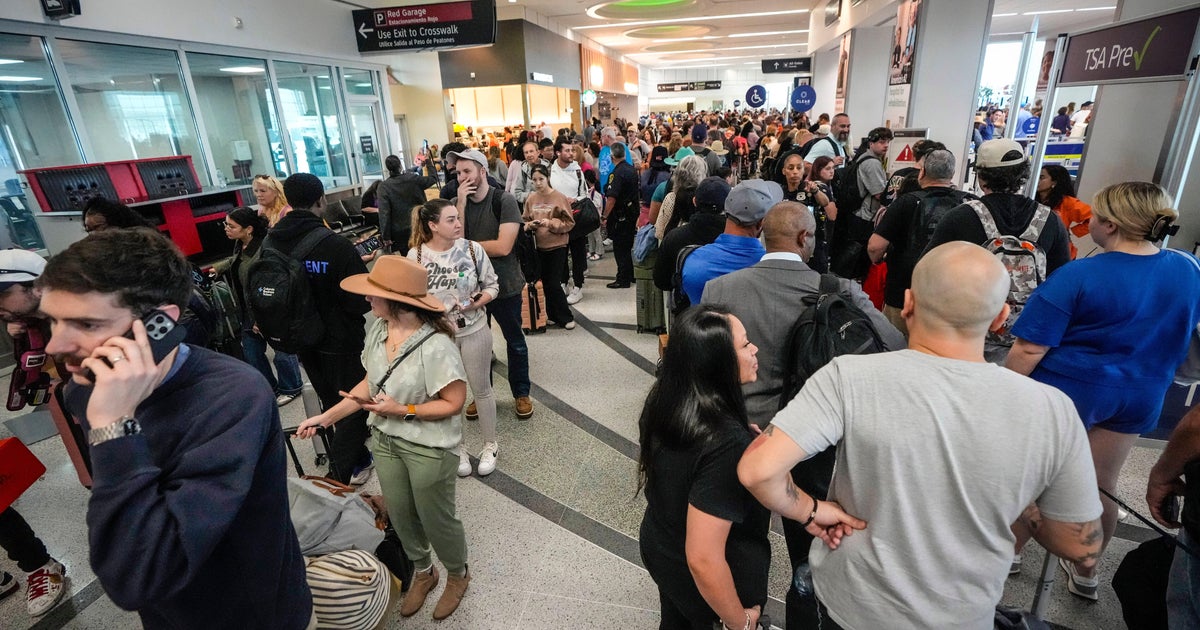
Travelers across the United States faced an unprecedented travel nightmare on Sunday as security checkpoint lines stretched for hours at major airports, with some passengers waiting more than three hours just to clear security screening. The crisis unfolded primarily at Louis Armstrong International Airport in New Orleans and William P. Hobby Airport in Houston, where the Transportation Security Administration struggled with severe staffing shortages amid an ongoing partial government shutdown. The shutdown, which began on February 14th after Congress failed to reach an agreement on funding for several federal agencies, has left thousands of TSA agents working without paychecks for weeks. This dire situation, combined with the seasonal surge in spring break travel, created a perfect storm that left passengers stranded, stressed, and scrambling to salvage their travel plans.
At Louis Armstrong International Airport in New Orleans, airport officials issued urgent warnings advising travelers to arrive at least three hours before their scheduled flights—significantly longer than the typical recommendation of 90 minutes for domestic travel. The airport took to social media to explain the situation, stating that “Due to impacts from the federal government’s partial shutdown, the TSA is experiencing a shortage of workers at the security checkpoint, which is causing longer-than-average lines.” The reality on the ground was even worse than these warnings suggested, with security line wait times stretching to two full hours or more. Airport officials warned that these delays could persist throughout the entire week, leaving spring break travelers and business passengers alike facing the prospect of extended disruptions to their travel plans. Videos posted on social media painted a stark picture of the chaos, showing security lines that had grown so long they extended beyond the terminal building itself and snaked out into the airport’s parking garage.
Local Officials Sound the Alarm
New Orleans Mayor Helena Moreno personally visited the airport to assess the situation and took to Instagram to share her concerns with the public. In a video message, Moreno explained what she had learned from discussions with airport officials: “We’ve got really, really long lines at the airport, and, from talking to the airport officials, it appears that this has to do with the funding bill in Congress. TSA agents didn’t receive a paycheck, so you have a lot of the workforce that has called in sick, which is causing these huge, huge lines.” Her statement highlighted the human cost of the political standoff in Washington, with federal workers forced to choose between working without pay or calling in sick to potentially seek temporary employment elsewhere or simply to protest their untenable situation. The sick-outs by TSA agents, while creating hardship for travelers, underscored the impossible position these essential workers found themselves in—expected to maintain national security and facilitate commerce while going unpaid themselves.
The situation in Houston proved equally chaotic, if not worse. At William P. Hobby Airport, passengers received the shocking advice to arrive four to five hours before their scheduled departure times, with security wait times potentially exceeding three hours. For context, this means that a traveler catching a typical domestic flight would need to arrive at the airport earlier than many people wake up for work, transforming what should be a routine travel experience into an exhausting ordeal. Social media platforms became flooded with images and videos from frustrated Houston travelers, documenting the seemingly endless queues of passengers waiting to reach security checkpoints. The visual evidence shared online showed crowds of people with luggage packed into every available space, their faces reflecting a mixture of frustration, resignation, and disbelief at the unprecedented delays.
Political Stalemate Leaves Travelers Stranded
The crisis at America’s airports stems from an ongoing political battle in Washington over funding for the Department of Homeland Security, which oversees the TSA. Earlier in the year, lawmakers from both parties had actually reached a bipartisan agreement that would have funded the department through September, potentially avoiding this entire crisis. However, the tragic fatal shootings of Renee Good and Alex Pretti by federal agents in Minneapolis in January dramatically changed the political landscape. These incidents prompted Democratic lawmakers to demand comprehensive reforms to immigration enforcement before they would agree to any funding extension. Senate Minority Leader Chuck Schumer articulated his party’s position clearly, stating that “we need to rein in ICE and end the violence.” This firm stance from Democrats created an impasse that has now stretched on for weeks.
Last week, the House of Representatives managed to pass a measure that would fund the Department of Homeland Security through September, but the vote was extremely close—221 to 209—reflecting the deep partisan divisions on the issue. When a similar bill reached the Senate, it failed to achieve the 60 votes necessary to overcome procedural hurdles, garnering only 51 votes. This legislative failure meant that TSA workers would continue going without paychecks, and the cascading effects on airport security operations would continue. Chris Sununu, president and CEO of Airlines for America, a major trade group representing U.S. airlines, issued a strongly worded statement calling on both Congress and the Trump administration to end the stalemate. “We are in spring break travel season and expecting record numbers of people to take to the skies. Airlines have done their part to prepare; now Congress and the administration must act with urgency to reach a deal that reopens DHS and ends this shutdown,” Sununu stated. He added a pointed reminder: “America’s transportation security workforce is too important to be used as political leverage.”
Real People, Real Consequences
Behind the statistics and political debates are real travelers whose plans were thrown into chaos by the security delays. Jessica Andersen Alexie and her two children, ages 10 and 13, found themselves caught in the nightmare scenario at Houston’s Hobby Airport as they attempted to return home to New Orleans after attending the World Baseball Classic. Despite arriving three hours early—which would normally be considered excessive for a domestic flight—Alexie quickly realized that her family would miss their scheduled flight. Standing in the security line, she frantically checked rental car availability, hoping that driving home might provide an escape from the airport chaos, but found that no vehicles were available. After managing to rebook for a late-night flight, she felt a wave of relief when her family was able to use the CLEAR security line, finally making it through after approximately three and a half hours of waiting.
But Alexie’s ordeal wasn’t over yet. Even after clearing security and sitting down to eat with her exhausted children, her mind kept working on the problem. She had the presence of mind to check for available flights again, reasoning that other passengers who had missed their connections might have cancelled and rebooked, potentially opening up seats. Her persistence paid off—she found three seats on a flight that could get her family home to New Orleans that same Sunday afternoon. However, when they finally landed back home, they discovered that the airport chaos wasn’t limited to Houston. The security line at Louis Armstrong International Airport extended all the way out to the parking garage, a testament to how widespread the crisis had become. Reflecting on the entire experience, Alexie summed it up succinctly: “It was nuts. It was crazy.” Her story represents just one family among thousands affected by the shutdown, but it illustrates the very human cost of political dysfunction—missed connections, stressed parents trying to manage anxious children, wasted time and money, and the transformation of what should have been a pleasant return from a sporting event into a exhausting ordeal that her children will likely remember for years to come.