
Trump Administration Blocks Payment for Maduro’s Legal Defense: A Constitutional Rights Dilemma
The Payment Authorization Reversal
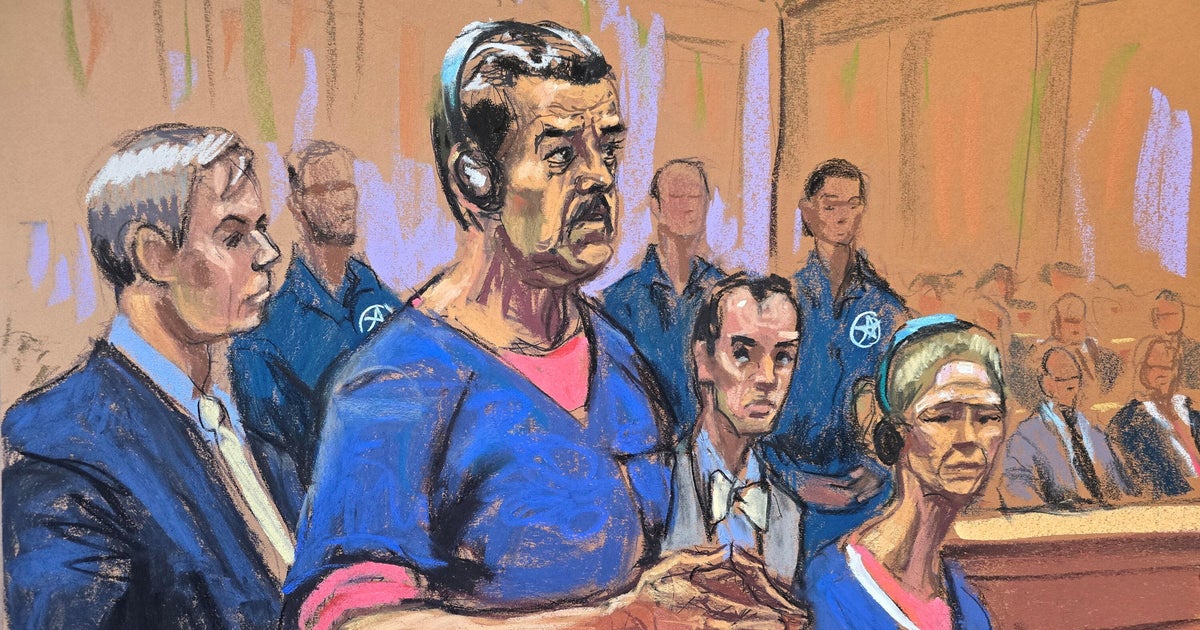
In an unprecedented legal development that raises serious constitutional questions, the Trump administration has blocked the Venezuelan government from covering the legal expenses of former President Nicolás Maduro, who currently faces drug trafficking charges in New York. According to court documents made public, attorney Barry Pollack informed a Manhattan federal judge through an email dated February 20 that the U.S. Treasury Department had prevented the authorization of legal fees that Venezuela’s government is obligated to pay under its own laws and customs for both Maduro and First Lady Cilia Flores. This decision has sparked intense debate about whether the U.S. government is potentially interfering with Maduro’s fundamental constitutional right to legal counsel. What makes this situation particularly perplexing is the apparent flip-flopping by U.S. authorities. The Treasury Department’s Office of Foreign Assets Control, the agency responsible for managing sanctions against Venezuela, had initially granted permission on January 9 for the Venezuelan government to pay these legal fees. However, in a stunning reversal that occurred less than three hours later, the Trump administration withdrew this authorization without providing any explanation. Interestingly, the license allowing payment for Cilia Flores’s legal representation remained intact, creating an inconsistent approach that has left legal observers questioning the rationale behind this selective treatment.
The Dramatic Capture and Current Legal Status
Maduro and his wife find themselves in an extraordinary predicament, having been detained in New York without the possibility of bail since their dramatic seizure from their Venezuelan residence on January 3. The operation that led to their capture reads like something from a Hollywood thriller – a stealth nighttime raid conducted by U.S. military forces that caught the couple in their own home. Both Maduro and Flores have entered pleas of not guilty to the charges they face, with Maduro scheduled to appear before the federal court again on March 17 for another hearing. The couple now sits at the center of a complex legal battle that intertwines criminal prosecution with international diplomacy, constitutional rights, and foreign policy considerations. The charges against them are serious and far-reaching, with a 25-page indictment accusing Maduro and others of collaborating with drug cartels and military members to enable the transportation of thousands of tons of cocaine into the United States. If convicted on these charges, both face the prospect of spending the rest of their lives in prison, making the question of adequate legal representation all the more critical to their defense.
The Constitutional Rights Question
Barry Pollack, representing Maduro, has raised fundamental concerns about his client’s Sixth Amendment rights, which guarantee Americans – and those facing prosecution in American courts – the right to counsel of their choice. In his correspondence with the Office of Foreign Assets Control dated February 11, Pollack requested that the original license be reinstated, emphasizing that Venezuela has a legal obligation under its own system to cover Maduro’s defense costs. More importantly, he argued that Maduro has a “legitimate expectation” that his government would fulfill this obligation and that without such payment, Maduro cannot afford to retain legal counsel on his own. Pollack’s argument strikes at the heart of American constitutional principles: “The government of Venezuela has an obligation to pay Mr. Maduro’s fees, Mr. Maduro has a legitimate expectation that the government of Venezuela would do so, and Mr. Maduro cannot otherwise afford counsel,” he wrote. He went further to state that the U.S. government’s actions constitute “interfering with Mr. Maduro’s ability to retain counsel and, therefore, his right under the Sixth Amendment to counsel of his choice.” This puts American authorities in a difficult position, as the United States has long championed the rule of law and constitutional protections, even for those accused of serious crimes.
Foreign Policy Complications and Diplomatic Entanglements
The dispute over legal fees cannot be separated from the broader context of U.S.-Venezuela relations, which have been contentious for years. During his first administration, President Trump severed diplomatic ties with Maduro’s government in 2019, instead recognizing the then-opposition leader and head of the National Assembly as Venezuela’s legitimate president. The Biden administration largely maintained this same policy approach throughout its tenure. Now, allowing the current Venezuelan government – led by acting President Delcy Rodríguez, who was previously Maduro’s vice president – to finance his legal defense creates a minefield of complications for federal prosecutors. If the U.S. permits these payments, it could undermine their arguments in court against Maduro’s claims that his capture was illegal and that as a foreign head of state, he enjoys immunity from prosecution under both U.S. and international law. The government’s silence on the matter has been notable, with the Treasury Department, White House, and Justice Department all declining to comment when contacted about the legal fees controversy. This strategic silence suggests the administration is carefully navigating the intersection of criminal prosecution and diplomatic recognition.
The Serious Allegations and Their Implications
The charges facing Maduro and his wife paint a picture of a sophisticated criminal enterprise operating at the highest levels of government. According to the indictment, they worked hand-in-hand with dangerous drug cartels and military officials to facilitate massive cocaine shipments destined for American streets. The allegations go beyond mere facilitation of drug trafficking – prosecutors claim that Maduro and Flores personally ordered violent retribution against those who crossed them in the drug trade. The indictment specifically accuses them of ordering kidnappings, beatings, and murders of individuals who owed them drug money, including the assassination of a local drug boss in Caracas. These are not the actions of passive government officials turning a blind eye to criminal activity, but rather the alleged direct participation in violent criminal enterprises by individuals holding the highest offices in their country. The scope of the alleged conspiracy – involving thousands of tons of cocaine – speaks to the potential scale of the operation and explains why U.S. authorities were willing to undertake such an extraordinary military operation to bring Maduro to justice on American soil.
The Broader Geopolitical Consequences and New Dynamics
Maduro’s capture and detention have fundamentally altered the power dynamics between the United States and Venezuela, creating opportunities for American influence that seemed unimaginable just months ago. The Trump administration conducted a monthslong military buildup in the Caribbean before executing the operation that seized Maduro, signaling the seriousness with which they approached the mission. With Maduro now behind bars in New York, acting President Delcy Rodríguez faces enormous pressure from Washington and has responded with remarkable speed on several fronts. Under U.S. influence, her government has moved to open Venezuela’s vast oil industry to American investment, released political prisoners who had languished in Venezuelan jails, and reestablished direct diplomatic communications with Washington – something that hadn’t occurred since the Trump administration closed the U.S. embassy in Caracas back in 2019. President Trump himself announced on Tuesday that the United States had already received more than 80 million barrels of oil from what he described as Venezuela, calling the country a “new friend and partner.” This dramatic shift in relations demonstrates how Maduro’s removal has created space for a complete reset in bilateral relations. However, the legal fee controversy threatens to complicate this new partnership, as it forces both the U.S. and Venezuelan governments to navigate the awkward position of whether Venezuela should be supporting its former president’s defense against American criminal charges while simultaneously building a cooperative relationship with those same American authorities.