
New York City’s Progressive Mayor Reflects on Democratic Socialism and His First 100 Days
A Bold Vision for Working-Class Politics
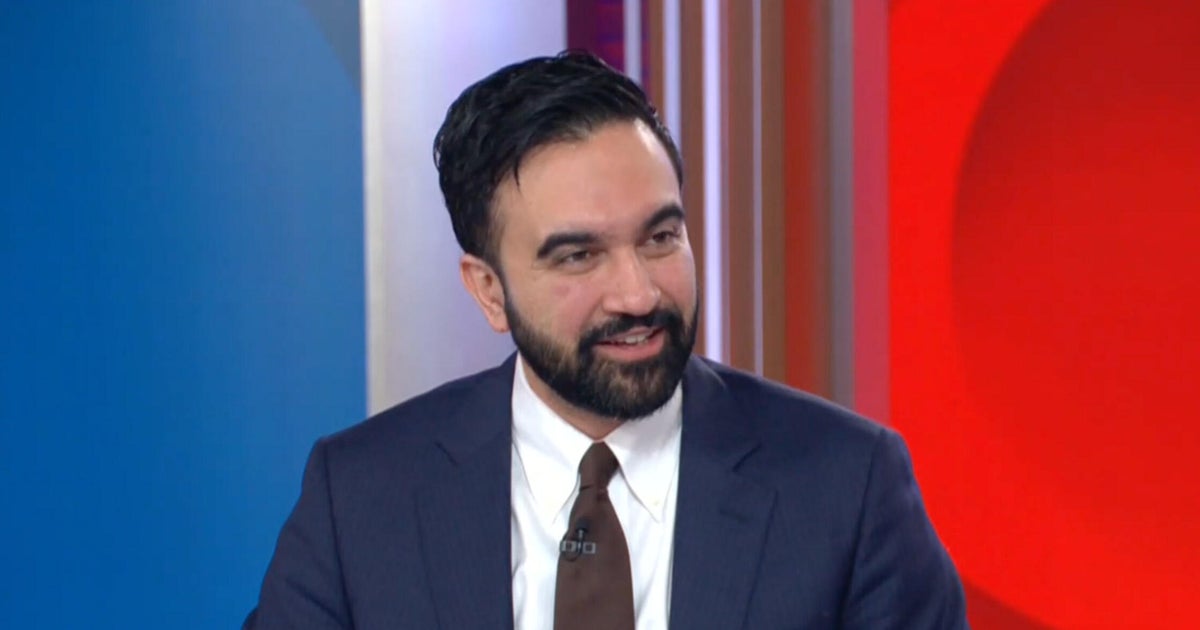
New York City Mayor Zohran Mamdani is making waves as he marks his first 100 days in office, bringing a refreshingly candid perspective on democratic socialism to America’s largest city. In a recent interview on “CBS Mornings,” the mayor shared his conviction that democratic socialist principles aren’t just viable in progressive enclaves—they can thrive anywhere in America. His reasoning is straightforward and compelling: the working class represents the true majority in this country, yet their interests have been relegated to the sidelines of political discourse for far too long. Mamdani’s vision centers on changing this dynamic by placing working people at the heart of policy decisions rather than treating them as an afterthought. Before becoming mayor, skeptics told him that democratic socialism could only succeed in his home base of northwest Queens. Now, having won the city’s top office, he’s proving that progressive politics can resonate with millions of New Yorkers across all five boroughs. As he looks ahead, Mamdani sees this as just the beginning—with state and national implications for a political movement that prioritizes everyday Americans over wealthy special interests.
Early Wins and Ambitious Promises
Since taking the oath of office on January 1st, Mayor Mamdani has wasted no time in attempting to fulfill his campaign promises to New Yorkers. His administration has already scored several notable achievements that demonstrate his commitment to addressing the city’s most pressing challenges. The expansion of free childcare programs represents a significant step toward making New York more affordable for working families struggling with the high cost of living. Additionally, the creation of an Office of Community Safety signals a fresh approach to public safety that extends beyond traditional policing methods. Perhaps most symbolically, Mamdani announced the location for New York City’s first city-run grocery store, addressing food insecurity in underserved neighborhoods. These initiatives reflect the mayor’s determination to use government as a direct provider of essential services rather than relying solely on private sector solutions. However, not everything has gone according to plan during these first 100 days. Two of Mamdani’s most highly publicized campaign pledges—implementing a rent freeze and making city buses completely free—remain stuck in the political machinery. These stalled initiatives have drawn criticism from both supporters eager to see bolder action and opponents who question the feasibility of such progressive policies.
Progress Despite Obstacles
Despite these setbacks, Mayor Mamdani maintains an optimistic outlook on what his administration has accomplished in just over three months. He proudly declares that his team is achieving “the kind of progress we were told was impossible,” pushing back against critics who dismissed his campaign promises as unrealistic fantasies. On the housing front, the mayor points to concrete steps his administration is taking to address New York’s affordability crisis. His team has worked to fill long-standing vacancies on the board responsible for overseeing rent-stabilized housing, with important decisions expected this summer that could affect hundreds of thousands of tenants. While the promised rent freeze hasn’t materialized yet, this behind-the-scenes work lays the groundwork for meaningful reform. Regarding public transportation, Mamdani highlights that even without achieving completely free buses, his administration has already made significant improvements. Over a million New Yorkers are experiencing faster bus service, saving approximately six minutes per trip—time that adds up significantly for daily commuters. Meanwhile, negotiations continue with state officials in Albany to secure the funding and authorization necessary to eliminate bus fares entirely. Throughout these efforts, Mamdani emphasizes that affordability initiatives haven’t come at the expense of public safety, which remains central to his administration’s agenda and a top concern for New Yorkers across the political spectrum.
Taxing the Wealthy to Fund Services
One of Mayor Mamdani’s most significant policy achievements involves working alongside New York Governor Kathy Hochul to implement a new tax targeting the ultra-wealthy. Specifically, the tax applies to secondary homes—often called pied-à-terre properties—worth more than $5 million and owned by people who don’t claim New York as their primary residence. This tax on luxury real estate investments by wealthy outsiders is expected to generate approximately $500 million in new revenue for the city. Mamdani frames this policy as more than just a revenue measure; it represents a fundamental shift in tax philosophy that he believes has been long overdue. For too long, he argues, the tax system has placed disproportionate burdens on working people while allowing the wealthiest individuals to avoid paying their fair share. This new approach flips that equation by asking those with extraordinary means to contribute a bit more to the city that provides them with prestigious addresses and investment opportunities. The revenue generated will help fund the expanded services and affordability measures that Mamdani campaigned on, creating a direct connection between taxing wealth and improving the lives of everyday New Yorkers. This policy also sends a broader message about economic justice and the role of government in addressing inequality—themes that have defined Mamdani’s political career and continue to shape his agenda as mayor.
An Unlikely Alliance with Trump
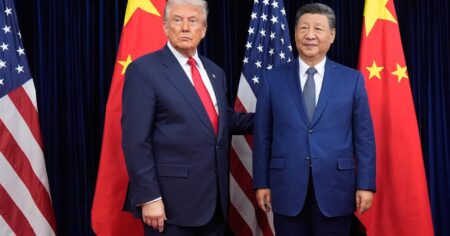
Perhaps the most surprising aspect of Mamdani’s early tenure has been his working relationship with President Donald Trump, despite their vast ideological differences. The political world took notice when the two met at the White House in November, before Mamdani officially took office, where Trump lavished praise on the incoming mayor. This unusual alliance continued with a February meeting focused specifically on housing development issues. On the surface, the friendship seems improbable—a democratic socialist mayor and a billionaire Republican president finding common ground. Yet Mamdani explains the relationship with characteristic directness: both men genuinely love New York City, and both believe their own success is tied to the city’s prosperity. The mayor acknowledges that he and President Trump maintain honest, direct communication about their many disagreements on policy and values. However, they’ve managed to set aside partisan differences when it comes to pursuing improvements for New York. This pragmatic approach has drawn both praise and criticism from various quarters. Some applaud Mamdani for putting the city’s interests above political tribalism and accessing federal resources that could benefit New Yorkers. Others worry that cooperating with Trump normalizes policies and rhetoric they find deeply troubling, potentially compromising the mayor’s progressive principles. For Mamdani, the calculus seems clear: if working with the president can deliver tangible benefits for New York’s working families, the political awkwardness is worth enduring.
Challenges Ahead and Public Opinion
Not everything is harmonious between the mayor and president, however. Mamdani has been outspoken in his opposition to the war in Iran, representing one of the sharpest points of disagreement between the two leaders. The mayor doesn’t mince words, calling his opposition to the conflict a matter of political, economic, and moral necessity. He highlights the stark contradiction in national priorities: the federal government is prepared to spend nearly $30 billion on military operations that will kill thousands of people overseas, yet claims insufficient resources exist to help working-class Americans struggling with basic needs at home. This critique touches on a fundamental tension in American politics—the allocation of resources between military interventions abroad and domestic social programs. For Mamdani, the choice is clear: investments should prioritize the wellbeing of American workers over foreign military adventures. As he approaches the end of his first 100 days, Mayor Mamdani’s approval rating stands at 48%, according to a recent Marist poll—a respectable number for a new mayor still finding his footing. Thirty percent of New York City residents disapprove of his job performance, while 23% remain unsure, suggesting that many New Yorkers are still forming their opinions about their unconventional new leader. These numbers indicate that while Mamdani has energized his progressive base and delivered on some key promises, he faces the ongoing challenge of proving that democratic socialist policies can work at scale in America’s largest city. The coming months will test whether his vision of working-class-centered politics can translate into sustained improvements in New Yorkers’ daily lives—and whether his model might indeed spread beyond the five boroughs to inspire similar movements statewide and nationally.