
New York City Mayor Takes Bold Stand to Protect Immigrants from Federal Enforcement
A Sweeping Declaration of Sanctuary
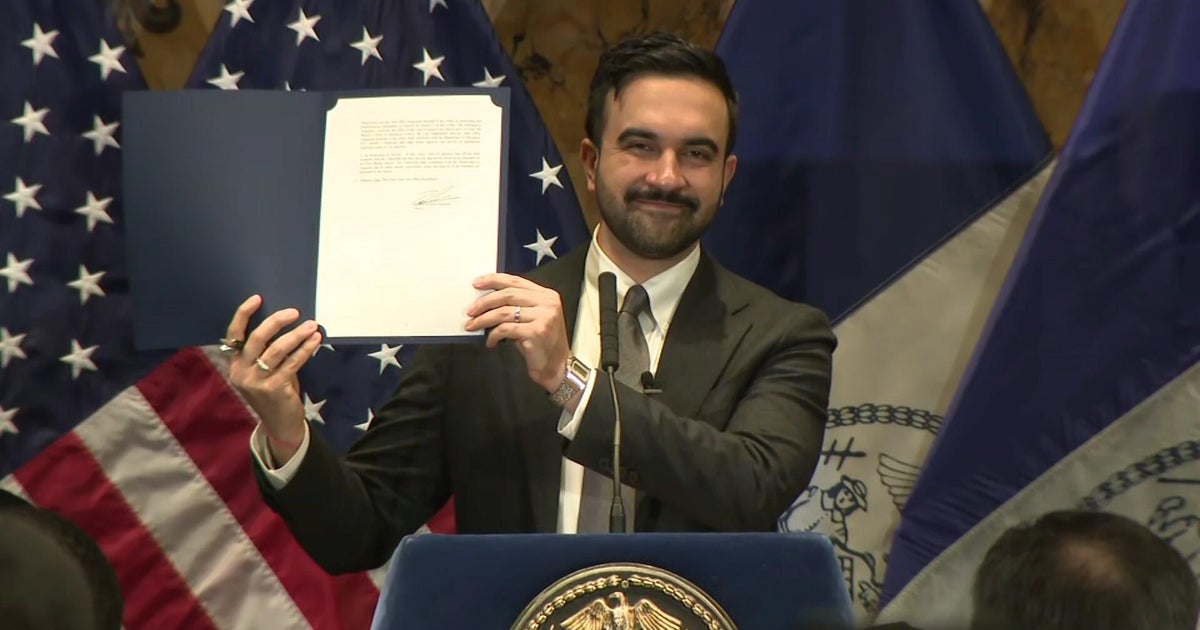
In a powerful statement of defiance against federal immigration policies, Mayor Zohran Mamdani has issued a comprehensive executive order aimed at shielding New York City’s immigrant communities from what he describes as aggressive and abusive enforcement tactics by the Trump administration. The order, signed during an emotional Interfaith Breakfast gathering at the iconic New York Public Library in Bryant Park, represents the mayor’s thirteenth executive action since taking office and marks one of his most significant moves to reinforce the city’s commitment to its sanctuary status. Speaking before a diverse assembly of faith leaders representing communities across all five boroughs, Mamdani characterized Immigration and Customs Enforcement (ICE) not merely as an overzealous agency but as “a manifestation of the abuse of power.” This declaration comes at a time when immigration enforcement operations have become increasingly contentious throughout the Tri-State Area, with neighboring Jersey City’s mayor recently making headlines by demanding that ICE agents “get out and never come back” from his jurisdiction. Mamdani’s order represents a sweeping reaffirmation of New York City’s long-standing position as a welcoming haven for immigrants, regardless of their documentation status, and signals the administration’s willingness to push back against federal authorities in defense of its residents.
Empowering Communities Through Knowledge
Accompanying the executive order, Mayor Mamdani launched an ambitious grassroots education initiative called the “Know Your Rights” campaign, designed to ensure that immigrant New Yorkers understand the legal protections available to them when confronted by federal immigration authorities. This comprehensive outreach effort involves the distribution of more than 30,000 informational flyers printed in multiple languages to reach the city’s extraordinarily diverse population. These materials clearly outline fundamental rights that all individuals possess during encounters with ICE agents, including the constitutional right to remain silent, the right to request legal representation through an attorney, and the right to request an interpreter if language barriers exist. In his address to the faith leaders gathered at the breakfast, Mamdani made a point of urging religious figures to share this critical information broadly within their congregations, emphasizing that even U.S. citizens and those who might not consider themselves likely targets of immigration enforcement should be educated about these protections. This inclusive approach recognizes that immigration enforcement actions often sweep up broader communities and that knowledge of one’s rights serves as a powerful tool against potential overreach or mistaken identity situations. By partnering with faith communities—which have historically served as trusted sources of support and information for immigrant populations—the mayor is leveraging existing networks of care and communication to ensure this vital information reaches those who need it most.
Strict Limitations on Information Sharing
At the heart of Executive Order No. 13 lies a fundamental restriction on how city agencies can interact with federal immigration authorities, establishing clear boundaries designed to protect immigrant residents who interact with municipal services. The order explicitly prohibits city agencies from sharing information that was collected for city purposes with federal immigration enforcement officials, except in circumstances where sharing is absolutely required by existing law. This protection is crucial because it addresses a widespread fear among immigrant communities that accessing basic city services—such as enrolling children in subsidized childcare programs, seeking medical care at public hospitals, reporting crimes to police, or applying for housing assistance—might result in their personal information being turned over to ICE, potentially leading to deportation proceedings. As Mayor Mamdani plainly stated, “No New Yorker should be afraid to apply for city services like child care because they are an immigrant.” To ensure rapid implementation of these protections, the executive order gives each city agency just 14 days to appoint a designated privacy officer responsible for overseeing compliance with the new information-sharing restrictions. This tight timeline reflects the urgency the administration feels about establishing these safeguards quickly, given the current climate of heightened immigration enforcement activity and the very real concerns permeating immigrant communities throughout the city.
Special Requirements for Law Enforcement and Social Service Agencies
Recognizing that certain city agencies have more frequent interactions with vulnerable populations and potentially more contact with federal authorities, Mayor Mamdani’s executive order imposes additional compliance requirements on several key departments. The New York Police Department, Department of Correction, Department of Probation, Administration for Children’s Services, and Department of Social Services are all specifically mandated to conduct comprehensive audits of their internal policies regarding interactions with federal immigration authorities. These agencies must thoroughly review their existing protocols, identify any practices that might conflict with the city’s sanctuary protections, and publicly disclose what changes will be implemented to ensure full compliance with the new order. This transparency requirement is significant because it allows advocates, community organizations, and concerned residents to monitor whether these critical agencies are truly honoring the spirit and letter of the sanctuary protections. Furthermore, the executive order establishes clear restrictions on federal immigration agents’ access to city-owned property, stating that ICE and other federal enforcement personnel may not enter facilities such as parking garages and lots, schools, homeless shelters, hospitals, and other public spaces without obtaining a proper judicial warrant. This provision is designed to prevent the kind of immigration enforcement activities that have caused widespread fear in communities, such as agents stationed outside schools waiting to apprehend parents during drop-off, or raids at shelters where vulnerable individuals seek refuge. Additionally, all city agencies are instructed to provide training to their employees on proper procedures for interacting with federal immigration agents, ensuring that city workers understand both their obligations and the limits of federal authority on city property.
Federal Pushback and Safety Concerns
The Department of Homeland Security wasted no time in condemning Mayor Mamdani’s executive order, issuing a sharply worded statement to CBS News New York arguing that the policy would actually undermine public safety rather than protect it. A DHS spokesperson contended that when local politicians prevent collaboration between local law enforcement and federal immigration authorities, it forces federal agents to maintain “a more visible presence” in communities as they work to locate and apprehend individuals they consider dangerous. According to the federal agency’s perspective, this increased visibility and the resulting enforcement actions become necessary specifically because local jails and law enforcement agencies refuse to cooperate by holding individuals for immigration authorities or sharing information about release dates. The Department of Homeland Security specifically called on Mayor Mamdani to reverse course and turn over to ICE what it claims are “7,113 criminal illegal aliens” currently in New York City’s custody who have active immigration detainers—formal requests from ICE asking local authorities to hold individuals beyond their release date so federal agents can take them into custody. This number and the characterization of these individuals as “criminals” represents the federal government’s argument that sanctuary policies protect dangerous people rather than vulnerable community members, a narrative that immigration advocates strongly dispute by pointing out that many detainers are issued for individuals with minor offenses or no criminal convictions at all.
The Broader Context and Implications
This confrontation between New York City’s mayor and federal immigration authorities reflects a deeper national conflict over immigration policy, local autonomy, and the proper balance between enforcement and humanitarian concerns. Mayor Mamdani’s executive order positions New York City squarely within a growing coalition of sanctuary jurisdictions that have decided to limit cooperation with federal immigration enforcement, arguing that such policies are necessary to maintain trust between immigrant communities and local government, ensure public safety by encouraging all residents to report crimes and cooperate with police without fear, and uphold what these cities view as fundamental human rights and dignity for all residents regardless of immigration status. The clash also highlights the practical tensions inherent in America’s federal system, where local, state, and federal authorities share overlapping jurisdictions and sometimes have fundamentally different priorities and values. For New York City’s millions of immigrants—including both documented and undocumented individuals who contribute enormously to the city’s economy, culture, and social fabric—the executive order represents a meaningful statement that city leadership stands with them and will use available legal tools to resist what they view as unjust enforcement practices. Whether these protections will withstand potential legal challenges, how effectively they will be implemented across dozens of city agencies, and what impact they will ultimately have on both community safety and immigrant wellbeing remains to be seen, but Mayor Mamdani has clearly signaled that New York City intends to live up to its historical role as a gateway for immigrants and a place where newcomers can build lives without constant fear of deportation for themselves or their families.