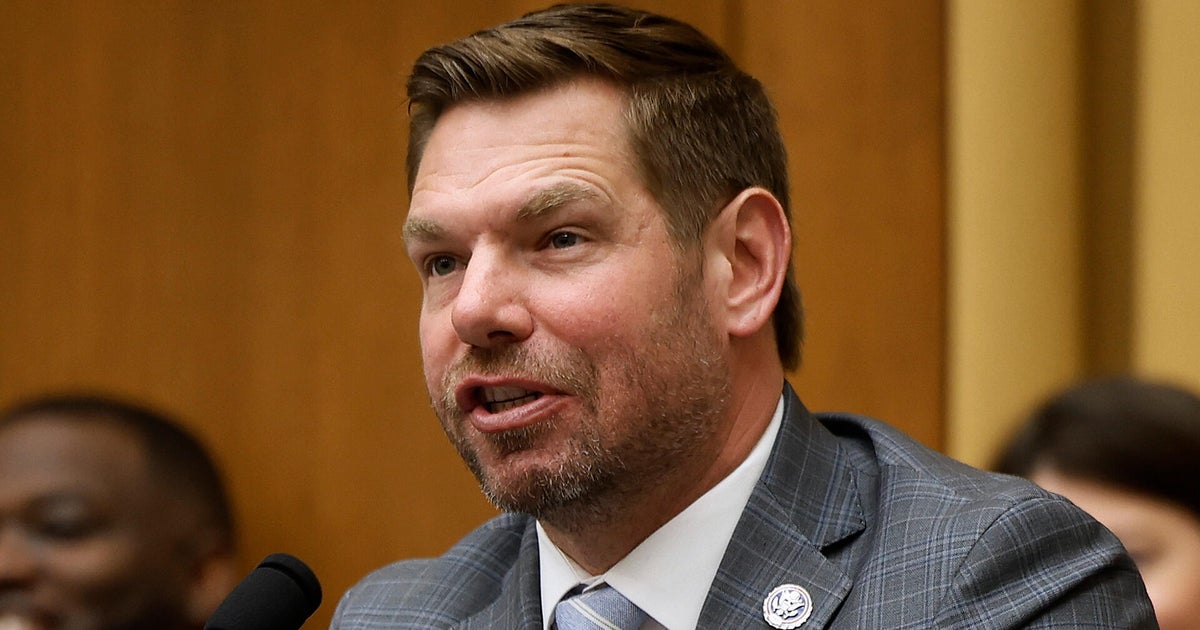

Democratic Congressman Eric Swalwell Faces Sexual Assault Investigation Amid California Governor’s Race
Manhattan DA Opens Investigation Into Serious Allegations
A political earthquake has struck the California governor’s race as prosecutors in New York City have opened an investigation into sexual assault allegations against Democratic Representative Eric Swalwell. The Manhattan District Attorney’s Office confirmed on Sunday that it is actively investigating the claims and has made a public appeal for survivors and anyone with relevant information to come forward. In a statement that underscores the gravity of the situation, a spokesperson assured potential witnesses that “specially trained prosecutors, investigators, and counselors are well-equipped to help you in a trauma-informed, survivor-centered manner.” This development represents a significant escalation in what has quickly become one of the most explosive scandals to hit California politics in recent memory, threatening not only Swalwell’s gubernatorial ambitions but potentially his entire political career spanning nearly two decades.
Former Staffer Details Alleged Pattern of Inappropriate Behavior
The allegations against Swalwell first came to light through reporting by the San Francisco Chronicle on Friday, which published detailed accounts from a former employee of his district office in Castro Valley. The woman, whose identity has been protected by the Chronicle, described what she characterizes as a disturbing pattern of behavior that allegedly began shortly after she was hired. According to her account, Swalwell sent inappropriate photos of himself through Snapchat, repeatedly requested nude photographs of her, and made sexually explicit demands, including asking her to perform oral sex on him in a parking lot. These allegations paint a picture of workplace misconduct that, if true, would represent a serious abuse of power by an elected official over a subordinate employee. The woman’s decision to come forward, despite the potential professional and personal costs, reflects the courage that many survivors must summon when confronting powerful figures, particularly in the political arena where retaliation and disbelief are common concerns.
Two Separate Alleged Incidents Years Apart
Perhaps most troubling are the woman’s allegations regarding two specific incidents that occurred years apart, suggesting a pattern rather than an isolated occurrence. The first incident allegedly took place in September 2019, when the woman was still employed in Swalwell’s office. According to her account, after going out for drinks with the congressman, she woke up naked in his hotel bed with little memory of what had transpired during the night. This allegation raises serious questions about consent and whether she was in a condition to provide it. The second alleged incident occurred five years later in 2024, after she had left Swalwell’s employment. Following a charity gala in New York, the two met for drinks, and the woman again reported becoming highly intoxicated and losing significant portions of her memory from that evening. What she does remember, she says, includes explicitly telling Swalwell “no” and pushing him away while he allegedly forced himself on her. She reported waking the following morning with vaginal bleeding and bruises on her body. The Chronicle verified that it reviewed text messages the woman sent to a friend just three days after this alleged New York incident, in which she explicitly stated she had been “sexually assaulted” by Swalwell. These contemporaneous communications provide what legal experts often consider credible corroboration of her account.
Swalwell Issues Firm Denial and Threatens Legal Action
Facing what could be career-ending allegations, Eric Swalwell has categorically denied any wrongdoing and characterized the accusations as politically motivated attacks designed to derail his gubernatorial campaign. “These allegations are false and come on the eve of an election against the frontrunner for governor,” Swalwell stated, framing the timing as suspicious and suggesting a coordinated effort to damage his candidacy at a crucial moment. The congressman pointed to his professional record, stating, “For nearly 20 years, I have served the public — as a prosecutor and a congressman and have always protected women.” This defense strategy attempts to leverage his history in public service and his background as a former prosecutor to establish credibility and cast doubt on the allegations. Swalwell further indicated that his priority in the coming days would be “to be with my wife and children and defend our decades of service against these lies.” Notably, he has also threatened legal action against his accuser, a move that some observers interpret as an aggressive defense strategy while others view it as a potential attempt to intimidate the woman from pursuing her claims further. This threat of litigation adds another layer of complexity to an already fraught situation, as defamation cases involving sexual assault allegations often become secondary battlegrounds where the focus shifts from the alleged assault to questions about reputation and public statements.
Swift Political Fallout and Calls to End Campaign
The political consequences of these allegations have materialized with remarkable speed, demonstrating how dramatically the landscape around sexual misconduct claims in politics has shifted in recent years. Within hours of the story breaking, House Democratic leadership issued a joint statement calling for both a “swift investigation” into the allegations and for Swalwell to immediately suspend his gubernatorial campaign. House Minority Leader Hakeem Jeffries of New York, along with Whip Katherine Clark of Massachusetts and Caucus Chair Pete Aguilar of California, released a unified statement emphasizing that “this is unacceptable of anyone — certainly not an elected official — and must be taken seriously.” Their statement continued with a firm declaration that “all perpetrators of sexual assault and harassment must be held accountable.” However, it’s notable that these Democratic leaders stopped short of calling for Swalwell’s resignation from Congress itself, limiting their demands to his withdrawal from the governor’s race. This distinction suggests a calculated political response that takes the allegations seriously while perhaps leaving room for due process before demanding the ultimate political consequence of forcing him from his congressional seat.
Potential Expulsion Vote and Broader Implications
The scandal’s impact has extended across the partisan divide on Capitol Hill, with Republican Representative Anna Paulina Luna of Florida announcing her intention to force a vote on expelling Swalwell from the House of Representatives altogether. Such a vote could potentially occur as early as midweek, creating an urgent timeline that would force every member of Congress to take a public position on Swalwell’s fitness to serve. Expulsion from Congress is an extraordinarily rare occurrence, requiring a two-thirds majority vote, but the announcement of such an effort signals how serious the allegations are being treated by some members. This development creates a political minefield for Democrats who must balance their stated commitment to believing survivors and holding perpetrators accountable against the practical political reality that Swalwell’s seat could be vulnerable in a special election. The situation is rippling throughout Capitol Hill and has the potential to directly affect the composition of the House heading into the midterm elections, adding high political stakes to what should fundamentally be a question of justice and accountability. As this investigation proceeds, it will serve as yet another test of whether the political system can appropriately respond to sexual misconduct allegations against powerful figures, and whether the increased awareness around these issues in recent years has translated into meaningful accountability. For the woman who came forward, the road ahead likely involves intensive scrutiny, legal proceedings, and the emotional toll of reliving traumatic experiences in the public eye—a reality that continues to discourage many survivors from reporting their experiences at all.