
Tragic Loss at Sea: Young Marine Dies During Caribbean Operation
A Devastating Loss During Anti-Drug Operations
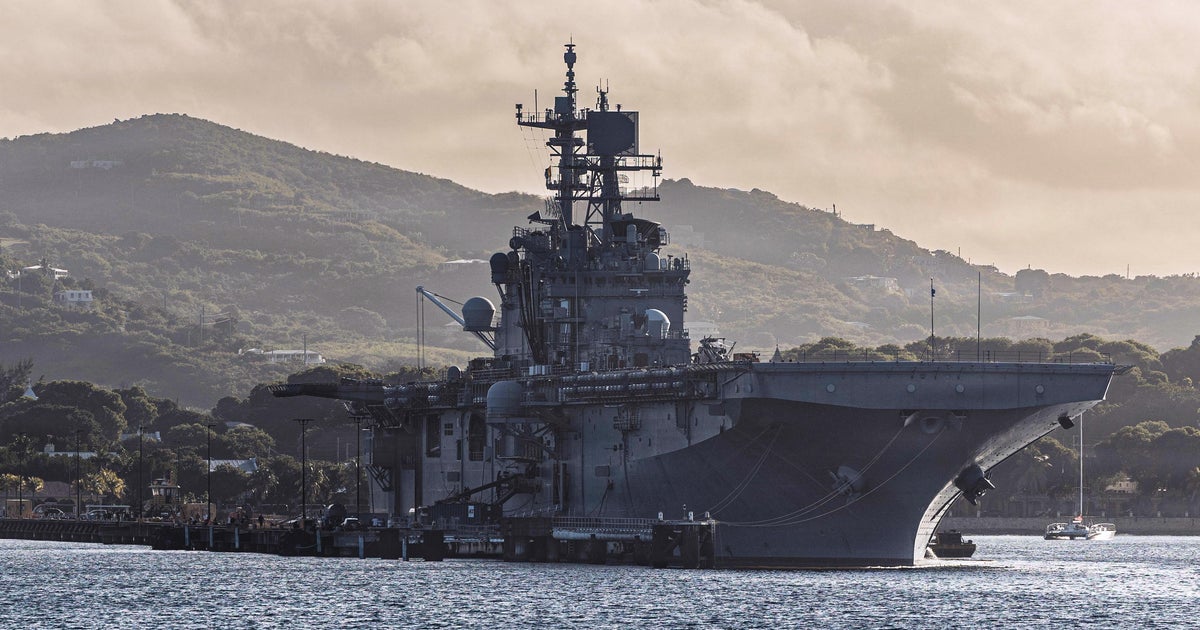
The United States military community is mourning the loss of one of its own following a heartbreaking incident in the Caribbean Sea. Marine Lance Corporal Chukwuemeka E. Oforah, just 21 years old, has become the first known American casualty of “Operation Southern Spear,” a sweeping military initiative aimed at combating drug trafficking in Caribbean and Pacific waters. The young Marine from Florida, who served as an infantry rifleman, fell overboard from the USS Iwo Jima on the evening of February 7th. Despite an extensive and determined search and rescue operation that lasted 72 hours, Lance Corporal Oforah could not be found, and he was officially declared dead on February 10th. The tragic incident has sent shockwaves through the military community and left his family, friends, and fellow service members grappling with an immense loss. The circumstances surrounding how Oforah fell overboard remain unclear, and the Marine Corps has announced that a thorough investigation is currently underway to determine what happened during those fateful moments aboard the vessel.
An Exhaustive Search Effort
When Lance Corporal Oforah was reported missing after falling overboard, the military mobilized a massive search and rescue operation that demonstrated the armed forces’ commitment to leaving no one behind. The search effort was truly multi-faceted and involved coordination across multiple branches of the military, showcasing the integrated nature of modern military operations. According to military officials, the search operation included an impressive array of resources: five U.S. Navy ships scoured the waters, a specialized rigid-hull inflatable boat was deployed for close-range searching, and no fewer than 10 aircraft from the Navy, Marine Corps, and Air Force took to the skies to scan the Caribbean waters from above. For three full days, these assets worked around the clock in hopes of finding the young Marine alive. The Caribbean Sea, while beautiful, can be treacherous, with strong currents, vast expanses of water, and challenging conditions that can make search and rescue operations extremely difficult. Despite the comprehensive nature of the search and the dedication of all personnel involved, the unfortunate reality is that Oforah could not be located, leading to the heartbreaking declaration of his death after 72 hours of searching.
Remembering Lance Corporal Oforah
The military community has rallied together in grief following the loss of this young service member who had his entire life ahead of him. Colonel Tom Trimble, speaking on behalf of the Marine Corps, expressed the profound sadness felt across the ranks. “We are all grieving alongside the Oforah family,” Colonel Trimble stated in an official announcement. His words reflected not just institutional sympathy but genuine human emotion at the loss of a fellow warrior. “The loss of Lance Cpl. Oforah is deeply felt across the entire Navy-Marine Corps team. He will be profoundly missed, and his dedicated service will not be forgotten,” Trimble continued, emphasizing that Oforah’s contributions to his country and his service would be remembered and honored. As an infantry rifleman, Oforah had chosen one of the most demanding and dangerous roles in the military, requiring physical stamina, mental toughness, and unwavering dedication. At just 21 years old, he represented the young men and women who volunteer to serve their country, often placing themselves in harm’s way for causes greater than themselves. While little additional personal information has been released about Oforah to respect his family’s privacy during this difficult time, his status as a Florida native suggests he left behind a community that supported his decision to serve and now mourns his loss.
Understanding Operation Southern Spear
The operation during which Lance Corporal Oforah lost his life represents a significant component of the current administration’s approach to combating transnational crime. Operation Southern Spear was initiated during the Trump administration as a comprehensive military and surveillance campaign designed to detect and disrupt criminal maritime networks operating in waters near the United States. The primary focus of this operation is combating drug trafficking organizations that use sea routes to smuggle narcotics into the United States and throughout the Western Hemisphere. These criminal networks represent a significant threat to national security and public health, contributing to the ongoing drug crisis affecting communities across America. The operation involves multiple branches of the military working in coordination with law enforcement agencies and international partners to monitor vast stretches of ocean, identify suspicious vessels, and interdict drug shipments before they can reach their destinations. Since its inception, Operation Southern Spear has demonstrated both its scope and its intensity. Military officials report that the operation has resulted in scores of deaths—primarily of suspected drug traffickers who have resisted interdiction or attempted to flee—and the sinking of at least 39 vessels suspected of carrying illegal drugs. These vessels have been intercepted in both the Caribbean Sea and the Pacific Ocean, highlighting the multi-theater nature of the operation and the extensive maritime domain that military forces must patrol and secure.
The Broader Context of Military Anti-Drug Operations
The use of military assets in counter-narcotics operations represents a long-standing but sometimes controversial aspect of American defense policy. The military’s role in the war on drugs has evolved over decades, with various administrations emphasizing different approaches and committing different levels of resources to the mission. Supporters of military involvement in anti-drug operations argue that the sophisticated capabilities of the armed forces—including advanced surveillance technology, ships, aircraft, and highly trained personnel—are essential for effectively combating well-funded and heavily armed drug trafficking organizations. These criminal networks often operate with near-military precision and resources, sometimes outgunning local law enforcement agencies in the countries where they operate. Critics, however, have raised concerns about the militarization of what they view as fundamentally a law enforcement and public health issue, questioning whether military force is the most effective or appropriate tool for addressing drug trafficking. The human cost of these operations, now tragically illustrated by Lance Corporal Oforah’s death, adds another dimension to these ongoing debates. While the vast majority of casualties in Operation Southern Spear have been among suspected traffickers, the loss of an American service member reminds us that these missions carry real risks for military personnel who may not have anticipated participating in law enforcement-style operations when they enlisted.
Honoring Service and Ensuring Safety
As the military community processes this loss and as investigators work to determine exactly what happened aboard the USS Iwo Jima that evening, important questions about safety protocols and risk management in these operations will undoubtedly arise. Modern naval vessels implement numerous safety measures designed to prevent personnel from accidentally going overboard, and when someone does fall into the water, rapid response procedures are activated immediately. The fact that Oforah was reported as falling overboard rather than jumping suggests this was likely a tragic accident rather than an intentional act, though the investigation will determine the precise circumstances. Maritime operations inherently carry risks—the ocean is an unforgiving environment where even routine activities can become dangerous if something goes wrong. The Marine Corps and Navy will likely review this incident carefully to determine if any additional safety measures or procedural changes might prevent similar tragedies in the future. Meanwhile, Lance Corporal Chukwuemeka E. Oforah will be remembered not for how he died but for his willingness to serve his country. At 21, he made the choice that relatively few Americans make—to put on a uniform, undergo demanding training, and place himself in potentially dangerous situations for the benefit of his fellow citizens. His service aboard the USS Iwo Jima as part of an operation aimed at protecting Americans from the scourge of drug trafficking represents a commitment to something larger than himself. As his family, friends, and fellow Marines mourn his passing, they can take some measure of comfort in knowing that his sacrifice and service will be remembered and that he died while serving a cause he believed in. The loss of any service member is a reminder of the very real costs of military operations, even those conducted during peacetime, and underscores the debt of gratitude owed to those who volunteer to serve.