
Baltimore’s Remarkable Transformation: A City Fighting to Reclaim Its Future
The Challenge of Urban Decay and Its Connection to Crime
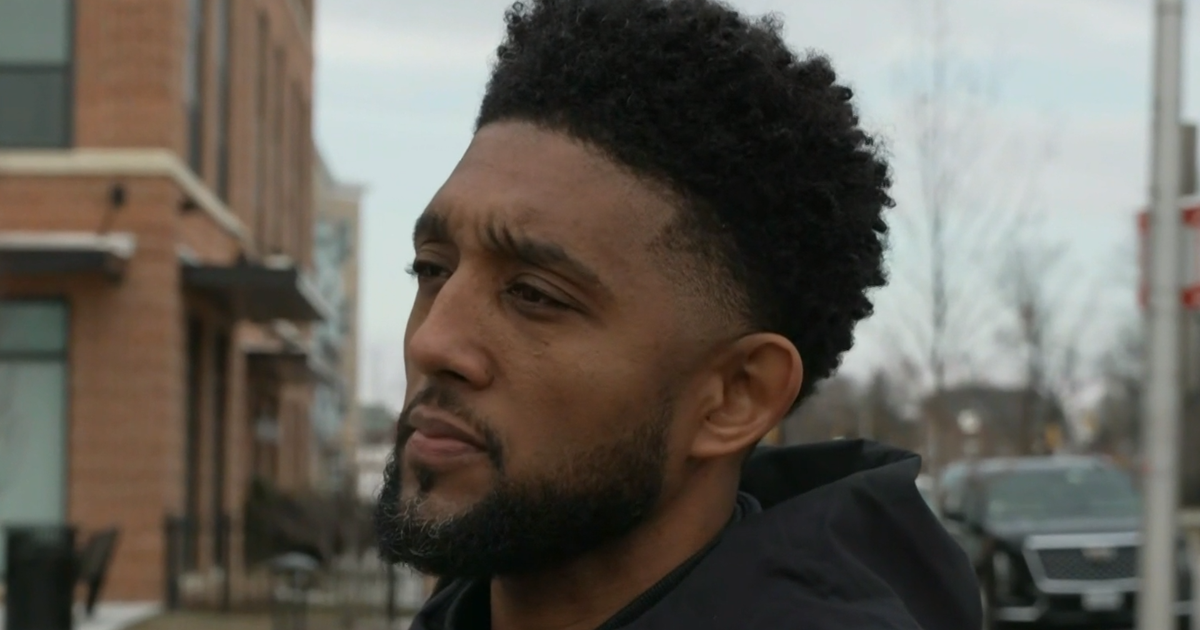
Walking through certain neighborhoods in Baltimore alongside Mayor Brandon Scott reveals a stark reality that many American cities face: thousands of deteriorating row houses stand empty, their windows boarded up, serving as silent monuments to decades of urban decline. These abandoned structures tell the story of a city that has watched its population and businesses gradually drift away, leaving behind a landscape marked by neglect and decay. Mayor Scott, who has led the city since 2020, doesn’t shy away from acknowledging this visible problem. He understands the psychology of urban blight all too well – when buildings sit vacant and deteriorating, they send a powerful signal that nobody cares about the neighborhood. This perceived abandonment creates an invitation for criminal activity to take root. Empty buildings become havens for illegal activities, and the overall atmosphere of neglect can make law-abiding residents feel forgotten and unsafe. The relationship between physical decay and social disorder isn’t just theoretical; it’s something residents experience daily in affected neighborhoods. However, Mayor Scott insists that what visitors see in some areas doesn’t tell the complete story of Baltimore today. Beneath the surface challenges, he argues, a transformed city is emerging with measurable improvements that deserve recognition.
The Numbers Tell a Story of Progress
Baltimore’s recent history includes some dark chapters that the city is now working hard to close. In 2019, the city experienced its highest murder rate ever recorded, earning Baltimore the unfortunate distinction of having one of the nation’s worst homicide rates. That year marked a low point that demanded urgent action and fundamental changes in approach. Since then, the city has implemented comprehensive strategies that are producing remarkable results. According to city data, the number of vacant buildings has decreased by 25% – a significant achievement considering the scale of the problem. Even more encouraging, Baltimore’s population actually grew in 2024, reversing a long-term trend of residents leaving for surrounding areas or other cities entirely. Population growth is often considered one of the most reliable indicators of urban health, as people vote with their feet, choosing to live in places they believe have a future. Most dramatically, murders have fallen to their lowest level in nearly fifty years, representing a profound shift in public safety. This isn’t just a marginal improvement or statistical anomaly – it represents a fundamental change in the city’s trajectory and the daily lived experience of Baltimore residents who have endured years of violence in their communities.
A Long-Term Vision for Physical Renewal
Mayor Scott’s administration has developed an ambitious, comprehensive plan to address the vacant building crisis that has plagued Baltimore for generations. This isn’t a quick fix or cosmetic solution, but rather a serious, sustained commitment to neighborhood-by-neighborhood renewal. The strategy spans 15 years with a budget of $3 billion, taking a systematic “block by block” approach to dealing with vacant properties throughout the city. This methodical strategy recognizes that the problem didn’t develop overnight and won’t be solved overnight either. Some buildings can be rehabilitated and returned to productive use, providing much-needed housing in a city where affordable options are scarce. Others are beyond saving and need to be demolished to make way for new construction that better serves current community needs. The plan also addresses the secondary effects of blight, such as illegal dumping that tends to accumulate in neglected areas. During a walk with CBS News, Mayor Scott spotted illegally dumped trash and within minutes, crews arrived to clean it up – a small but symbolic demonstration of the city’s commitment to rapid response and maintaining standards. Beyond just removing blight, the strategy includes promoting new housing construction in areas that are ready for revitalization, creating a positive cycle where investment attracts more investment and residents return to neighborhoods they had previously written off.
The Partisan Divide Over Baltimore’s Reality
Not everyone agrees with Mayor Scott’s assessment of Baltimore’s progress. President Trump has maintained a much darker view of the city, famously declining an invitation from Maryland’s Democratic Governor Wes Moore to tour Baltimore’s streets and see the improvements firsthand. In August 2025, Trump bluntly stated, “I’m not walking in Baltimore right now. Baltimore is a hellhole.” This characterization stands in sharp contrast to the data showing declining crime and increasing investment. Trump has even suggested sending in the National Guard to address Baltimore’s problems, similar to interventions he has proposed or implemented in other cities he views as troubled. During his State of the Union address, the President took credit for the nationwide reduction in murder rates, implicitly including Baltimore’s improvements among federal accomplishments. This political dimension complicates Baltimore’s efforts to update its reputation, as the city becomes a talking point in broader debates about Democratic urban governance, federal versus local authority, and which narrative about American cities should prevail. Mayor Scott’s response to Trump’s characterization was diplomatic but firm: “Baltimore’s responsible for Baltimore. We have a strategy.” This assertion of local ownership over the city’s problems and solutions reflects a belief that Baltimore’s residents and leadership understand their challenges better than distant federal officials and that sustainable change must come from within the community rather than being imposed from outside.
Targeted Approaches to Violence Reduction
Beyond addressing the physical environment, Baltimore’s crime reduction strategy includes focused interventions targeting those most likely to commit gun violence. This approach represents a shift from traditional broad enforcement to more precise, data-driven methods that concentrate resources where they can have the greatest impact. Research has consistently shown that a relatively small number of individuals are responsible for a disproportionate amount of violent crime in any given city. By identifying and intervening with these high-risk individuals – through a combination of law enforcement attention, social services, mentorship programs, and community engagement – cities can achieve significant reductions in violence without massive increases in incarceration. This targeted approach also helps build trust with communities that have historically experienced policing as indiscriminate and oppressive. When interventions are focused on those genuinely posing the greatest risk, rather than casting wide nets that catch many innocent people, community members are more likely to view public safety efforts as legitimate and necessary rather than as harassment. The success of this strategy in Baltimore – evidenced by the dramatic drop in murders – suggests that the city has found approaches that actually work, not just politically appealing talking points. These results matter enormously to residents who have lost loved ones to violence or who have lived with the daily stress of gunfire in their neighborhoods.
Baltimore’s Bid to Become America’s Greatest Comeback Story
Mayor Scott’s vision for Baltimore extends beyond simply solving problems to fundamentally reimagining how the city is perceived both by its own residents and by the outside world. He speaks of Baltimore becoming “the greatest comeback story in the country” – an ambitious claim that reflects both pride in progress made and recognition of how far perceptions must shift. For decades, Baltimore has been associated with the problems portrayed in shows like “The Wire” – drugs, violence, corruption, and decay. These images, while based in real challenges, have calcified into stereotypes that don’t capture the full complexity of the city or acknowledge positive changes. The mayor’s emphasis on collaboration – “we are doing all of this together” – highlights the importance of collective effort and shared ownership of both problems and solutions. Baltimore’s comeback, if it succeeds, won’t be the result of any single policy or leader but rather the accumulated efforts of residents, businesses, community organizations, and government working in concert toward shared goals. The physical transformation of neighborhoods, the return of population growth, and the dramatic reduction in violence provide concrete evidence that change is possible even in cities that have faced decades of decline. Whether Baltimore can fully overcome its reputation challenges remains to be seen, but the recent trajectory suggests that dismissing the city as a “hellhole” ignores meaningful progress that has improved thousands of lives. The coming years will reveal whether these improvements can be sustained and expanded, or whether they represent a temporary uptick in a city still struggling with fundamental challenges. For now, Mayor Scott and many Baltimore residents are choosing optimism grounded in measurable achievements rather than resignation to narratives of permanent decline.