
The Tragic Loss of American Lives in Kuwait: A Story of Inadequate Protection
The war between the United States, Israel, and Iran has claimed its first American casualties, and the circumstances surrounding their deaths have raised serious questions about military preparedness and troop safety. In what has become a sobering moment for the nation, at least six U.S. service members lost their lives when an Iranian drone struck a tactical operations center at the Shuaiba port in Kuwait. This attack occurred amid escalating tensions and widespread Iranian missile and drone strikes across the Persian Gulf region, following coordinated U.S.-Israeli operations against Iran that began early Saturday. The loss of these service members marks a devastating milestone in what the military has designated as Operation Epic Fury, and their deaths have sparked difficult conversations about whether these brave Americans were given adequate protection as they carried out their nation’s mission thousands of miles from home.
What Happened: The Fatal Strike That Changed Everything
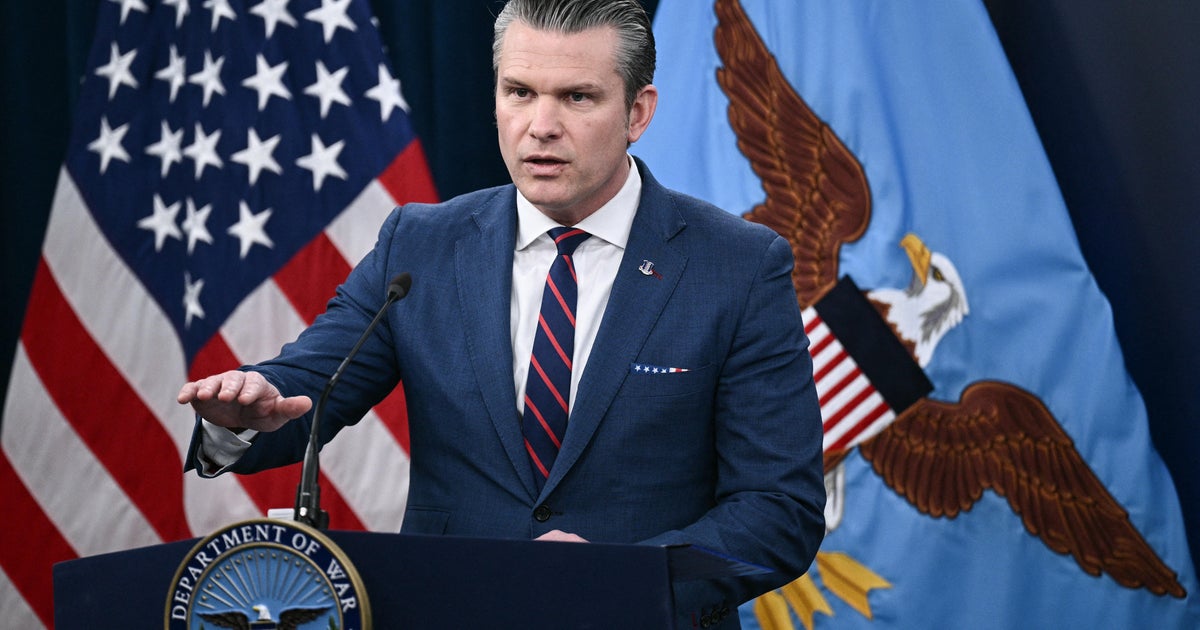
According to three U.S. military officials with direct knowledge of the incident, the attack came without warning for many of those inside the operations center. Defense Secretary Pete Hegseth described the weapon that killed the Americans as a powerful Iranian munition that managed to penetrate both air defenses and the building’s fortifications—what military personnel call a “squirter” that slips through defensive systems. However, preliminary assessments suggest the weapon was likely a one-way attack drone, possibly a Shahed-136 “kamikaze” drone that Iran is known to use. The strike appears to have hit directly from above, landing dead-center on top of the structure with devastating precision. The impact was so severe that fires engulfed the building, making the immediate recovery of the fallen service members’ bodies extremely difficult and adding another layer of tragedy to an already heartbreaking situation. Beyond the six killed in Kuwait, at least 18 other service members had suffered serious wounds as of Monday morning, underscoring the intensity and danger of the current operations.
The Controversial Question of Adequate Protection
While Defense Secretary Hegseth characterized the operations center as “fortified,” military officials on the ground paint a very different picture of the facility where these Americans lost their lives. The tactical operations center wasn’t a hardened bunker or reinforced structure—it was essentially a triple-wide trailer converted into office space, a common but vulnerable setup at U.S. bases abroad. The only protection provided consisted of T-walls, which are 12-foot-tall barriers made of steel-reinforced concrete designed to shield personnel from ground-level explosions, rocket attacks, and shrapnel. While T-walls are effective against certain threats, they offer virtually no protection against overhead strikes. It’s the equivalent of having strong walls around a building but no roof to protect from attacks from above. Two officials confirmed to CBS News that the Iranian drone appeared to strike directly on top of the building, exactly where the T-walls could provide no defense. This gap between the Pentagon’s characterization of the facility as “fortified” and the reality described by those on the ground has become a point of serious concern and has raised questions about transparency and accountability in how military leadership discusses troop safety.
The Warnings That Went Unheeded
Perhaps most troubling are the revelations that concerns about the operations center’s vulnerability were raised before the fatal attack occurred. Three officials, speaking anonymously because they weren’t authorized to speak publicly, revealed that there had been discussions on the ground about whether the tactical operations center should even be used at all. The concern was straightforward and prescient: the facility concentrated too many American troops in a single location that couldn’t be adequately defended against the types of attacks that were becoming increasingly common in the region. Additionally, two sources told CBS News that they didn’t recall hearing the warning sirens that typically sound when counter-battery systems detect incoming enemy fire. While these sirens had been working throughout the week leading up to the attack, there was a critical flaw—in previous incidents, drones had already breached the base perimeter before the alarm would sound, rendering the warning system nearly useless. Even more concerning, two sources revealed that there was no American counter-rocket, artillery, and mortar system at Shuaiba port capable of bringing down incoming drones or other deadly weapons. While Kuwait had some interceptors in the vicinity, it remains unclear whether they were deployed during this attack. Military personnel had requested additional capabilities to defeat incoming drones, but those resources never arrived. As one source put it bluntly: “We basically had no drone defeat capability.”
The Human Cost: Remembering the Fallen
Beyond the tactical discussions and the questions about preparedness, there are six American families who will never again see their loved ones come home. These weren’t just statistics or casualties of war—they were real people with families, dreams, and futures that were cut tragically short. Defense Secretary Hegseth called them “the absolute best of America,” words that acknowledge their sacrifice but cannot diminish the pain of their loss. One of the military sources who spoke with CBS News expressed the sentiment that many are feeling: “I’m sorry for their families’ losses. They were nice people doing what their nation asked of them.” This simple statement captures the heartbreaking reality—these service members were following orders, serving their country, and trusting that the military would provide them with adequate protection. They were doing their jobs in difficult and dangerous circumstances, and whether through oversight, resource constraints, or miscalculation, the systems meant to keep them safe failed. Their deaths serve as a stark reminder that behind every military operation are human beings who deserve the best protection and support their nation can provide.
The Broader Context: Operation Epic Fury and Rising Tensions
The attack on Shuaiba port didn’t happen in isolation—it’s part of a rapidly escalating conflict between the United States, Israel, and Iran that has engulfed the Persian Gulf region. Since the U.S. and Israel began striking Iranian targets early Saturday, several U.S.-allied countries in the region have faced intense Iranian missile and drone attacks in retaliation. The military operation, designated Operation Epic Fury, represents a significant escalation in tensions that have been building for years. Kuwait, along with other Gulf nations, has found itself on the front lines of this conflict, hosting American military personnel and facilities that have now become targets for Iranian aggression. The death of these six Americans marks a sobering turning point—the first U.S. service members to die in what has evolved into a direct military confrontation with Iran. The fact that at least 18 additional service members have been seriously wounded indicates that the threat remains active and dangerous. As the operation continues, questions about force protection, resource allocation, and strategic decision-making will only intensify, particularly as more families anxiously await news of their loved ones serving in harm’s way.
Looking Forward: Honoring Sacrifice Through Accountability
As Defense Secretary Hegseth stated, “May we prosecute the remainder of this operation in a manner that honors them.” Honoring these fallen Americans means more than words—it requires honest examination of what went wrong and concrete steps to ensure other service members don’t face the same fate. The discrepancies between official Pentagon statements and accounts from military officials on the ground suggest a need for greater transparency and accountability. If troops were concentrated in an indefensible location, if adequate defensive systems weren’t in place, if requests for protective resources went unfulfilled—these failures must be acknowledged and corrected. The families of the fallen deserve answers, and the service members still in harm’s way deserve better protection. This tragedy should prompt serious questions about how the military assesses risk, allocates defensive resources, and makes decisions about where personnel are stationed and how they’re protected. As the conflict with Iran continues, military leadership must ensure that every possible measure is taken to safeguard American lives. The six service members who died at Shuaiba port answered their nation’s call and paid the ultimate price; the very least their country owes them is a commitment to learning from this tragedy and doing better for those who continue to serve.