
Understanding the Minneapolis ICE Incident: A Call for Accountability and Clear Guidelines
Introduction: A Crisis of Public Trust
The recent events in Minneapolis involving Immigration and Customs Enforcement (ICE) have sparked serious concerns about federal law enforcement practices and the proper use of force. Senator Rand Paul of Kentucky, who chairs the relevant committee, has been at the forefront of demanding answers and accountability from ICE and Department of Homeland Security officials. In a candid interview with “CBS Mornings” on Wednesday, Senator Paul didn’t mince words about the gravity of the situation, acknowledging that public trust in ICE and its officials has been severely damaged by what transpired in Minneapolis. While he noted that there appears to be “fault on both sides” in this troubling incident, the senator made it clear that federal agencies must be held to the highest standards when it comes to the use of force against American citizens. This incident has raised fundamental questions about when it’s appropriate for federal agents to draw their weapons, when they should fire them, and what consequences should follow when things go terribly wrong.
The Need for Transparent Answers and Proper Protocols
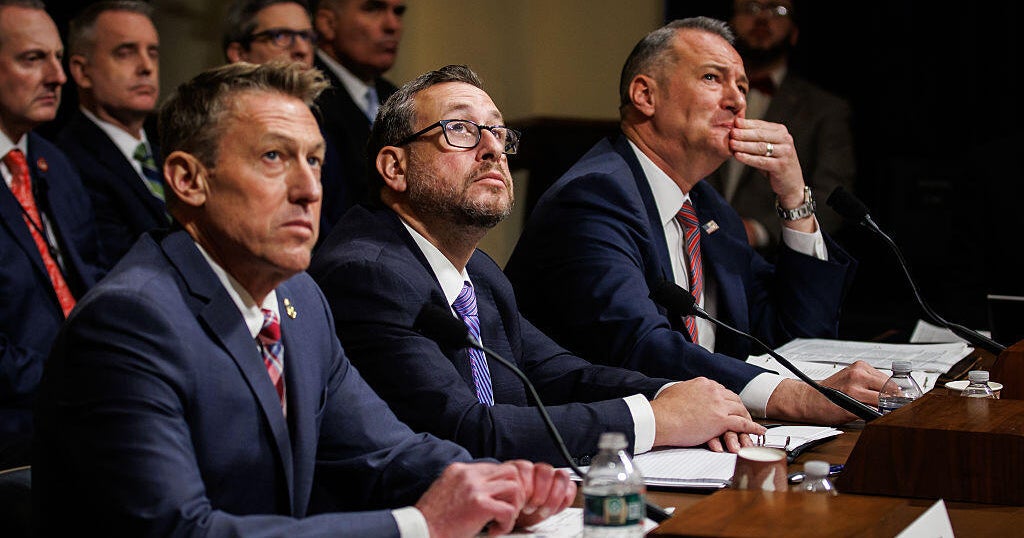
Senator Paul has outlined a clear agenda for the upcoming hearings, emphasizing that the committee needs to hear from all parties involved in the Minneapolis incident. However, his most pointed questions are reserved for the leadership of ICE and the Department of Homeland Security. The senator is demanding concrete answers about what constitutes proper use of force within these agencies. He wants to know the specific circumstances under which agents should draw their firearms and, more critically, when they should actually discharge them. These aren’t abstract policy questions – they’re fundamental issues that directly affect the safety and civil liberties of American citizens. Paul has made it abundantly clear that if the heads of these agencies attempt to dodge these questions or refuse to provide straightforward answers, there will be serious consequences. The senator’s frustration is palpable when he references testimony from earlier in the week during House hearings, which he characterized as “mostly side-stepping.” This kind of evasive testimony is precisely what Paul wants to avoid in his committee’s investigation, as the American people deserve clear, honest answers about how federal law enforcement agencies operate on their streets.
The Importance of Accountability and Proper Response
One of Senator Paul’s most powerful points addressed how agencies should respond when something goes wrong. He emphasized that when “a mistake of this magnitude happens,” the immediate response from leadership should include several key elements: a sincere apology, expressions of regret and sadness for what occurred, and most importantly, a concrete plan for improvement. The senator believes that agency leaders must clearly articulate their policies and demonstrate how they will ensure those policies are properly enforced going forward. This isn’t just about public relations or damage control – it’s about rebuilding the broken trust between federal law enforcement and the communities they serve. Interestingly, Paul did acknowledge that Tom Homan, the White House border czar who has assumed operational control in Minnesota, has been “doing better” in terms of his response to the crisis. This suggests that at least some officials are taking the situation seriously and making efforts to address the problems, though clearly much more work needs to be done across the board to restore confidence in these agencies.
Public Rights and Reasonable Expectations
Senator Paul also raised important questions about what ordinary citizens can reasonably expect when interacting with federal immigration enforcement officers. His questions cut to the heart of constitutional rights and the boundaries of acceptable law enforcement behavior. Should Americans worry about being shot if they attend a rally while legally carrying a weapon for which they have a proper license? Could someone be fired upon simply for raising their voice at ICE officers? What about making hand gestures – could that provoke deadly force? These aren’t hypothetical scenarios designed to inflame tensions; they’re practical questions that Americans need answered so they can understand how to exercise their First and Second Amendment rights without putting themselves at risk of being shot by federal agents. The fact that these questions even need to be asked demonstrates how far the relationship between ICE and the public has deteriorated. Citizens should have a clear understanding of the rules of engagement when it comes to interactions with federal law enforcement, and those rules should be based on constitutional principles, not the arbitrary judgment of individual agents in the heat of the moment.
The Broader Implications for Federal Law Enforcement
This incident in Minneapolis and the subsequent investigation represent more than just a single unfortunate event – they highlight systemic issues within federal law enforcement agencies regarding training, oversight, and accountability. The “loss of public trust” that Senator Paul mentioned doesn’t happen overnight or because of a single incident. It’s the result of patterns of behavior, lack of transparency, and insufficient accountability when things go wrong. The senator’s insistence on getting straight answers about use-of-force policies reflects a growing concern among both lawmakers and citizens that federal agencies have become too insulated from oversight and too quick to resort to aggressive tactics. The American system of government is built on the principle that even law enforcement must operate within clearly defined boundaries and be accountable to the people they serve. When agencies “side-step” questions during congressional testimony, they’re not just being evasive with politicians – they’re avoiding accountability to the American people. This erosion of accountability poses a threat to civil liberties and the rule of law that extends far beyond immigration enforcement.
Moving Forward: The Path to Reform and Restored Trust
As the committee prepares for its hearings, Senator Paul’s approach suggests a balanced but firm stance on seeking accountability while also recognizing complexity. His acknowledgment of “fault on both sides” indicates a willingness to examine the complete picture rather than simply casting blame in one direction. However, this balanced approach doesn’t diminish his insistence on clear answers and concrete reforms from federal agencies. The path forward requires several key elements: transparent policies that are publicly available and clearly communicated, proper training that emphasizes de-escalation and respect for constitutional rights, meaningful accountability when policies are violated, and leadership that responds to serious incidents with humility and a genuine commitment to improvement rather than defensiveness and evasion. The American people have a right to expect that federal law enforcement agencies will protect both national security and individual liberties, and that when mistakes happen, there will be honest acknowledgment, appropriate consequences, and systemic changes to prevent recurrence. Senator Paul’s determination to get answers and establish clear guidelines represents an important step in restoring the trust that has been lost and ensuring that federal agencies operate with the transparency and accountability that democratic governance requires. The upcoming hearings will reveal whether agency leadership is ready to embrace this accountability or whether they will continue the pattern of evasion that has only deepened the crisis of public confidence.