
Senator Mitch McConnell Released From Hospital After Week-Long Stay
A Cautious Hospitalization and Hopeful Recovery
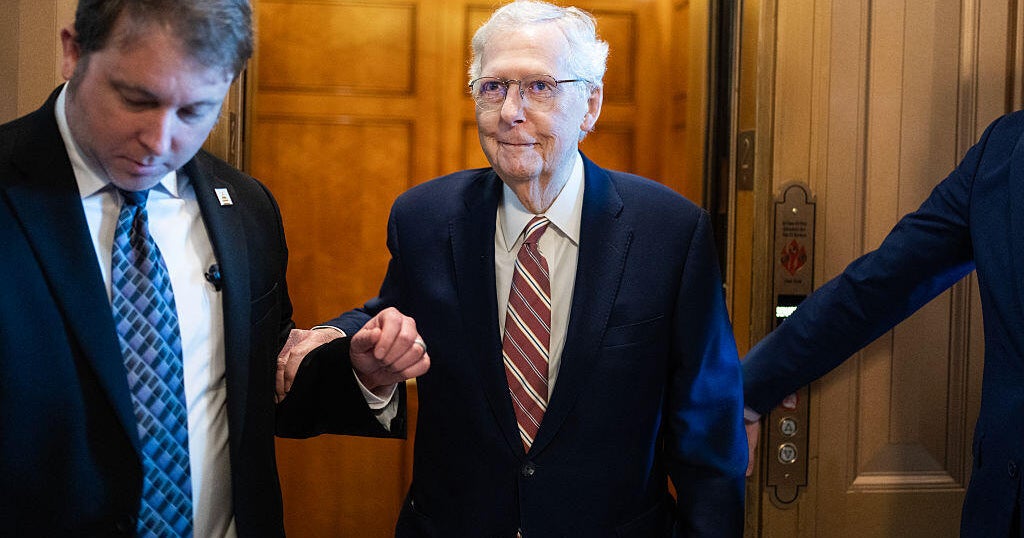
Senator Mitch McConnell, the longtime Republican leader from Kentucky, has been released from the hospital after spending more than a week receiving medical care for what his team initially described as “flu-like symptoms.” The news of his discharge came on Wednesday, bringing relief to colleagues and constituents who had been following his condition with concern. According to his spokesman, the 83-year-old senator is now recuperating at home and feeling considerably better than when he first checked himself into the facility. While he won’t be returning to the Capitol immediately, McConnell plans to continue his legislative work remotely this week, following medical advice to take things slowly as he regains his strength.
The decision to seek hospital care on February 3rd was made out of what his office called “an abundance of caution”—a phrase that suggests McConnell and his medical team wanted to be proactive rather than risk any complications. His spokesman emphasized at the time that the senator’s prognosis was positive, a reassuring message designed to quell any speculation about more serious underlying health issues. This approach reflects the reality that for someone of McConnell’s age and medical history, what might seem like routine flu symptoms to a younger person can quickly become something more concerning, requiring professional monitoring and care in a controlled environment.
Missing Key Votes During a Critical Time
McConnell’s absence from the Senate floor has been notable, particularly given the timing. The last time he cast a vote was on January 30th, when the Senate approved a massive funding package that addressed most of the government’s financial needs through September. That vote was crucial in keeping the majority of federal operations running smoothly. However, his hospitalization meant he was unable to participate in the intense negotiations and voting that followed, as Congress grappled with a partial government shutdown that lasted four days. Now, with McConnell still recovering at home, the Senate faces yet another pressing deadline: Friday’s cutoff for funding the Department of Homeland Security, which remains the sole government agency without secured funding through the end of the fiscal year. His absence during these critical moments underscores both the demanding nature of Senate work and the importance of having experienced leaders present during high-stakes legislative battles.
A Long History of Health Challenges
For those who have followed McConnell’s career, concerns about his health are unfortunately not new. The senator’s medical challenges began in childhood when he survived polio, a disease that once paralyzed thousands of children across America before the development of effective vaccines. That early health battle shaped his life and, by his own account, taught him resilience and determination. In more recent years, however, he has faced several frightening incidents that have raised questions about his ability to continue serving in one of the nation’s most demanding political positions. The most serious occurred in 2023, when he was hospitalized after suffering a concussion from a fall. That incident kept him away from the Senate for weeks and sparked widespread discussion about the risks faced by aging lawmakers.
Even more concerning to many observers were two separate instances later in 2023 when McConnell appeared to freeze mid-sentence during public appearances. These unsettling moments, captured on camera and widely shared, showed the senator suddenly stopping while speaking, staring blankly ahead, and appearing unable to respond to colleagues trying to assist him. While his office attributed these episodes to lightheadedness and dehydration, they nonetheless fueled speculation about possible neurological issues or the aftereffects of his earlier concussion. Then, in 2024, McConnell experienced yet another fall that resulted in minor injuries. While these injuries were described as less serious than his 2023 concussion, the pattern of falls raised legitimate concerns about his balance, mobility, and overall physical condition.
The Decision to Step Back
Perhaps recognizing the toll that decades of public service and recent health issues have taken, McConnell made a significant announcement last year that marked the beginning of the end of an era in American politics. He declared that he would not seek reelection in 2026, a decision that will close the book on a Senate career spanning more than 40 years. This announcement was particularly meaningful because McConnell has been one of the most influential and polarizing figures in modern American politics, serving as Senate Majority Leader and later Minority Leader, shaping legislation, judicial appointments, and the direction of the Republican Party itself. His decision not to run again allows him to finish his current term without the pressures of campaigning while also giving his party time to prepare for a leadership transition.
McConnell’s four decades in the Senate have witnessed tremendous changes in American politics, technology, and society. He has been a master tactician, known for his strategic thinking and willingness to play the long game in pursuit of conservative policy goals. His role in reshaping the federal judiciary, including his controversial decision to block President Obama’s Supreme Court nominee Merrick Garland while later rushing through President Trump’s nominee Amy Coney Barrett, will be debated by historians for generations. Whether admired or criticized, there’s no denying that McConnell has left an indelible mark on the institution and the country. His upcoming retirement will create a significant void in Republican leadership and change the dynamics of Senate operations.
Looking Ahead: Recovery and Remaining Work
As McConnell recovers at home this week, he faces the dual challenge of regaining his health while remaining engaged with the critical work still before the Senate. Working remotely is certainly possible in today’s digital age, but it’s not the same as being physically present in the Capitol, where so much legislative work happens through informal conversations, quick meetings, and the ability to read the room during debates. His staff and colleagues will likely keep him informed and seek his input on major decisions, particularly regarding the looming Department of Homeland Security funding deadline. However, his absence also provides an opportunity for other Republican senators to step up and demonstrate their own leadership capabilities, perhaps previewing what Senate Republican dynamics might look like after McConnell’s eventual departure from office.
The senator’s current health situation also serves as a broader reminder of the challenges facing an aging Congress. Many of America’s most powerful lawmakers are in their 70s and 80s, raising questions about succession planning, the demands of modern political life, and whether the institution needs to adapt to better support older members while also creating pathways for younger voices. For now, though, the immediate focus remains on McConnell’s recovery and his ability to fulfill his duties for the remainder of his term. His spokesman’s statement that he is “feeling better” offers hope that this latest health scare will be behind him soon, allowing him to return to the Senate and continue the work he has dedicated his life to, even as he prepares for the next chapter beyond Capitol Hill.