
Montana Congressman Ryan Zinke Announces Retirement from Congress
A Difficult Decision After Years of Service
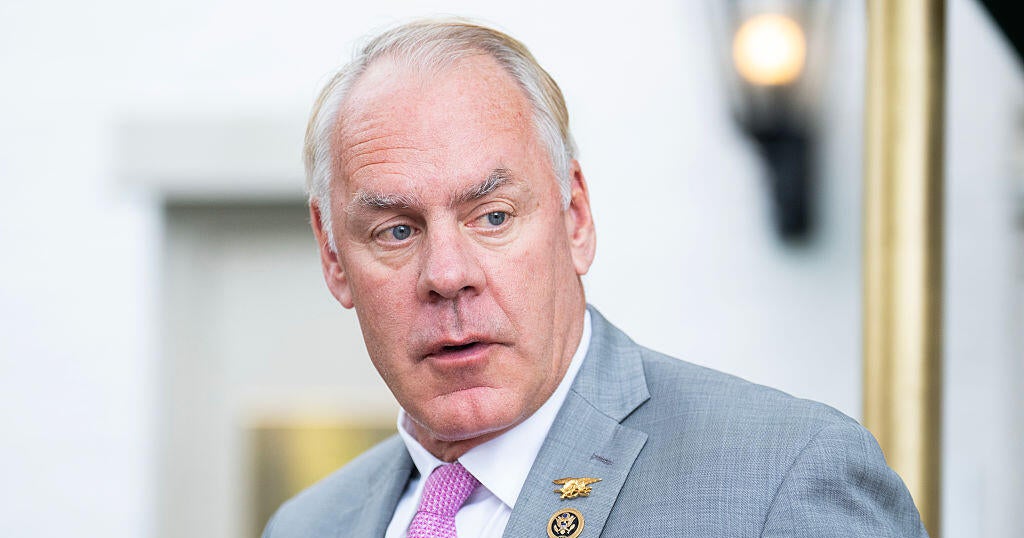
Montana Representative Ryan Zinke made headlines this Monday with his announcement that he will not be seeking reelection, marking another significant departure from the Republican ranks as the party faces what many political analysts are calling a challenging midterm election cycle. In a heartfelt letter to his constituents and colleagues, Zinke explained that this wasn’t a decision he came to easily or quickly. He made sure to personally inform President Trump, Montana’s Governor, and senior Republican leadership before making the announcement public, showing respect for the political relationships he’s built throughout his career. “I have made the decision to leave office at the end of my fourth term and not seek re-election,” Zinke wrote, acknowledging the weight of this choice. “I do not take this decision lightly and have informed President Trump, the Governor, and senior leadership of this difficult but necessary decision.” His announcement adds to a growing list of Republican lawmakers choosing to step away from Congress, a trend that’s raising eyebrows and concerns within the party as they navigate an increasingly complicated political landscape.
Health Concerns Take Priority
The primary reason behind Zinke’s retirement isn’t political burnout or disillusionment with Washington—it’s something far more personal and pressing. The congressman revealed that his body is bearing the accumulated toll of his years serving as a Navy SEAL, one of the most physically demanding roles in the American military. These aren’t minor aches and pains that can be managed with over-the-counter medication; Zinke has been dealing with serious injuries that require surgical intervention. What makes his situation particularly challenging is that he’s been quietly managing these health issues while continuing to serve in Congress, undergoing multiple surgeries since returning to his congressional duties. However, the time has come when he can no longer defer the necessary medical treatments his body requires. “While my belief in term limits for elected office is a consideration, I have quietly undergone multiple surgeries since I returned to Congress and unfortunately face several more immediately after leaving office,” Zinke explained in his announcement. He was candid about the nature of his health challenges, noting that “the injuries sustained from a career in Special Operations are not immediately life threatening, but the repair cannot be deferred any longer and recovery will require considerable time with my wife Lola and my family.” This honest assessment shows a man who understands that to continue serving effectively, he needs to first take care of himself—a decision that reflects both wisdom and personal courage.
A Distinguished Career of Service
Ryan Zinke’s journey to Congress has been anything but ordinary. Before entering the political arena, he served his country as a Navy SEAL, part of an elite fighting force that represents the pinnacle of military training and dedication. This background shaped not only his physical conditioning but also his approach to leadership and public service. Zinke has represented Montana in the House of Representatives since 2015, bringing his military discipline and strategic thinking to the legislative process. However, his congressional service wasn’t continuous. From 2017 to 2019, he took what could be called a professional detour when President Trump appointed him to lead the Department of Interior, one of the most important Cabinet positions in the federal government. Leading the Interior Department meant overseeing the management of federal lands, natural resources, and relationships with Native American tribes—responsibilities particularly relevant to a state like Montana with its vast public lands and natural beauty. Unfortunately, Zinke’s tenure at Interior ended under a cloud, as he resigned from the Cabinet position amid ethics investigations that questioned some of his decisions and conduct while in the role. Despite this controversial chapter, he successfully returned to Congress, where he’s served until now.
The Broader Republican Exodus
Zinke’s retirement announcement doesn’t exist in a vacuum—it’s part of a much larger pattern that’s causing serious concern within Republican Party circles. More than 30 House Republicans have announced their retirements so far, representing a significant brain drain and loss of institutional knowledge for the party. When experienced lawmakers leave, they take with them years of expertise in navigating the complex legislative process, relationships with colleagues across the aisle, and deep understanding of policy issues. This wave of retirements comes at a particularly challenging time for Republicans, who are trying to maintain and expand their influence in Congress. The reasons behind this exodus vary from member to member—some cite frustration with the increasingly partisan and combative nature of modern politics, others want to spend more time with family, and still others see better opportunities in the private sector or at the state level. For Zinke specifically, health concerns provide a clear and understandable rationale that differs from the political calculations motivating some of his colleagues. Nevertheless, each retirement announcement adds to the sense that the Republican Party is facing an internal reckoning about its direction and the personal costs of serving in today’s polarized political environment.
Challenges Facing the Republican Majority
The timing of these retirements couldn’t be more problematic for Republicans, who are currently managing what political insiders describe as an increasingly narrow majority in the House of Representatives. When your margin for passing legislation is slim, every vote counts tremendously, and losing experienced members makes coalition-building even more difficult. In recent months, the party has stumbled over various hurdles, struggling to maintain unity on key votes and legislative priorities. Internal divisions between different factions of the Republican Party—from traditional conservatives to populist newcomers to moderate members from swing districts—have made Speaker leadership’s job exceptionally challenging. Each retirement potentially opens up a seat that could flip to Democratic control, depending on the district’s political leanings and the quality of candidates from both parties. Even in safely Republican districts, open seats without an incumbent running can lead to competitive and expensive primary battles that drain party resources and energy. The accumulation of these retirements signals to political observers that Republicans may be bracing for a difficult midterm election cycle, though predicting electoral outcomes remains notoriously difficult.
Looking Ahead: Family, Recovery, and Legacy
As Ryan Zinke prepares to leave Congress, his focus shifts to what matters most at this stage of his life—his health and his family. The recovery process he faces won’t be quick or easy, requiring “considerable time with my wife Lola and my family” as he described it. After decades of putting his body on the line for his country, first in special operations and then in the demanding schedule of congressional service, Zinke has earned the right to prioritize his own well-being. His decision to be transparent about his health struggles also serves an important purpose, reminding Americans that our elected officials are human beings who face the same physical challenges and limitations as everyone else. For military veterans in particular, Zinke’s announcement highlights an often-overlooked reality: the injuries sustained during service don’t always heal completely, and sometimes they require ongoing medical intervention years or even decades later. As Montana prepares to elect someone new to represent them in Congress, Zinke can reflect on a career of service that began in the Navy SEALs and took him through the halls of Congress and into a presidential Cabinet. Whatever controversies marked his time in Washington, his willingness to serve in multiple capacities and his candor about why he’s stepping away demonstrate a commitment to public service that deserves recognition and respect.