


A Tragedy Unfolds: The Story Behind Regina Santos-Aviles and Congressman Tony Gonzales
The Text Message That Changed Everything
In what has become one of the most heartbreaking political stories to emerge from Texas, Regina Santos-Aviles, a 35-year-old aide to Republican Congressman Tony Gonzales, sent a text message to a colleague that would later take on devastating significance. In that message, she revealed she had been having an affair with her boss, the congressman who represents parts of San Antonio, Uvalde, and the Texas-Mexico border. “I had affair with our boss and I’m fine,” she wrote, according to text exchanges that CBS News reviewed. At the time, no one could have predicted the tragic turn of events that would follow. Just months after sending that message, Regina’s life would end in the most horrific circumstances imaginable, leaving behind a grieving family, unanswered questions, and a political firestorm that continues to grow.
The San Antonio Express-News first broke this story, revealing details that have sent shockwaves through Texas politics and raised serious questions about workplace relationships, power dynamics, and the human cost of political ambition. Regina Santos-Aviles wasn’t just a political staffer—she was a mother to a young son, a married woman, and by all accounts, someone who genuinely cared about making her community better. Her death on September 14, 2025, came after she was discovered critically burned near her home in Uvalde the night before. The Uvalde Police Department responded to the scene, and what they found was nothing short of horrific. The Bexar County Medical Examiner later ruled her death a suicide in November, according to KENS, CBS’s San Antonio affiliate. The manner of her death—allegedly setting herself on fire—speaks to a level of desperation and pain that’s almost incomprehensible.
The Congressman’s Response and Denials
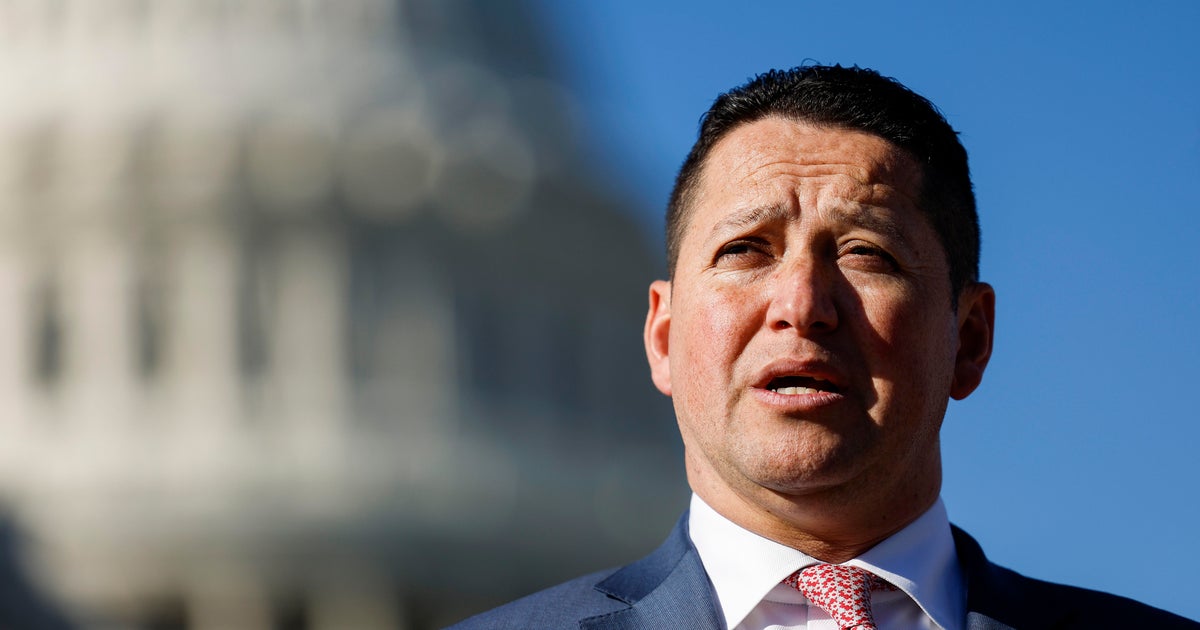
Congressman Tony Gonzales, 45, has found himself at the center of this storm, facing allegations that could derail his political career and tarnish his legacy. When confronted with the accusations, Gonzales issued a carefully worded statement on Wednesday that notably did not directly address the affair allegations. Instead, he took what many political observers would recognize as a defensive posture, saying he would not “engage in these personal smears and instead remain focused on helping President Trump secure the border and improve the lives of all Texans.” This response—redirecting attention to political priorities rather than addressing the personal allegations head-on—is a common strategy in political crisis management, but it has done little to quiet the growing chorus of critics calling for accountability.
Interestingly, back in November, during a panel appearance, Gonzales had been more direct in his denial, stating flatly that “the rumors are completely untruthful.” This creates something of a timeline puzzle for observers trying to understand what really happened. Why the change in approach from outright denial to refusing to engage? Both Gonzales and Santos-Aviles were married at the time of the alleged affair—Gonzales is a father of six, while Regina had a young son. The personal dimensions of this story extend far beyond the two individuals at its center, touching the lives of children, spouses, and extended family members who are now living through a very public nightmare.
In his public statements, Gonzales has spoken warmly of Santos-Aviles, calling her “a kind soul who devoted her life to making the community a better place.” He credited her with leading efforts that resulted in “improvements in school safety, healthcare, and rural water like never before.” These words paint a picture of a dedicated public servant, someone who was making a real difference in the lives of constituents. But they also raise troubling questions: if she was such a valued team member, what happened in the months leading up to her death? According to reporting from the Express-News, citing another former staffer, Regina spiraled into depression after her husband discovered the alleged affair and Gonzales “cut her off.” If true, this detail suggests a particularly cruel abandonment at a moment when she would have needed support the most.
The Political Fallout Intensifies
The political implications of this tragedy are substantial and growing by the day. Gonzales is currently running for his fourth term representing Texas’ 23rd congressional district, which includes Uvalde—the community still healing from the devastating Robb Elementary School shooting. While the seat is considered safely Republican and Gonzales won his last general election by a comfortable 24-point margin, his primary race tells a different story. In the previous primary, he barely survived a challenge from Brandon Herrera, winning by just 400 votes. Now Herrera is back, and he’s not holding back in using these allegations against the incumbent.
On Tuesday, as early voting began for the March 3 primary, Herrera called on Gonzales to exit the race entirely. “This is completely unacceptable behavior for anyone, let alone a sitting member of Congress,” Herrera posted on social media. “Tony must step down.” The calls for resignation aren’t coming only from political opponents. Republican state Representative Wes Vidrell, who represents part of the 23rd congressional district, also joined those demanding Gonzales step aside. “If this is true, and it does appear credible, Tony should step down,” Vidrell said in a statement that captured the growing concern within Republican circles. “The family deserves to heal and get past this terrible tragedy. That will be impossible to do if they have to see the person who did it show no remorse for the situation and get re-elected to represent them in Congress.”
Gonzales’s office has pushed back against these allegations by attempting to discredit the sources. They’ve alleged that the former staffer who reported the texts has moved to Los Angeles to work for Democratic campaigns, implying political motivation behind the revelations. Gonzales himself has accused Herrera of “using a disgruntled former staffer to smear her memory and score political points.” However, the ex-staffer in question denied to the Express-News that he was paid by any of Gonzales’ primary opponents. Moreover, it’s not just one former staffer making these claims—the Express-News reported that another former staffer also spoke about the alleged affair and Regina’s subsequent mental health struggles.
Questions About Power, Responsibility, and Consequences
This tragedy raises profound questions about workplace dynamics, particularly in high-pressure political environments where power imbalances can create vulnerable situations. When a congressman enters into a relationship with a staff member, regardless of whether both parties initially consented, there’s an inherent power differential that can’t be ignored. Staff members depend on their bosses for their livelihoods, their career advancement, and often their professional reputations. When such a relationship ends badly—as this one allegedly did—the person with less power typically bears the greater burden of consequences.
According to the reporting, when Regina’s husband discovered the alleged affair, Gonzales “cut her off,” leaving her to deal with the fallout alone. If these accounts are accurate, she would have been facing the collapse of her marriage, potential damage to her relationship with her son, professional uncertainty, and the loss of what may have been an emotionally significant relationship—all without support from the person who was equally involved in creating the situation. The former staffer’s description of her spiraling into depression paints a picture of someone who felt utterly alone and without options. Depression, especially when left untreated and when someone feels trapped by their circumstances, can lead to tragic outcomes. The method of her death—self-immolation—is particularly significant. Mental health professionals note that this method, while rare, often indicates extreme psychological distress and can sometimes be a form of protest or a final statement of pain.
The community of Uvalde, still traumatized from the elementary school shooting that claimed 21 lives in 2022, now faces another tragedy connected to someone who worked to help them heal. Regina Santos-Aviles had been involved in improving school safety in the aftermath of that horror. The layers of grief and complexity in this small Texas community are almost unfathomable. They looked to their representatives for leadership and healing, and now they’re confronted with allegations of betrayal and a death that might have been prevented.
Media Response and the Court of Public Opinion
The San Antonio Express-News made an unprecedented move on Tuesday night when it pulled its endorsement of Gonzales in the race and announced it would not make any recommendation in the contest. For a major newspaper to rescind an endorsement is extremely rare and signals just how serious they view these allegations. Editorial boards don’t make such decisions lightly—they represent a judgment that the situation has fundamentally changed their assessment of a candidate’s fitness for office.
The text messages viewed by CBS News provide what appears to be direct evidence of the affair from Regina herself, in her own words. This isn’t hearsay or speculation from third parties—it’s her own statement to a colleague. The fact that multiple former staffers have come forward with consistent accounts lends additional credibility to the allegations. While Gonzales and his team have attempted to frame this as political opposition research and smear tactics, the evidence seems to be building in a way that makes such dismissals increasingly difficult to sustain.
Public reaction has been swift and harsh, particularly given the circumstances of Regina’s death. Social media has erupted with commentary from constituents, political observers, and people across the country who are horrified by the human tragedy at the center of this story. Many have noted the apparent lack of remorse or accountability in Gonzales’s statements. Rather than expressing empathy for Regina’s family or acknowledging any personal responsibility, his responses have been primarily focused on political defense and attacking the credibility of those bringing the information forward.
The Human Cost and Path Forward
At the heart of this political scandal is a profoundly human tragedy. A young mother is dead. A little boy has lost his mother in the most traumatic way imaginable. A husband has lost his wife. Parents have lost their daughter. The ripple effects of this tragedy will extend through families and communities for years to come. While the political implications are significant, they pale in comparison to the personal devastation experienced by those who loved Regina Santos-Aviles.
The circumstances surrounding her death raise important questions about how we support people in crisis, particularly when professional and personal lives become entangled in destructive ways. Could intervention at an earlier stage have changed the outcome? Were there warning signs that colleagues noticed but didn’t know how to address? In the aftermath, what responsibility do elected officials have when their personal choices contribute to such tragic outcomes? These are uncomfortable questions, but they’re necessary ones if we hope to prevent similar tragedies in the future.
As the primary election approaches, voters in Texas’ 23rd congressional district face a difficult decision. They must weigh these serious allegations against Gonzales’s record of service, consider the credibility of the evidence and sources, and ultimately decide whether they believe he should continue representing them in Congress. The outcome of this race will send a message about what voters consider acceptable behavior from their elected officials and what level of accountability they demand. Regardless of the election results, Regina Santos-Aviles’s death serves as a tragic reminder that behind every political scandal are real people whose lives are forever changed. Her memory deserves more than being reduced to a political talking point—it deserves honest reckoning with the circumstances that led to her death and genuine efforts to ensure that workplace power dynamics don’t create similar situations in the future.