



Russia Steps Up to Support Cuba with Critical Oil Deliveries Amid Energy Crisis
A Lifeline in Troubled Waters
In a significant show of solidarity during challenging times, Russia has announced its commitment to send a second oil tanker to Cuba, according to Energy Minister Sergei Tsivilyov. This declaration came during an energy forum held in the Russian city of Kazan on Thursday, and it represents more than just a commercial transaction—it’s a statement of support between two nations that have historically maintained close ties, particularly when facing international pressure. The announcement follows closely on the heels of the first successful oil delivery in three months, signaling Russia’s determination to maintain its support for the Caribbean island nation despite the considerable logistical and political challenges involved in doing so.
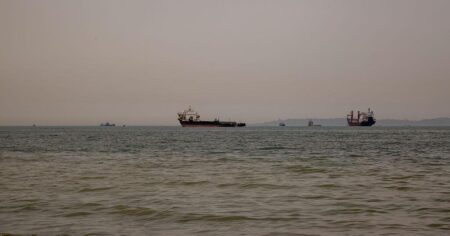
The timing of this announcement is particularly noteworthy, coming just two days after the Russian tanker Anatoly Kolodkin successfully docked at Cuba’s port of Matanzas. This vessel brought with it 730,000 barrels of oil—a substantial delivery that broke a three-month dry spell during which no oil tankers had managed to reach Cuban shores. The Anatoly Kolodkin itself operates under sanctions, which makes its successful journey all the more significant. For Cuba, which has been grappling with severe energy shortages and frequent power outages that have affected millions of residents, this delivery represents a crucial injection of resources that could help stabilize the country’s struggling electrical grid and provide some relief to its population.
Russia’s Bold Stance Against International Pressure
Minister Tsivilyov’s remarks at the energy forum were striking in their directness and emotional appeal. He characterized Cuba as being “in a total blockade” and described the island as having been “cut off” from essential resources. His rhetorical question—”Whose shipment of oil made it?”—followed by the emphatic answer that “A Russian vessel broke through the blockade,” frames Russia’s actions in heroic terms. The minister went further to emphasize that a second tanker is currently being loaded and declared unequivocally, “we will not leave Cubans alone in trouble.” This language suggests that Russia views its oil deliveries not merely as business transactions but as acts of international solidarity and friendship during a time when Cuba finds itself increasingly isolated from traditional energy markets.
This geopolitical dimension adds layers of complexity to what might otherwise appear to be straightforward commercial shipping. Russia itself has been operating under extensive international sanctions since its actions in Ukraine, yet it continues to position itself as a supporter of nations that find themselves at odds with Western powers. By emphasizing the “blockade” narrative and framing its oil deliveries as breaking through barriers to help a friend in need, Russia is making a broader statement about its role on the world stage and its willingness to challenge what it perceives as unjust restrictions on international commerce and cooperation.
Cuba’s Desperate Energy Situation
To understand why these Russian oil deliveries matter so profoundly, it’s essential to grasp the severity of Cuba’s energy crisis. The island nation produces barely 40% of the fuel it requires to keep its economy running and its lights on. This means that Cuba depends heavily on imports to sustain its energy grid—a vulnerability that has become increasingly acute in recent months. When oil shipments are delayed or fail to arrive, the consequences ripple throughout Cuban society. Homes experience extended blackouts, businesses cannot operate normally, hospitals struggle to maintain services, and the quality of life for ordinary Cubans deteriorates significantly. The energy shortfall doesn’t just inconvenience people; it threatens the basic functioning of society and the economy.
Energy experts who have analyzed the situation note that the 730,000 barrels delivered by the Anatoly Kolodkin could be refined to produce approximately 180,000 barrels of diesel fuel. While this might sound substantial, the reality of Cuba’s consumption needs puts it in perspective: this amount of diesel would feed Cuba’s daily demand for only nine or ten days. This calculation underscores both the immediate relief the shipment provides and the ongoing nature of Cuba’s energy challenges. The country needs consistent, reliable access to fuel supplies to maintain stability, and single shipments, while helpful, cannot solve the underlying structural problems. The fact that Russia is committing to a second delivery so quickly suggests an understanding of this reality and a willingness to provide more sustained support rather than one-off assistance.
The Broader Context of International Relations
The relationship between Russia and Cuba has deep historical roots stretching back to the Cold War era, when the Soviet Union provided extensive economic and military support to the island nation. After the Soviet Union’s collapse, this relationship weakened considerably, but it never disappeared entirely. In recent years, as both nations have found themselves increasingly at odds with Western powers and subject to various forms of sanctions and isolation, the bonds between them have strengthened once again. Russia’s current oil deliveries to Cuba can be understood within this broader context of nations that perceive themselves as standing against what they characterize as Western hegemony and unilateral sanctions regimes.
Cuba has long been subject to an American embargo that has restricted its access to international markets and financial systems—what Cuban officials and their allies refer to as a “blockade,” though technically it differs from a military blockade. This embargo, in place for over six decades, has significantly complicated Cuba’s ability to purchase fuel and other essential goods on international markets. Traditional oil suppliers have been reluctant to do business with Cuba due to concerns about running afoul of U.S. sanctions or facing other commercial complications. Russia, already operating under extensive Western sanctions itself, apparently feels it has less to lose by maintaining commercial relationships with Cuba, and potentially something to gain in terms of diplomatic influence and the demonstration of its willingness to support partners who align with its geopolitical perspective.
Practical Challenges and Future Implications
The fact that these oil deliveries are newsworthy in themselves reveals the considerable practical challenges involved in getting fuel to Cuba. International shipping companies, insurance providers, and financial institutions often avoid Cuban transactions due to the complex web of sanctions and the potential for secondary sanctions—penalties imposed on entities that do business with sanctioned parties. This creates a situation where even when Cuba has the financial means to purchase oil, finding willing sellers and shippers becomes extraordinarily difficult. The use of sanctioned Russian vessels like the Anatoly Kolodkin solves this problem in a way: since these ships already operate under restrictions, they have less to lose by serving routes that other vessels avoid.
Looking forward, the question becomes whether Russia can or will maintain this level of support for Cuba’s energy needs. The second tanker currently being loaded represents a positive signal from Cuba’s perspective, but sustained support would require regular deliveries over the long term. Russia has its own economic pressures to manage and its own customers to supply, even as it navigates the complex landscape of international sanctions on its energy exports. For Cuba, diversifying its energy sources and suppliers remains a critical strategic necessity. While Russian support provides crucial short-term relief and demonstrates that the island is not completely isolated, true energy security would require either increased domestic production—a challenging prospect given the technical and capital requirements—or the development of more diverse and reliable import relationships. In the meantime, each tanker that successfully reaches Cuban shores represents not just fuel for power generation but also a lifeline for a nation struggling to maintain basic services for its people during an exceptionally difficult period.