


A 400-Year-Old Swedish Naval Shipwreck Emerges from Stockholm’s Waters
An Unexpected Glimpse into Maritime History
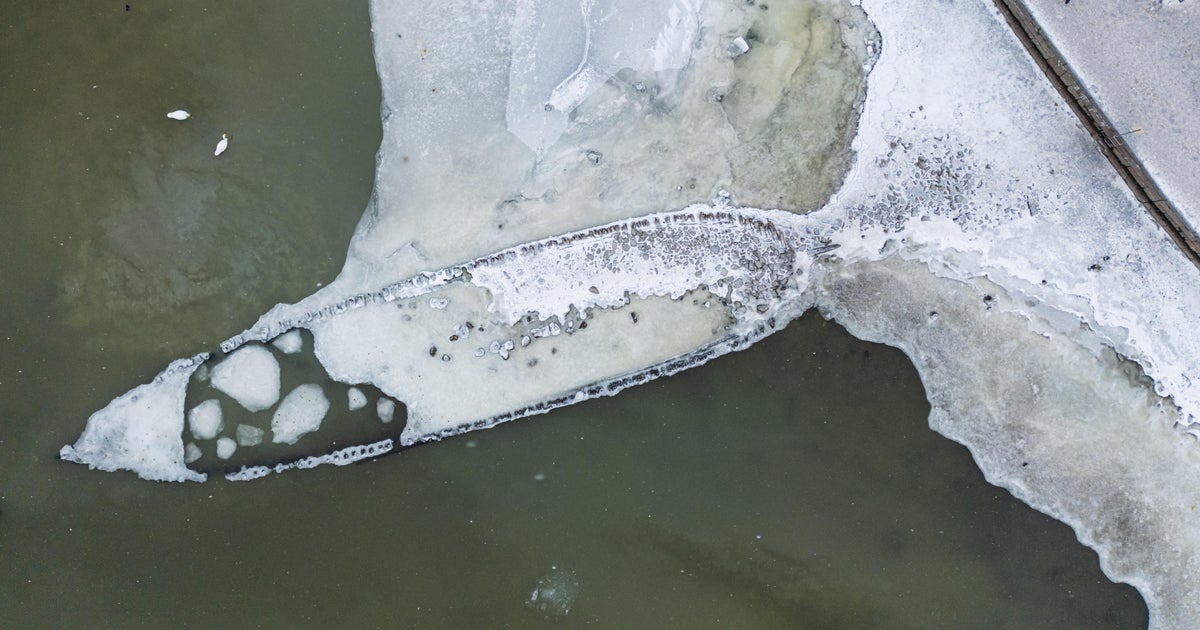
After spending four centuries hidden beneath the dark waters of central Stockholm, a remarkably preserved 17th-century Swedish Navy shipwreck has suddenly emerged into view, offering a rare window into Sweden’s naval past. Since early February, the wooden planks of the ship’s hull have been peeking above the surface near the island of Kastellholmen, revealing its skeletal structure to curious onlookers and marine archaeologists alike. This unexpected appearance isn’t the result of any archaeological expedition, but rather an unusual natural phenomenon – the Baltic Sea has reached its lowest levels in approximately a century, exposing maritime treasures that have remained hidden for generations.
Jim Hansson, a marine archaeologist working at Stockholm’s Vrak – Museum of Wrecks, has been studying this fascinating discovery. According to Hansson and his colleagues, this vessel wasn’t lost to a storm or naval battle. Instead, it met a far more practical fate: the Swedish Navy deliberately sunk it around 1640 to serve as part of the foundation for a new bridge connecting to Kastellholmen island. This creative reuse of naval vessels represents an ingenious engineering solution from a time when resources were precious and every material had to be utilized efficiently. Rather than allowing the ship to rot or breaking it down for lumber, Swedish engineers of the era recognized that the sturdy oak hull could serve a new purpose beneath the waves.
A Bridge Built on Naval History
The ship currently visible is just one piece of a larger maritime puzzle. Archaeologists have identified that it’s part of a group of five similar wrecks, all deliberately arranged in the same area to form the bridge’s foundation. These vessels date from the late 16th to early 17th centuries, representing a period of significant naval activity in Swedish history. The practice of using old ship hulls as construction material might seem unusual by today’s standards, but it was an innovative and practical solution for the time. As Hansson explains, instead of using new wood for construction, engineers could repurpose the ships’ hulls, which were built from sturdy oak timber that could withstand the test of time.
One of the reasons these wrecks have survived in such remarkable condition is the unique characteristics of the Baltic Sea itself. Unlike many other marine environments around the world, the Baltic doesn’t harbor shipworms – wood-boring organisms that typically feast on submerged timber structures. Without these destructive creatures to gnaw away at the oak planks, the ship’s hull has remained remarkably intact for four hundred years. This natural preservation has created an underwater museum of sorts, where historians and archaeologists can study the construction techniques, materials, and design principles of Swedish naval architecture from centuries past. The skeleton of the ship, now visible above the waterline, provides a clear picture of how these vessels were built and how they were adapted for their secondary purpose as bridge foundations.
Nature’s Role in Revealing the Past
The current visibility of this shipwreck is directly related to unusual weather patterns affecting Northern Europe. A prolonged period of high atmospheric pressure over the Nordic region has literally pushed water from the Baltic Sea outward toward the North Sea and the Atlantic Ocean, resulting in water levels not seen in roughly a hundred years. While parts of this particular ship had briefly broken the surface back in 2013, never before has it been as prominently visible as it is now. The exposure has given archaeologists an unprecedented opportunity to examine and document the wreck without the need for diving equipment or underwater photography.
This natural revelation serves as a reminder of how climate and weather patterns can impact our access to historical artifacts. The same environmental forces that have exposed this wreck are part of larger patterns affecting bodies of water around the world. For archaeologists and historians, these moments are both exciting and bittersweet – while the exposure provides valuable research opportunities, it also raises questions about preservation and the long-term effects of changing water levels on submerged cultural heritage. The Vrak Museum team and other researchers are racing to document everything they can while the wreck remains visible, knowing that when water levels return to normal, it may disappear beneath the surface once again for years or even decades.
Sweden’s Ambitious Maritime Archaeological Program
The discovery of this shipwreck fits into a broader initiative known as “the Lost Navy,” a comprehensive research program dedicated to identifying and precisely dating the numerous Swedish naval shipwrecks scattered across the bottom of the Baltic Sea. Sweden’s maritime history is extensive and complex, spanning centuries of naval warfare, trade, and exploration. Many vessels from this rich history now rest on the seafloor, each one representing a piece of the country’s cultural and military heritage. The Lost Navy program represents an ambitious effort to catalog these underwater time capsules, using modern technology and archaeological methods to understand not just individual ships, but the broader patterns of Swedish naval activity over the centuries.
The Baltic Sea has proven to be an extraordinarily rich repository of maritime history, and Swedish researchers have made several significant discoveries in recent years. In April 2024, archaeologists exploring an ancient shipwreck off Sweden’s coast uncovered centuries-old artifacts including a weapons chest and pieces of armor, offering insights into the military equipment and personal belongings of sailors from long ago. Just a few months later, in July 2024, a team of divers made an even more unusual discovery – a massive haul of champagne and wine preserved on a shipwreck on the Baltic seafloor. The precious cargo was so valuable and historically significant that the Swedish government declared it off limits to protect it from salvage hunters and ensure proper archaeological study. These discoveries demonstrate that the Baltic continues to yield surprises, with each find adding new chapters to our understanding of maritime life, trade, and warfare in Northern Europe.
Connections to Sweden’s Most Famous Maritime Treasure
Perhaps the most historically significant recent discovery came in October 2022, when Swedish maritime archaeologists located the long-lost sister vessel of the Vasa, one of the most famous warships in maritime history. The Vasa itself has an extraordinary story – it sank on its maiden voyage in Stockholm harbor in 1628, a devastating embarrassment for the Swedish navy at the time. However, this disaster eventually became a triumph for historical preservation. The ship was salvaged from the ocean floor in the 1960s and has been on display in Stockholm ever since, becoming one of the world’s most popular maritime museums. The Vasa’s remarkable state of preservation – again, thanks to the Baltic’s lack of shipworms – has provided invaluable information about 17th-century shipbuilding, naval warfare, and daily life aboard a warship.
The discovery of the Vasa’s sister ship represents another milestone in understanding this period of Swedish naval history. These vessels were part of Sweden’s ambitious naval expansion during a time when the country was emerging as a major European power. Each new discovery, whether it’s a bridge foundation ship like the one currently visible near Kastellholmen or a warship like the Vasa and her sister vessel, helps archaeologists piece together a more complete picture of this transformative era. The ships tell stories not just of maritime technology and military strategy, but of the people who built them, sailed them, and ultimately found new uses for them when their seafaring days were done. As climate patterns continue to shift and new technologies make underwater exploration more accessible, Sweden’s waters will likely continue to reveal secrets from the depths, connecting modern citizens with ancestors who lived, worked, and sailed these same waters four centuries ago.