
Federal Emergency Management Under Scrutiny: A New Vision for Disaster Response in Western North Carolina
A Secretary’s Promise Amid the Rubble
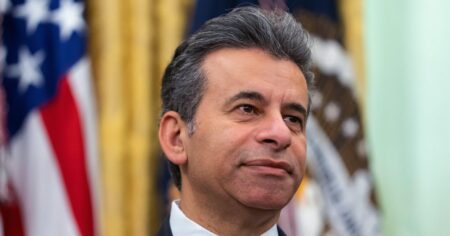
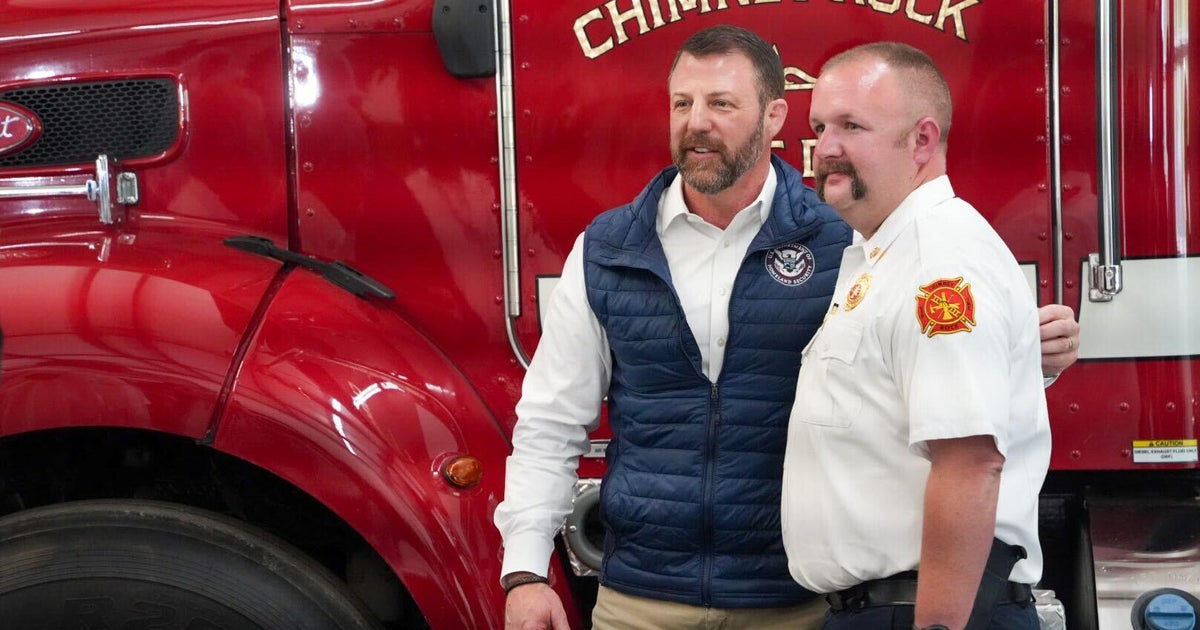
In the heart of Western North Carolina’s devastated landscape, Homeland Security Secretary Markwayne Mullin stepped into a weathered fire department building in Chimney Rock to deliver a message that carried both reassurance and reality. Eighteen months after Hurricane Helene unleashed an unimaginable torrent of destruction upon this small mountain community, Mullin arrived with a vision for reforming—not eliminating—the Federal Emergency Management Agency. The backdrop couldn’t have been more poignant: a town where 22.5 inches of relentless rain had swallowed roughly half the homes along the Rocky Broad River, dragging 1.2 million tons of sediment and debris downstream to Lake Lure, creating a suffocating 15-foot debris field. Standing amid officials, first responders, and exhausted residents, Mullin articulated his goal to fundamentally shift FEMA’s approach—moving it away from being the primary responder in disasters and instead positioning it as a funding conduit that empowers state and local governments to take the lead. “We shouldn’t be the first ones in and the last ones out,” he explained, bouncing his signature pink rubber ball as he spoke. His vision is clear: state and local authorities are better equipped to understand their communities’ needs, while FEMA’s role should be supporting them through the initial heavy lifting of disaster recovery.
The Storm That Changed Everything
Hurricane Helene wasn’t just another storm—local officials and survivors describe it as a “thousand-year storm,” a catastrophic weather event that reshaped the very landscape of Western North Carolina. The destruction went far beyond damaged buildings; it obliterated roads, severed entire communities, destroyed critical utilities, and left some areas still struggling to restore basic services nearly two years later. For Chimney Rock, the devastation was particularly acute. This tiny mountain town, built along picturesque riverbanks and never designed to withstand the fury of a major hurricane, found itself facing an existential crisis. Fire Chief Chris Melton, whose department became both refuge and command post during the disaster, embodied the emotional toll when he presented a tattered American flag recovered from the river during rescue operations. “I haven’t brought that flag out until yesterday,” he said, his voice breaking as tears streamed down his face. “It was pulled out of the river as we was doing some rescues. This is my hometown.” The scene captured the profound personal devastation that statistics and damage assessments can never fully convey—the heartbreak of watching your community literally wash away, the trauma of rescuing neighbors from floodwaters, and the long, grinding struggle to rebuild what once was.
Wrestling with Red Tape and Reality
The recovery effort in Chimney Rock has been hampered not just by the scale of physical destruction, but by bureaucratic obstacles that have frustrated everyone involved. During Mullin’s visit, local officials, emergency responders, and elected leaders led by GOP Senator Ted Budd painted a picture of recovery measured not in weeks or months, but in years and tens of millions of dollars. The challenges are uniquely stubborn in this mountainous region, where recovery is complicated by terrain, limited infrastructure, and rigid federal policies that weren’t designed with such areas in mind. Smaller, rural counties face a particularly difficult burden—they must front the costs for recovery projects and then wait months for federal reimbursement, all while operating with limited staff and resources. Officials described being buried under overlapping rules, slow approvals, and mountains of paperwork that complicate rebuilding efforts and leave survivors in limbo. Asked about delays and the backlog of FEMA projects, Mullin acknowledged the urgency, especially with hurricane season rapidly approaching on June 1st. “We’re trying to push this stuff forward as fast as possible… so we aren’t entering hurricane season behind,” he said, revealing that FEMA is currently managing 22 open and pending major disasters nationwide. The announcement of $26 million to buy out 75 homes in North Carolina—helping families relocate from high-risk flood zones—marked progress, but thousands of cases remain unresolved. “We got the first 75 out, but we’re looking at the other ones,” Mullin explained. “We’re honestly working from the easiest to the hardest ones. We got to get the money flowing at some point. That’s part of the backlog.”
The Politics of Disaster Relief
Mullin’s visit to North Carolina came against a politically charged backdrop. President Trump had previously told reporters he wanted to “wean” states off FEMA assistance after the 2025 hurricane season and had even floated the idea of closing the disaster relief agency altogether. This created uncertainty and fear in communities like Chimney Rock, where federal assistance remains a lifeline. Mullin, however, pushed back firmly against suggestions that FEMA might be shuttered entirely. “I think the president was talking about reforming FEMA,” he clarified, emphasizing the administration’s goal to “get the dollar closer to the state” by reducing bureaucratic layers that drive up costs. “When you’re dealing with federal contracts, the price seems to double because of the amount of bureaucracy,” he explained. Senator Budd praised Mullin’s decision to rescind a controversial memo from former DHS Secretary Kristi Noem that required her office’s approval on all Department of Homeland Security contracts and grants over $100,000—including FEMA disaster relief. “That’s leadership,” Budd stated pointedly, suggesting the policy had created additional bottlenecks in an already overwhelmed system. Mullin also confirmed that the administration is working to name a permanent FEMA administrator, though he declined to provide specifics. “We may have identified someone, but it’s a long process,” he acknowledged, noting that Senate confirmation remains a significant hurdle. The political dimensions of disaster relief continue to evolve, with tensions between those advocating for robust federal response and those pushing for more state-centered approaches.
Small Gestures in a Devastated Landscape
As Mullin toured the ravaged landscape of Chimney Rock, the human dimension of his visit came into sharp focus. He traversed the banks of the Broad River with local leaders, jumping over boulders and surveying what residents call “the town that washed away”—a place where floodwaters piled debris stories high, ripped apart mountain cottages, and reshaped the landscape into something jagged and unrecognizable. The Chimney Rock State Park had closed for nine months following the hurricane, and trailers still line the riverbanks eighteen months later, with debris still falling from homes that were literally split open by the force of the water. Inside the fire station, when Fire Chief Melton displayed the torn American flag recovered from rescue operations, Mullin’s response was immediate and personal. Pointing to the flag, he said, “I think it should be framed,” and asked Melton if he would allow him to pay for that frame. When the chief nodded, Mullin directed a FEMA employee to send him the bill directly. These small, symbolic gestures—the pink rubber ball he bounces while meeting with locals, the personal connection with a grieving fire chief, the promise to frame a rescued flag—represent Mullin’s attempt to connect on a human level with communities that feel forgotten. Along the riverbanks, residents at River Watch Bar and Grille watched the spectacle of black SUVs and white vans filling parking lots that once served tourists. Some were skeptical, calling it a “dog and pony show,” but others expressed cautious optimism. The bartender noted the kitchen had been slammed since Interstate-64 reopened traffic from Asheville the previous week. “But hey, we’re not mad at it,” she said with a smile. “We’re just happy that everybody is finally here.”
The Long Road Ahead
The reality facing Chimney Rock and countless other disaster-affected communities is that recovery is measured in years, not months. Mullin struck a cautious, realistic tone throughout his visit, making promises but also setting expectations. “We’re going to do everything we can possibly do to make it happen,” he said. “But the federal government isn’t going to take care of everybody’s problems… we’re there to help ease the pain.” This philosophy represents a significant shift in how Americans might experience federal disaster response going forward—less as a comprehensive safety net and more as a supporting partner to state and local efforts. Mullin indicated openness to streamlining processes, reducing backlogs, and giving more decision-making flexibility to local leaders, but the proof will be in implementation. For residents still living in trailers along the river, still waiting for buyouts or rebuilding assistance, still coping with the trauma of what they experienced, words must translate into action. One immediate promise Mullin made was ensuring FEMA workers receive pay for hours worked during the first six weeks of the government shutdown—payments he pledged would reach bank accounts by the following Monday. For the new secretary, the test will be whether symbolic gestures and promises made in rooms like that fire station translate into faster, more effective help before the next hurricane season begins. As one resident observed while watching the government entourage move through town, the increased attention brings mixed feelings—relief that someone is finally paying attention, skepticism about whether anything will truly change, and a weary hope that maybe, just maybe, the long process of rebuilding can finally gain real momentum.