
Democrats Move to Block Taxpayer Compensation for Pardoned January 6 Rioters
New Legislation Aims to Prevent Financial Rewards for Capitol Attackers
In response to a growing number of lawsuits filed by pardoned January 6 defendants seeking compensation from the federal government, Democratic lawmakers are taking action. Representative Deborah Ross of North Carolina is leading the charge by introducing new legislation on Wednesday designed to prevent any taxpayer money from being awarded to those who participated in the 2021 Capitol siege. This move comes after at least one significant financial settlement has already been approved, raising serious concerns among lawmakers about the message being sent to those who attacked the seat of American democracy. The legislation represents a firm stance by House Democrats who believe that those who participated in the violent attempt to overturn the 2020 election results should not profit from their actions, especially when many victims and injured police officers have received no special compensation for their suffering.
The Push Behind the Legislation and Its Key Provisions
Representative Ross, who has been vocal about this issue since raising concerns at a January hearing, emphasized the emotional toll that President Trump’s pardons have taken on the victims of the January 6 attack. “The pardons have re-traumatized the victims,” Ross stated during last month’s hearing, highlighting how the blanket clemency granted to riot defendants not only freed them from criminal consequences but also absolved them from paying restitution for the millions of dollars in damages they caused during the insurrection. Her proposed bill takes a comprehensive approach to addressing this problem by prohibiting the distribution of taxpayer money for any “January 6th compensation fund” and banning refunds of damage payments that convicted Capitol rioters had already made as part of their sentences. In her conversation with CBS News, Ross didn’t mince words about the absurdity of the situation: “We now have the Proud Boys trying to take people’s tax dollars and act like they were the victims on Jan. 6, which we know is patently false.” She stressed the importance of Congress making it absolutely clear that insurrectionists who tried to overturn an election, defaced government property, and injured Capitol Police officers should not be rewarded for their actions. Ross’s House legislation mirrors similar efforts in the Senate, where California Democrat Alex Padilla introduced comparable legislation in January through his committee, which has oversight responsibilities for the U.S. Capitol Police and Capitol grounds.
The Settlement That Sparked Outrage and Growing Compensation Claims
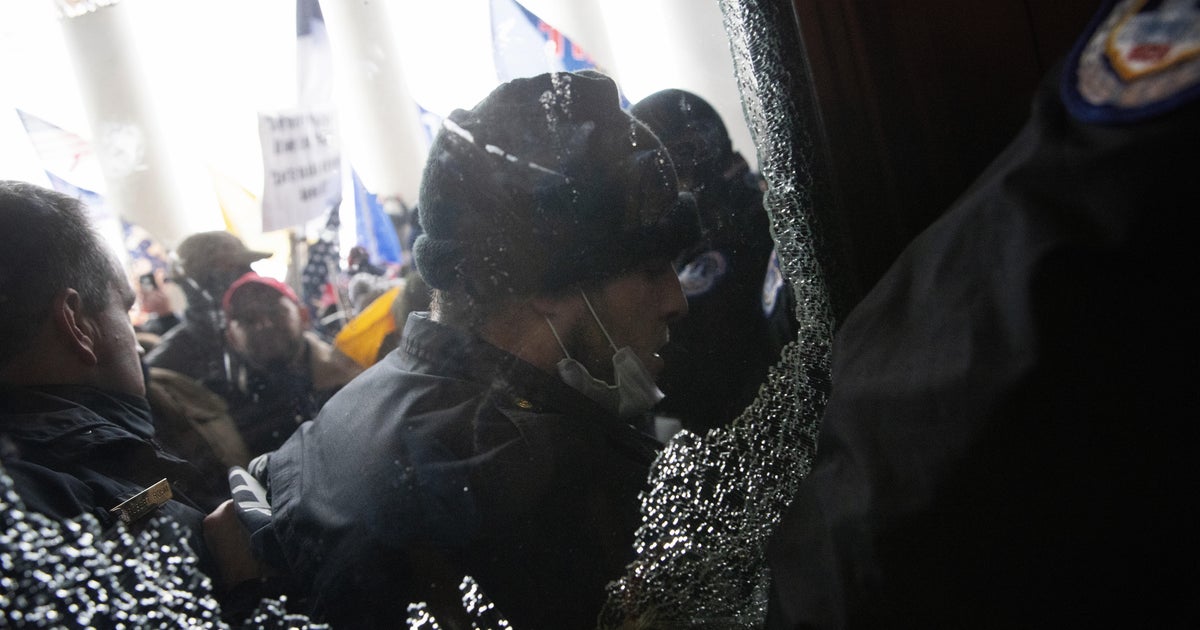
The controversy intensified when the Trump administration approved a significant civil settlement in connection with the January 6 mob attack. The Justice Department signed off on an approximately $5 million settlement to the family of Ashli Babbitt, a rioter who was shot and killed by a Capitol Police officer as she attempted to breach a smashed window into the House Speaker’s Lobby during the attack. This settlement set a troubling precedent that has emboldened other pardoned rioters to seek their own compensation. Adding fuel to the fire, Mark McCloskey, an attorney who prominently displays on his social media that he is “championing the cause of J6 compensation,” posted on his X feed in August that he was working tirelessly to establish a claims resolution procedure for what he called “J6 political prisoners.” In his post, McCloskey promised, “I’m doing everything I can to [expedite] the establishment of a claims resolution procedure so we can get you back on your feet and get you some real justice,” and declared, “I won’t stop fighting and I will never back down.” Over the past year, numerous riot defendants have formally requested taxpayer-funded reimbursements of the court-ordered restitution payments and fines they paid as part of their plea agreements or criminal sentences, creating a potential financial burden on taxpayers that could reach into the millions.
The Real Victims Speak: Police Officers Left Without Support
During a January 6, 2026 hearing held by congressional Democrats, the stark contrast between the treatment of rioters and the treatment of those who defended the Capitol became painfully clear. Members of Congress and a former Capitol riot prosecutor condemned proposals for January 6 “reparations” for convicted rioters, while U.S. Capitol Police officer Winston Pingeon, who responded to the riot, provided powerful testimony about the reality faced by law enforcement. Pingeon revealed that the more than 140 police officers who were injured during the Capitol siege have not received any special “compensation fund” or reparations for their losses, sacrifices, or the physical and emotional trauma they endured while protecting lawmakers and democracy itself. In a statement that underscored the injustice of the current situation, Pingeon told the panel, “I don’t know of any officer who has received any kind of compensation for what they sacrificed on Jan. 6.” This testimony highlighted the cruel irony of a system where those who attacked the Capitol are now seeking financial compensation while those who defended it have been left to deal with their injuries and trauma without special support.
The Financial Impact and Legislative Details
The financial implications of the January 6 attack and the subsequent pardon situation are staggering. Court filings reviewed by CBS News revealed that total damages from the riot eclipsed $3 million, representing the cost of destruction, repairs, and enhanced security measures needed in the aftermath of the attack. However, according to estimates produced by Congress, only 15% of those damages were actually paid by the convicted rioters before President Trump issued his sweeping pardons, leaving taxpayers on the hook for the vast majority of the repair costs. Now, with rioters seeking refunds of even these minimal payments, the financial burden on American taxpayers could increase substantially. The legislation introduced by Representative Ross addresses this concern with specific language that states: “Notwithstanding any other provision of law, no funds shall be disbursed from the United States Treasury to refund any court-ordered compensation, including restitution, fines, or special assessments, paid by any individual convicted for involvement in the attack on the United States Capitol on January 6, 2021, including any individual so convicted and subsequently pardoned.” This clear and comprehensive language is designed to close any potential loopholes that might allow rioters to claim taxpayer money through various legal channels.
Bipartisan Support and the Broader Message
Representative Ross’s legislation has already secured significant support from key Democratic leaders in the House, particularly from the top Democrats on the two committees with direct oversight of this matter: the House Judiciary Committee and the Committee on House Administration. House Administration Committee Ranking Member Joe Morelle of New York issued a strong statement supporting the bill, declaring, “Criminals who brutally assaulted law enforcement to prevent the peaceful transfer of power are not entitled to taxpayer-funded compensation.” He added that “the American people’s money must never be used to reward political violence, incentivize future attacks, or rewrite history.” This support from ranking members of key oversight committees gives the legislation significant credibility and highlights the seriousness with which Democratic leadership is treating this issue. Beyond the immediate financial concerns, the legislation sends a crucial message about accountability, consequences, and the fundamental principles of American democracy. By refusing to allow those who violently attacked the Capitol to profit from their actions, Congress would be affirming that political violence has no place in our democratic system and that those who engage in it cannot expect to be rewarded, regardless of subsequent pardons. The bill represents an effort to maintain some measure of justice and accountability in a situation where presidential pardons have already undermined the legal consequences that rioters faced for their actions, ensuring that at minimum, they will not be able to add financial gain to their freedom from criminal punishment.