



North Korea’s Latest Missile Engine Test: What It Means for Global Security
A Bold Claim from Pyongyang
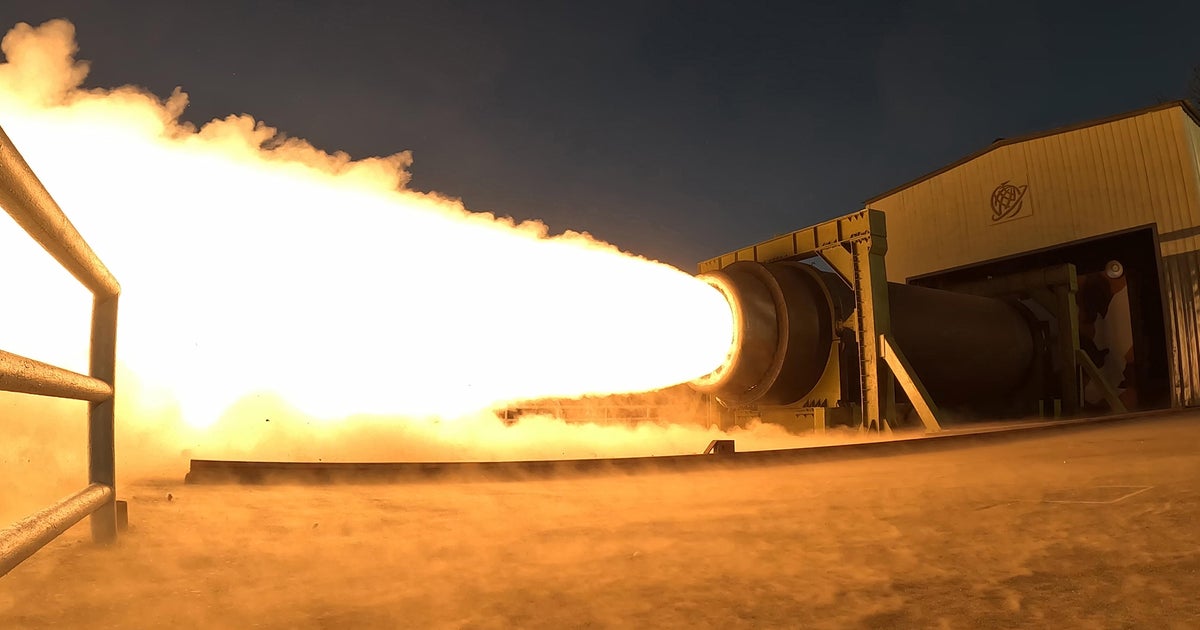
North Korean leader Kim Jong Un recently oversaw what state media describes as a groundbreaking test of an upgraded solid-fuel engine designed for missiles capable of striking the U.S. mainland. According to reports from the Korean Central News Agency (KCNA), Kim heralded this development as a crucial milestone in strengthening his nation’s strategic military capabilities. The test reportedly featured an engine constructed with advanced composite carbon fiber materials, boasting a maximum thrust of 2,500 kilonewtons—a notable increase from the approximately 1,970 kilonewtons demonstrated in a similar test conducted in September. While North Korea portrays this as a major technological leap forward, the international community has greeted the announcement with a healthy dose of skepticism. No independent journalists were present to verify the test, and the only evidence consists of undated photographs released by the North Korean government showing impressive flames shooting from what appears to be a missile engine. This lack of transparency has led weapons experts and regional analysts to question whether Pyongyang’s claims represent genuine progress or merely propaganda designed to project strength on the world stage.
The Strategic Advantage of Solid-Fuel Technology
Understanding why North Korea is investing so heavily in solid-fuel engine technology requires grasping the fundamental differences between solid and liquid-fuel missiles. Traditional liquid-fuel rockets must be filled with propellant shortly before launch, a time-consuming process that makes them vulnerable to detection and preemptive strikes. These weapons also require specialized fueling equipment and cannot remain in a ready-to-launch state for extended periods. Solid-fuel missiles, by contrast, come pre-loaded with their propellant, allowing them to be stored indefinitely and launched with minimal preparation time. This technological advantage makes solid-fuel weapons significantly more agile and harder for adversaries to detect and intercept. They can be transported on mobile launchers, hidden in mountainous terrain or underground facilities, and fired with little warning. For a country like North Korea, which faces constant surveillance from U.S. and allied intelligence agencies, this capability represents a genuine game-changer in military strategy. The ability to quickly deploy and launch missiles before enemy forces can respond dramatically increases the survivability of North Korea’s nuclear deterrent and complicates defense planning for the United States, South Korea, and Japan.
Doubts and Questions from Expert Observers
Despite North Korea’s triumphant announcements, several weapons experts have expressed reservations about the true extent of the technological advancement. Lee Choon Geun, an honorary research fellow at South Korea’s Science and Technology Policy Institute, pointed out significant gaps in the information provided by Pyongyang. Notably, North Korea failed to disclose critical technical details such as the engine’s total combustion time—a key metric for assessing an engine’s actual performance and reliability. This omission has led some analysts to suspect that North Korea might be “bluffing” about its achievements, exaggerating capabilities that may not yet be fully developed or tested. Adding to the mystery, North Korea described its September engine test as the ninth and final ground test before deploying the technology in intercontinental ballistic missiles. Observers at the time anticipated an imminent test launch of an ICBM equipped with the new engine, but months have passed without such a demonstration. This delay raises intriguing questions about what’s happening behind the scenes in North Korea’s weapons development programs. Is the country facing unexpected technical challenges? Has it decided to pursue an even more advanced design? Or is the delay strategic, perhaps connected to diplomatic considerations or resource constraints?
The Russian Connection and International Collaboration
One particularly concerning possibility is that North Korea may be receiving technical assistance from Russia to enhance its missile capabilities. Relations between Pyongyang and Moscow have grown considerably warmer in recent years, driven by shared antagonism toward Western powers and complementary strategic interests. Intelligence reports indicate that North Korea has sent both conventional weapons and troops to support Russia’s ongoing war in Ukraine, marking an unprecedented level of military cooperation between the two nations. In exchange for this support, Russia may be providing North Korea with advanced technology, technical expertise, or raw materials that could accelerate its weapons development programs. If Russian engineers and scientists are indeed helping North Korea overcome technical obstacles in solid-fuel engine design, it could explain why the country is now claiming improvements beyond what many experts expected. This potential collaboration represents a troubling development for regional and global security, as it would effectively combine Russia’s decades of rocket science expertise with North Korea’s willingness to pursue aggressive weapons programs despite international sanctions and diplomatic isolation. The partnership could help North Korea leapfrog developmental stages that typically take years to complete independently.
The Broader Context of North Korea’s Nuclear Arsenal
North Korea’s focus on solid-fuel engines fits within Kim Jong Un’s broader strategy of rapidly expanding and modernizing his country’s nuclear arsenal. In recent years, North Korea has conducted numerous tests of intercontinental ballistic missiles with ranges theoretically capable of reaching major U.S. cities. These include both liquid and solid-fuel variants, with some missiles displayed prominently during military parades designed to showcase the nation’s military might. The Hwasong-20 missiles, featured during an October 2025 parade celebrating Kim, were described by state media as the country’s “most powerful nuclear strategic weapon system.” However, international experts remain divided on whether North Korea has truly mastered all the technologies necessary for a functional ICBM capable of delivering a nuclear warhead to the United States. Key challenges include developing warheads that can survive the extreme heat and stress of reentering Earth’s atmosphere after traveling through space, guidance systems accurate enough to hit specific targets, and the ability to deceive or overwhelm U.S. missile defense systems. Some analysts argue that North Korea still has significant technical hurdles to overcome before possessing a reliable nuclear strike capability against the American homeland. Others counter that given the many years and substantial resources North Korea has devoted to its nuclear and missile programs, it would be dangerous to underestimate the country’s capabilities.
Implications for Regional Security and Future Diplomacy
The development of more powerful and efficient solid-fuel engines would enable North Korea to build smaller, more versatile ICBMs that could be launched from submarines or mobile land-based platforms. According to Lee and other defense analysts, this increased mobility and concealment capability would make North Korea’s nuclear arsenal significantly more difficult to neutralize in any potential conflict. Some experts also suggest that the push for greater engine thrust may be connected to North Korea’s efforts to deploy multiple independent warheads on single missiles—a technology known as MIRV (Multiple Independently targetable Reentry Vehicle). Such systems would dramatically increase the number of warheads North Korea could deliver in an attack and would be specifically designed to overwhelm missile defense systems by presenting multiple targets simultaneously. These technical developments occur against a complex diplomatic backdrop. North Korea has aggressively expanded its nuclear weapons program since the collapse of high-profile negotiations between Kim Jong Un and U.S. President Donald Trump in 2019. Those talks foundered over disagreements about the sequencing of denuclearization steps and sanctions relief. In a February ruling Workers’ Party congress, Kim indicated openness to renewed dialogue with Trump but made clear that North Korea would not accept demands for complete nuclear disarmament as a precondition for talks. This position essentially means North Korea now sees itself as a permanent nuclear weapons state and will only discuss arms control measures, not elimination of its arsenal. This fundamental shift in North Korea’s negotiating stance, combined with ongoing technological advances in its weapons programs, presents significant challenges for U.S. policy makers and regional allies seeking to maintain stability in Northeast Asia while preventing further nuclear proliferation.