



The Economic Ripple Effect: How Middle East Tensions Could Impact Your Wallet
Oil Prices and the Looming Threat to Global Economy
The escalating violence in the Middle East has economists and financial experts sounding alarm bells about the potential for oil prices to skyrocket beyond their historical peaks. This isn’t just another headline about distant conflicts—it’s a situation that could directly affect every American household’s budget and the broader health of our economy. When oil prices surge, the consequences cascade through virtually every aspect of daily life, from the gas station to the grocery store. Ryan Sweet, a chief global economist at Oxford Economics, explains the direct connection in stark terms: for every single penny that gasoline prices increase, American consumers collectively reduce their spending by a staggering one and a half billion dollars over a year. That’s real money coming out of real pockets, forcing families to make difficult choices about their spending priorities. The situation has already begun to materialize, with Brent crude oil briefly soaring past $119 per barrel following recent attacks on energy infrastructure in the region. To put this in historical context, oil prices reached their all-time highs back in July 2008, when both Brent and West Texas Intermediate crude hit approximately $145 per barrel—equivalent to about $215 per barrel in today’s inflation-adjusted dollars. While we’re not quite at those levels yet, analysts from TD Securities warn that if the current conflict continues to intensify, we could see oil climbing past the $200-per-barrel mark, bringing us dangerously close to those record-breaking figures from the 2008 financial crisis era.
Feeling the Squeeze at the Pump and Beyond
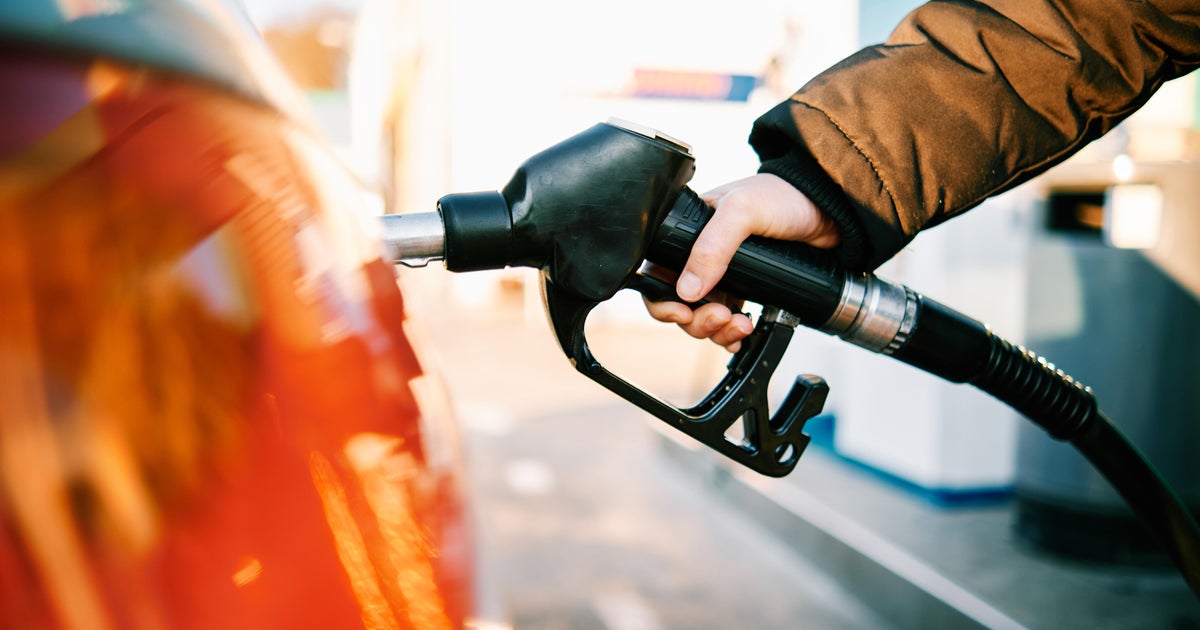
American consumers are already experiencing the financial pain of this situation in their daily lives. Gas prices have jumped nearly a dollar higher than they were before the current conflict began, with the national average reaching $3.88 per gallon according to AAA data. For anyone who commutes to work or relies on their vehicle for daily activities, this represents a significant monthly expense increase. But the impact doesn’t stop at the gas pump. The aviation industry is also feeling the pressure as jet fuel costs climb, forcing airlines to pass those expenses along to travelers through higher ticket prices. This means that whether you’re driving to work or flying to visit family, you’re likely paying more than you were just a few months ago. The ripple effects extend into nearly every corner of consumer spending. When energy costs rise, businesses that depend on transportation face higher operating expenses, which they inevitably pass on to customers. This creates a domino effect throughout the economy, touching everything from the price of your morning coffee to the cost of home deliveries. For lower-income households, these increases represent a particularly heavy burden, as a larger percentage of their monthly budget typically goes toward essential expenses like fuel and food. The situation forces difficult decisions: do you cut back on groceries, skip a family outing, or reduce contributions to savings? These aren’t theoretical questions—they’re real dilemmas that millions of Americans may soon face if oil prices continue their upward trajectory.
America’s Relative Advantage in a Global Crisis
While the situation looks challenging, experts suggest that the United States is better positioned than many other nations to weather this storm. Samuel Tombs, chief U.S. economist at Pantheon Macroeconomics, notes that “the U.S. stands better than most” when it comes to handling global energy price shocks. This relative advantage stems from two key factors: first, America has become a top oil producer in recent years, reducing its dependence on foreign imports; second, energy consumption represents a smaller portion of overall consumer spending in the U.S. compared to many European and Asian countries. If oil prices were to approach those 2008 record levels, experts predict that Europe and Asia could experience mild economic contractions or even recessions. The U.S., however, would likely avoid sliding into a full-blown recession, at least initially. This doesn’t mean Americans would escape unscathed—far from it—but the economic infrastructure and domestic energy production capacity provide a buffer that other nations lack. This relative insulation offers some comfort, but it’s important not to become complacent. Being “better off than most” doesn’t mean being immune to serious economic consequences, and the longer this situation persists, the more that initial advantage could erode.
The Vicious Cycle: Jobs, Spending, and Stock Markets
Even if the United States manages to avoid a technical recession, the economy isn’t immune to significant disruption from sustained high oil prices. According to research from Oxford Economics, if Brent crude prices climb to $140 per barrel and stay at that level for just two months, the U.S. could see a troubling increase in layoffs as companies struggle to cope with higher operational costs. This would push up the unemployment rate and trigger what Sweet describes as a “vicious cycle”—businesses lay off workers to cut costs, those newly unemployed workers reduce their spending, which then leads to decreased demand for goods and services, prompting even more layoffs. The stock market would likely experience significant declines in this scenario, which creates additional problems for the economy. Higher-income households, who tend to have more investments in stocks and retirement accounts, would see their wealth decrease and subsequently pull back on their spending. This matters more than you might think because consumer spending in America is heavily concentrated among higher-income earners. When they reduce spending, the economic impact is substantial. Meanwhile, lower-income households would face a different but equally serious challenge: simply affording basic necessities like gasoline to get to work. This pincer effect—higher-income households cutting discretionary spending due to stock market losses while lower-income households struggle with basic expenses—could significantly slow economic growth and dampen the recovery momentum the economy has been building.
Inflation Concerns and Supply Chain Disruptions
Beyond the immediate impact on gas prices, economists are deeply concerned about rising oil prices injecting renewed inflationary pressure into the U.S. economy. When oil becomes more expensive, shipping costs increase, and those costs get passed along through higher prices for virtually everything that needs to be transported—which is practically everything we buy. Sweet points out that even though the U.S. imports very little oil through vulnerable shipping lanes like the Strait of Hormuz, disruptions in that region still create bottlenecks in global supply chains that can have inflationary consequences here at home. Recent analysis from Pantheon Macroeconomics paints a concerning picture: if oil prices jump to $150 per barrel and remain at that level for just three months, the Consumer Price Index could surge to an annual rate of 6%, more than doubling the 2.4% rate recorded in February. This would represent a significant setback in the fight against inflation that the Federal Reserve has been waging for the past several years. Food prices are particularly vulnerable to these dynamics. Diesel fuel, which recently surpassed $5 per gallon for the first time since 2022, powers the trucks and barges that move food from farms to processing facilities to distribution centers to grocery stores. When diesel prices spike, food prices typically follow. Ramnivas Mundada, director of Economic Research at GlobalData, warns that even if oil prices eventually stabilize, the persistence of higher freight costs, longer shipping routes required to avoid conflict zones, and increased insurance costs can keep prices elevated for an extended period. This combination increases the likelihood that inflation proves “stickier” than expected, meaning it takes longer to return to normal levels even after the initial shock has passed.
Can American Families Weather the Storm?
The crucial question facing many Americans is whether they have the financial resources to handle these increased costs if they persist for months rather than weeks. There are some reasons for cautious optimism. Tax refunds are larger this year due to recent tax legislation, with the nonpartisan Tax Foundation estimating the average refund at $748—roughly equivalent to the additional fuel costs a typical U.S. household might face this year due to higher gas prices. This timing could provide a helpful cushion for many families, allowing them to absorb some of the shock without immediately cutting back on other expenses. Additionally, many American households still have some savings built up from the pandemic era, when stimulus payments and reduced spending opportunities allowed people to sock away more money than usual. Tombs notes that “households do still have a reasonable amount of savings to get through a temporary period of higher energy prices.” The key word here is “temporary.” The financial outlook becomes considerably more challenging the longer this situation continues. As Sweet explains, “The U.S. consumer can weather a couple of weeks of high energy prices, but with each passing month the economic costs really begin to mount.” Savings get depleted, credit cards get maxed out, and difficult choices become unavoidable. The difference between a short-term spike and a prolonged period of elevated prices could mean the difference between a minor inconvenience and a genuine financial crisis for millions of families. The situation remains fluid, and much depends on how events unfold in the Middle East in the coming weeks and months. For now, American consumers and policymakers alike are watching nervously, hoping for de-escalation while preparing for the possibility that things could get worse before they get better.