



Alysa Liu’s Golden Comeback: A Story of Resilience and Self-Discovery
Finding Joy on Ice: The Energy That Fuels a Champion
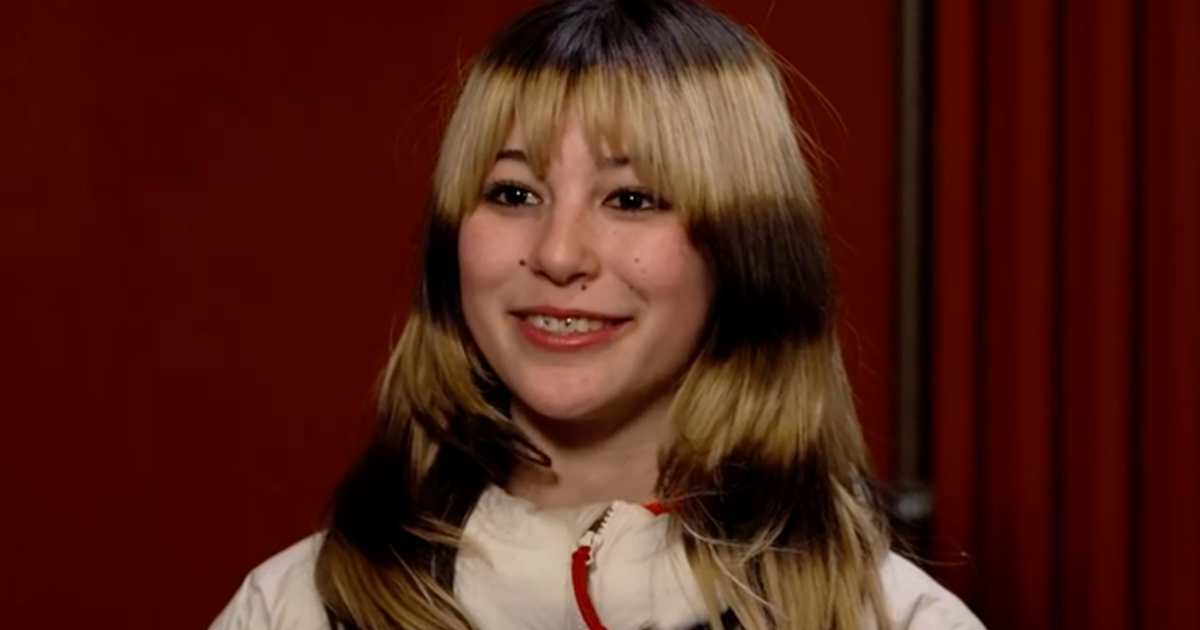
In the heart of Milan, Italy, American figure skater Alysa Liu couldn’t contain her smile as she reflected on the electric atmosphere that surrounded her historic Olympic victory. Speaking with CBS Saturday Morning just hours after capturing the gold medal in women’s singles figure skating—the first for Team USA in this event since 2002—the 20-year-old athlete radiated a sense of pure joy that seemed to transcend the competitive pressures typically associated with Olympic glory. “Just the energy in the arena. That’s why I skate,” Liu shared during her Friday morning interview with co-host Kelly O’Grady. Her words revealed something profound about her approach to competition: for Liu, skating isn’t primarily about medals or national pride, though those are certainly meaningful. Instead, it’s about the intangible connection between performer and audience, the rush of adrenaline that comes from feeling thousands of eyes watching every movement, and the shared experience of athletic artistry. This perspective sets Liu apart from many athletes who are consumed by the pressure of performance, and it may very well be the secret to her remarkable success at such a young age.
The Mental Game: Protecting Peace While Pursuing Excellence
What makes Liu’s achievement even more remarkable is her unconventional approach to managing the intense psychological demands of elite competition. While many athletes report crippling nervousness before major performances, Liu has cultivated a different relationship with pressure. She explained that when she glides onto the ice, nervousness doesn’t dominate her emotional landscape. Instead, she centers herself by focusing on the inherent joy that figure skating brings to her life. This mindful approach didn’t develop overnight—it’s the result of deliberate choices about how she structures her life and who she allows into her inner circle. To “protect her peace,” as she puts it, Liu has carefully surrounded herself with friends who keep her grounded, people who see her as a complete person rather than just an athletic commodity. Perhaps most importantly for someone in such a demanding field, she has learned the difficult art of saying no when necessary, setting boundaries that allow her to maintain her mental health even while pursuing Olympic dreams. Liu is refreshingly honest about what it takes to become an Olympic athlete, acknowledging that success requires a delicate balance of hard work, unwavering dedication, and a genuine love for the sport. “I love working hard and pushing myself to the limit, but to do that, I need rest,” she explained, demonstrating a mature understanding of human performance that eludes many athletes twice her age. Her emphasis on recognizing when to prioritize recovery over training shows a wisdom that likely contributed to her ability to return to competition after stepping away.
A Prodigy’s Unconventional Path: Early Success and Unexpected Retirement
Alysa Liu’s journey to Olympic gold has been anything but conventional, marked by record-breaking achievements and surprising pivots that have kept the skating world guessing. She first burst onto the national stage with jaw-dropping force when she became the youngest U.S. women’s figure skating champion at just 13 years old, shattering previous records and immediately establishing herself as a generational talent. Her technical prowess and artistic maturity at such a tender age seemed to promise a long and decorated career. However, Liu would soon remind the world that athletic careers don’t always follow predictable trajectories. After making her Olympic debut at the 2022 Winter Games in Beijing, where she finished a respectable sixth place, Liu stunned the skating community by announcing her retirement at the age of 16. For most athletes, reaching the Olympics represents the culmination of a career; for Liu, it became a moment of reflection that led her to step back from the sport entirely. The reasons for her early retirement were complex, touching on issues of burnout, identity, and the desire to experience life beyond the confines of elite athletic training. For two years, she explored what it meant to be a young person without the constant pressure of competition, attending school, spending time with friends, and discovering aspects of herself that had been overshadowed by her singular focus on skating. But as is often the case with true artists and competitors, the ice called her back.
The Comeback: Chasing Dopamine, Finding Gold
Liu’s return to competitive figure skating wasn’t born from any master plan or long-term strategic thinking. Instead, it emerged from something far more human and relatable—a simple craving for the rush that only her sport could provide. “I wasn’t planning to return to competition at this point,” she candidly told “60 Minutes” in January, just weeks before her Olympic triumph. “I just wanted quick hits of dopamine, basically.” This remarkably honest admission reveals Liu’s refreshing approach to elite athletics, one that prioritizes feeling over achievement, process over outcome. In June 2024, she made the decision to return to full-time training under coaches Massimo Scali and Phillip DiGuglielmo, embarking on an intensive preparation period that would span less than a year before the Milan Olympics. What makes her comeback narrative so compelling is her insistence that it wasn’t about the hardware—the medals, the records, the place in history. Instead, Liu returned for the journey itself, for the daily experience of pushing her body to perform impossible movements, for the artistic expression that figure skating uniquely allows, and for that connection with audiences that first drew her to the sport. This mindset paradoxically may have freed her to perform at her absolute best when the pressure was highest, unencumbered by the weight of expectations that crush so many Olympic hopefuls. Her gold medal, then, becomes not the goal but the beautiful byproduct of an athlete who rediscovered her love for her craft.
Inspiring the Next Generation While Staying True to Self
With her victory in Milan, Alysa Liu has inevitably become a role model for young skaters across America and around the world. She’s acutely aware of this responsibility and thoughtfully considers what she hopes her legacy will represent. “I hope [my story is] inspiring, and I hope it allows for others to…break through more,” Liu reflected, expressing a desire that her unconventional path might create space for other athletes to forge their own unique journeys rather than feeling pressured to follow a single prescribed route to success. Beyond her competitive achievements, Liu wants her program and personal style to be remembered—the artistic choices, the music selections, the way she brings her authentic self to every performance. But when it comes to young skaters who might aspire to be “the next Alysa,” Liu offers surprising counsel: “Don’t try to be the next me.” This advice speaks volumes about her understanding of what makes an athlete truly great. Rather than encouraging imitation, she wants to inspire young people to pursue their passions while remaining uncompromisingly themselves. “At the end of the day, take some time for yourself. Spend time alone. I think it really helped me,” she advised, emphasizing the importance of solitude and self-reflection in developing both as an athlete and as a person. In a sports culture that often pressures young athletes to specialize early, train constantly, and sacrifice everything for competitive success, Liu’s message offers a healthier alternative path—one that acknowledges the importance of rest, relationships, and personal development beyond sport.
Wisdom Beyond Her Years: Trusting the Journey
Perhaps the most revealing moment in Liu’s post-victory reflections came when she was asked what advice she might give to her younger self if given the chance. Without hesitation, she provided an answer that demonstrates remarkable self-acceptance and trust in her own journey: “She’s going to figure it out herself. I don’t want to change anything.” This response reveals an athlete who has made peace with every twist and turn of her unconventional path—the early triumphs, the unexpected retirement, the two years away from competition, the uncertain comeback, and finally the golden vindication in Milan. Liu recognizes that even the difficult moments, the doubts, and the detours were essential components of the journey that brought her to this pinnacle. Her refusal to second-guess or wish to alter her past demonstrates a level of emotional maturity that many people never achieve regardless of age. It suggests that Liu views her life not as a series of strategic moves toward a predetermined goal, but as an organic process of growth, discovery, and self-realization. As she stands atop the Olympic podium at age 20, having already experienced more career highs and lows than most athletes face in a lifetime, Alysa Liu embodies a new model of athletic excellence—one that prioritizes joy over perfection, authenticity over image, and the journey over the destination. Her golden performance in Milan will be remembered for its technical brilliance and artistic beauty, but perhaps her greatest contribution to the sport will be demonstrating that champions can be made not just through relentless sacrifice, but through balance, self-awareness, and an unwavering commitment to protecting what brings you joy.