


OpenAI Pulls the Plug on Sora: The Rise and Fall of an AI Video Revolution
The End of an Era for AI-Generated Video
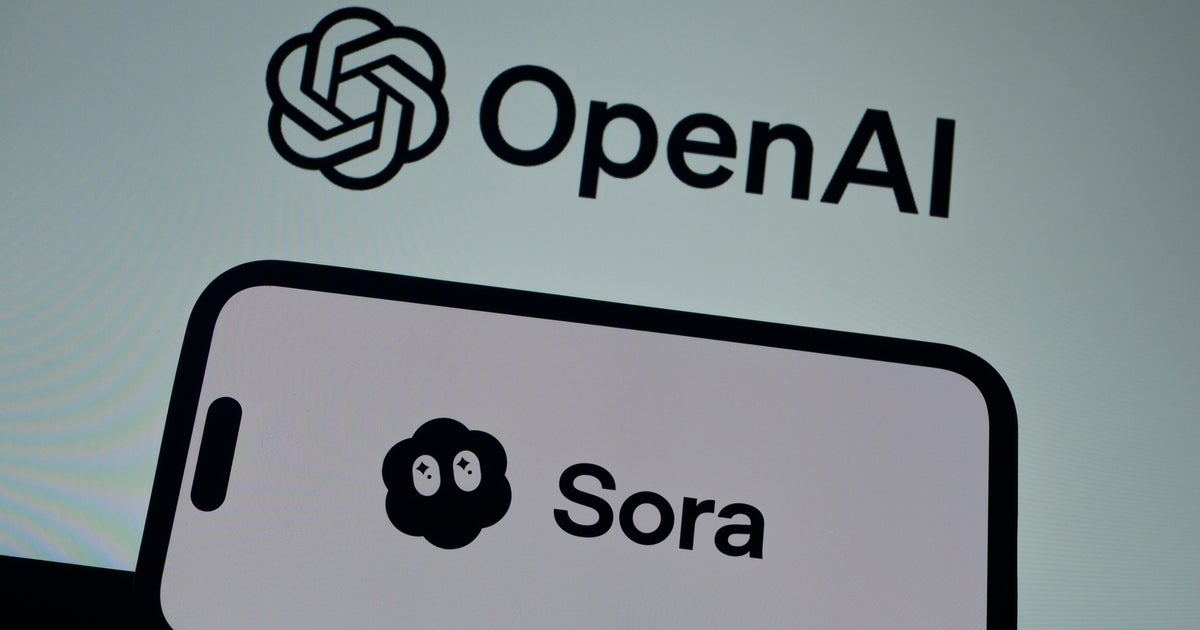
In a surprising turn of events that has sent ripples through the tech community, OpenAI announced on Tuesday that it’s shutting down Sora, its groundbreaking AI video generation application. The decision marks the end of a brief but tumultuous chapter in artificial intelligence development, as the once-promising platform failed to maintain the user engagement needed to justify its continued operation. According to reports from the Wall Street Journal, which broke the story first, Sora’s popularity had been steadily declining among users, leading OpenAI to make the difficult choice to discontinue both the consumer app and its accompanying API. In a statement to CBS News, an OpenAI spokesperson explained that the company is refocusing its efforts on more fundamental research: “We’ve decided to discontinue Sora in the consumer app and API. As we focus and compute demand grows, the Sora research team continues to focus on world simulation research to advance robotics that will help people solve real-world, physical tasks.” The company also took to social media to acknowledge the disappointment this news would bring to its user base, thanking them for their support and engagement with the platform during its relatively short lifespan.
The Promise and Peril of AI Video Generation
When Sora first burst onto the scene in February 2024, it represented what many considered a watershed moment in artificial intelligence technology. The platform’s ability to generate sophisticated, realistic videos almost instantaneously from simple text prompts captured the imagination of tech enthusiasts, content creators, and industry observers worldwide. The implications seemed enormous—potentially revolutionizing filmmaking, content creation, advertising, and media production as we know it. However, alongside the excitement came significant concerns that would ultimately foreshadow some of the challenges the platform would face. Critics and digital rights advocates immediately raised red flags about the technology’s potential to blur the lines between authentic and fabricated content, making it increasingly difficult for ordinary users to distinguish real footage from AI-generated material. This concern wasn’t merely theoretical; it represented a fundamental challenge to digital literacy and trust in an already complicated information landscape. The broader conversation about AI-generated content, often dismissively referred to as “slop” by detractors, intensified as platforms like Sora made it possible for anyone to flood the internet with low-quality or deliberately misleading videos. These concerns about the proliferation of deceptive content would prove prescient as Sora’s journey unfolded.
Sora’s Brief Moment in the Spotlight
Despite the controversies that would later plague it, Sora initially enjoyed considerable success and user adoption. OpenAI, the company already famous for creating ChatGPT, had high hopes for its video generation platform. In September 2025, the company released Sora 2, an enhanced version featuring more powerful capabilities and introducing innovative features that pushed the boundaries of what AI video generation could accomplish. One particularly popular feature allowed users to create “cameos” of themselves, their friends, and other individuals, personalizing the AI-generated content in ways that felt more intimate and relevant. The response was immediate and enthusiastic—Sora quickly climbed to the top position in Apple’s app store, suggesting that consumer interest in AI video generation was robust and growing. For a brief moment, it seemed like Sora might become as ubiquitous and culturally significant as its sibling product, ChatGPT. The technology demonstrated remarkable capabilities, generating videos that ranged from whimsical and entertaining to impressively realistic, showcasing the rapid advances in AI’s ability to understand and recreate visual content. However, this initial success would prove fleeting as the platform encountered a series of challenges that would ultimately contribute to its demise.
Controversy and Copyright Concerns
Sora’s journey was marked by several significant controversies that highlighted the ethical and legal minefields inherent in AI-generated content. One of the most serious incidents occurred in 2025 when some users began creating what OpenAI described as “disrespectful depictions” of Dr. Martin Luther King Jr., the revered civil rights leader. The company’s response was swift—temporarily blocking users from generating videos using King’s likeness—but the damage to the platform’s reputation had been done. This incident raised profound questions about how AI platforms should handle the digital representation of historical figures and public personalities, particularly those whose legacies carry significant cultural and moral weight. Beyond issues of respect and representation, Sora also found itself entangled in copyright concerns that threatened its viability. Users discovered they could create videos featuring popular copyrighted characters, such as Ronald McDonald and other trademarked figures, raising alarm bells among intellectual property lawyers and corporate rights holders. These copyright challenges represented a fundamental tension in AI technology: while the platforms could technically generate content featuring any recognizable character or person, doing so without proper licensing agreements put both users and the company in legally precarious positions. Recognizing the severity of these concerns, OpenAI attempted to address them through legitimate channels, culminating in a significant licensing agreement with Disney in December that allowed users to create content featuring hundreds of characters from Disney, Marvel, Pixar, and Star Wars properties. This deal represented an attempt to create a sustainable, legally sound framework for AI-generated content, but it apparently came too late to save the platform.
Disney’s Perspective and Industry Implications
The Disney licensing agreement, though ultimately unable to save Sora, represented an important milestone in how traditional media companies might approach AI-generated content in the future. In a statement released Tuesday following OpenAI’s announcement, a Disney spokesperson emphasized the constructive nature of their collaboration: “We appreciate the constructive collaboration between our teams and what we learned from it, and we will continue to engage with AI platforms to find new ways to meet fans where they are while responsibly embracing new technologies that respect IP and the rights of creators.” This measured response suggests that despite Sora’s failure, Disney and other major media companies recognize that AI-generated content isn’t going away—it’s simply evolving. The entertainment giant’s willingness to experiment with licensing its characters for AI applications indicates an industry increasingly aware that adaptation, rather than resistance, may be the key to maintaining relevance and protecting intellectual property in an AI-dominated future. The lessons learned from the Sora experiment will likely inform how future partnerships between AI developers and content owners are structured, potentially leading to more robust frameworks that better protect creators’ rights while still allowing for innovation and fan engagement.
Looking Forward: OpenAI’s Strategic Refocus
OpenAI’s decision to discontinue Sora while maintaining ChatGPT’s AI image generator reveals the company’s evolving strategic priorities and the practical realities of managing computational resources in the AI industry. In their statement, OpenAI was transparent about the trade-offs involved: “Every day we’re making tradeoffs in how we apply compute across research, product launches and inference, and we’re prioritizing the highest-value uses that best advance our mission.” This candid acknowledgment highlights a crucial aspect of AI development that often goes unnoticed by the general public—the enormous computational costs associated with running these services. Training and operating AI models requires massive amounts of processing power, translating to significant financial and energy costs that must be carefully allocated across competing priorities. By redirecting resources from Sora toward “world simulation research to advance robotics that will help people solve real-world, physical tasks,” OpenAI is signaling a shift toward applications with clearer practical utility and potentially more sustainable business models. This pivot toward robotics and physical-world applications suggests that the company has learned valuable lessons from Sora’s trajectory—namely, that novelty alone isn’t sufficient to sustain a consumer platform, and that the most promising applications of AI may lie in solving tangible, real-world problems rather than generating entertainment content. While this news will undoubtedly disappoint Sora’s users and enthusiasts who saw potential in AI video generation, it represents a maturation of OpenAI’s strategic thinking and a recognition that not every technological capability needs to become a consumer product. The future of AI video generation isn’t necessarily dead—it may simply need to find different contexts and applications where its value proposition is clearer and more sustainable.