
The True Cost of Operation Metro Surge: How Immigration Enforcement Drained Twin Cities’ Economy and Resources
An Unexpected Financial Burden on Minnesota Communities
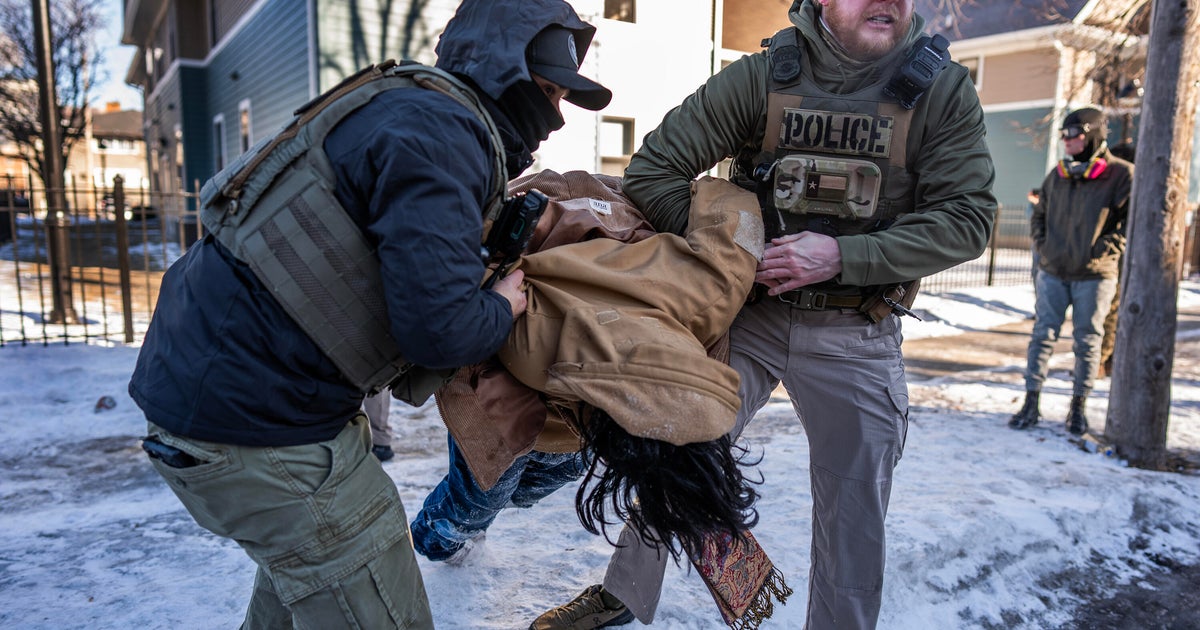
Just two months after Operation Metro Surge concluded, the full financial impact of the federal immigration crackdown is coming into sharp focus, and the numbers are staggering. Minnesota Attorney General Keith Ellison, working alongside officials from Minneapolis and St. Paul, recently filed an amended lawsuit against the federal government that reveals the enormous economic toll this operation took on the Twin Cities. What makes this situation particularly challenging is that state and local agencies had no advance warning about the operation, forcing them to scramble and spend substantial amounts of money without any opportunity to prepare or budget accordingly. The lawsuit represents more than just a legal challenge—it’s a comprehensive accounting of how federal immigration policy decisions can create ripple effects throughout entire communities, affecting everyone from business owners to everyday workers trying to make ends meet.
Massive Business Losses Across the Twin Cities
The economic damage to local businesses has been nothing short of devastating, according to research conducted by the U.S. Immigration Policy Center at the University of California, San Diego. Their comprehensive survey, which gathered information from more than 1,300 residents across Minneapolis and St. Paul, paints a troubling picture of an economy brought to its knees during the operation. The combined business losses for both cities reached an eye-watering $610 million, with Minneapolis bearing the brunt at more than $440 million and St. Paul experiencing losses exceeding $165 million. These aren’t just abstract numbers on a spreadsheet—they represent real businesses that saw their customer base disappear overnight, restaurants with empty tables, retail stores with no foot traffic, and service providers who suddenly found themselves without clients. The fear and uncertainty created by the immigration operation fundamentally disrupted the normal flow of commerce, as people stayed home rather than venture out into their communities to shop, dine, or conduct business as usual.
Workers Left Behind: The Human Cost in Lost Wages
Beyond the business losses, the operation created a significant crisis for working families throughout the Twin Cities. The survey uncovered that encounters with federal immigration agents caused many people to miss work, either because they were directly affected, feared leaving their homes, or needed to care for family members who were impacted. Researchers estimate that residents lost approximately $240 million in wages during this period—money that families depend on to pay rent, buy groceries, and cover basic necessities. Minneapolis workers bore the larger share of these losses, with nearly $190 million in lost wages, while St. Paul workers lost just under $50 million. These wage losses don’t just affect individual families; they create a cascading economic effect throughout the community. When people don’t receive their paychecks, they can’t spend money at local businesses, they may fall behind on bills, and they might need to access emergency assistance programs. For many families living paycheck to paycheck, even a few days of lost wages can mean the difference between making rent and facing eviction, or between putting food on the table and going hungry.
Overwhelming Strain on Police Resources and Public Safety
The operation placed unprecedented demands on local police departments, forcing them to divert resources away from their normal public safety duties to respond to the crisis unfolding in their communities. The Minneapolis Police Department found itself in an impossible situation, extending 500 shifts and canceling 1,000 vacation days as officers worked around the clock responding to emergency calls related to the immigration operation. Between January and the end of March, Minneapolis police racked up more than $6 million in overtime costs alone—money that wasn’t budgeted for and that could have been used for other essential public safety initiatives, equipment upgrades, or community programs. St. Paul wasn’t spared either, with their police department spending nearly $5 million directly tied to federal immigration activity between November 2025 and February 2026. These figures represent more than just financial costs; they reflect the physical and emotional toll on police officers who were asked to work extended hours away from their families, the delayed response times to other emergencies, and the overall strain on departments that were already operating with limited resources. Officers who had planned vacations to rest and recharge were forced to cancel, potentially contributing to burnout and decreased morale within departments that rely on their workforce being alert, engaged, and ready to serve.
Collateral Damage: Conventions, Tourism, and Healthcare Access
The ripple effects of Operation Metro Surge extended into areas that many might not immediately consider. The Minneapolis Convention Center, typically a major economic driver that brings millions of dollars into the city annually, saw multiple conventions canceled during the three-month operation. These conventions aren’t just about filling hotel rooms; they support an entire ecosystem of hospitality workers, restaurants, transportation services, and local attractions. The revenue generated from conventions is specifically earmarked to maintain and improve the city’s hospitality infrastructure, meaning these cancellations have long-term consequences for Minneapolis’s ability to compete for future events and maintain its position as a destination city. Perhaps even more concerning is the operation’s impact on healthcare access. The survey revealed that people who had encounters with federal agents were far more likely to skip medical appointments, even when they needed urgent care. In Minneapolis, an alarming 66% of residents needing urgent care chose to avoid going to the hospital rather than risk an encounter with immigration enforcement. This statistic represents a serious public health concern—when people delay or avoid necessary medical care out of fear, minor health issues can become major emergencies, communicable diseases can spread more easily, and chronic conditions go unmanaged, leading to worse outcomes and ultimately higher healthcare costs for everyone.
Who Should Pay? The Fight for Financial Accountability
At the heart of this amended lawsuit is a fundamental question of fairness and fiscal responsibility: Should local taxpayers be forced to shoulder the financial burden of a federal operation that was conducted without their input or consent? City leaders in Minneapolis and St. Paul are united in their belief that the answer is a resounding no. The federal government made the decision to conduct Operation Metro Surge, and local officials believe that the federal government should be responsible for compensating communities for the extraordinary costs they incurred. The $610 million in business losses, $240 million in lost wages, and millions more spent on police overtime and emergency response represent money that will ultimately need to come from somewhere. If the federal government doesn’t provide compensation, cities may be forced to cut essential services, raise taxes, or defer important infrastructure projects—all of which would further harm residents who have already suffered significantly. This lawsuit isn’t just about recovering money; it’s about establishing a precedent that the federal government cannot conduct operations that devastate local economies without taking responsibility for the consequences. As communities across the country watch this case unfold, the outcome could have far-reaching implications for how federal immigration enforcement is conducted in the future and whether local governments have any recourse when their communities become collateral damage in federal policy initiatives. For the residents of Minneapolis and St. Paul, the legal battle represents hope that they won’t be left alone to pick up the pieces and rebuild their economy without support from those who created the crisis in the first place.