


The Global Oil Crisis: Understanding the Strait of Hormuz Closure and Its Ripple Effects
A Critical Chokepoint Shut Down
The world is facing an unprecedented energy crisis as the Strait of Hormuz—one of the most strategically important waterways on Earth—has effectively closed due to escalating conflict with Iran. This narrow passage, which once facilitated the movement of approximately 20 million barrels of oil each day, has been shut down, creating a massive hole in global energy supply that threatens to reshape the world economy. The closure represents far more than just a logistical challenge; it’s a fundamental disruption to the arteries that keep the global economy pumping. Despite desperate attempts to reroute oil shipments through alternative passages, the world still faces a staggering shortfall of about 13 million barrels per day—a deficit that has no clear or immediate solution. This isn’t just about numbers on a spreadsheet; it’s about the fuel that powers transportation, heats homes, drives industry, and underpins modern civilization as we know it. The ramifications of this closure extend far beyond the Middle East, touching every corner of the globe and affecting everyone from commuters filling their gas tanks to manufacturers dependent on petroleum products.
Alternative Routes Under Pressure
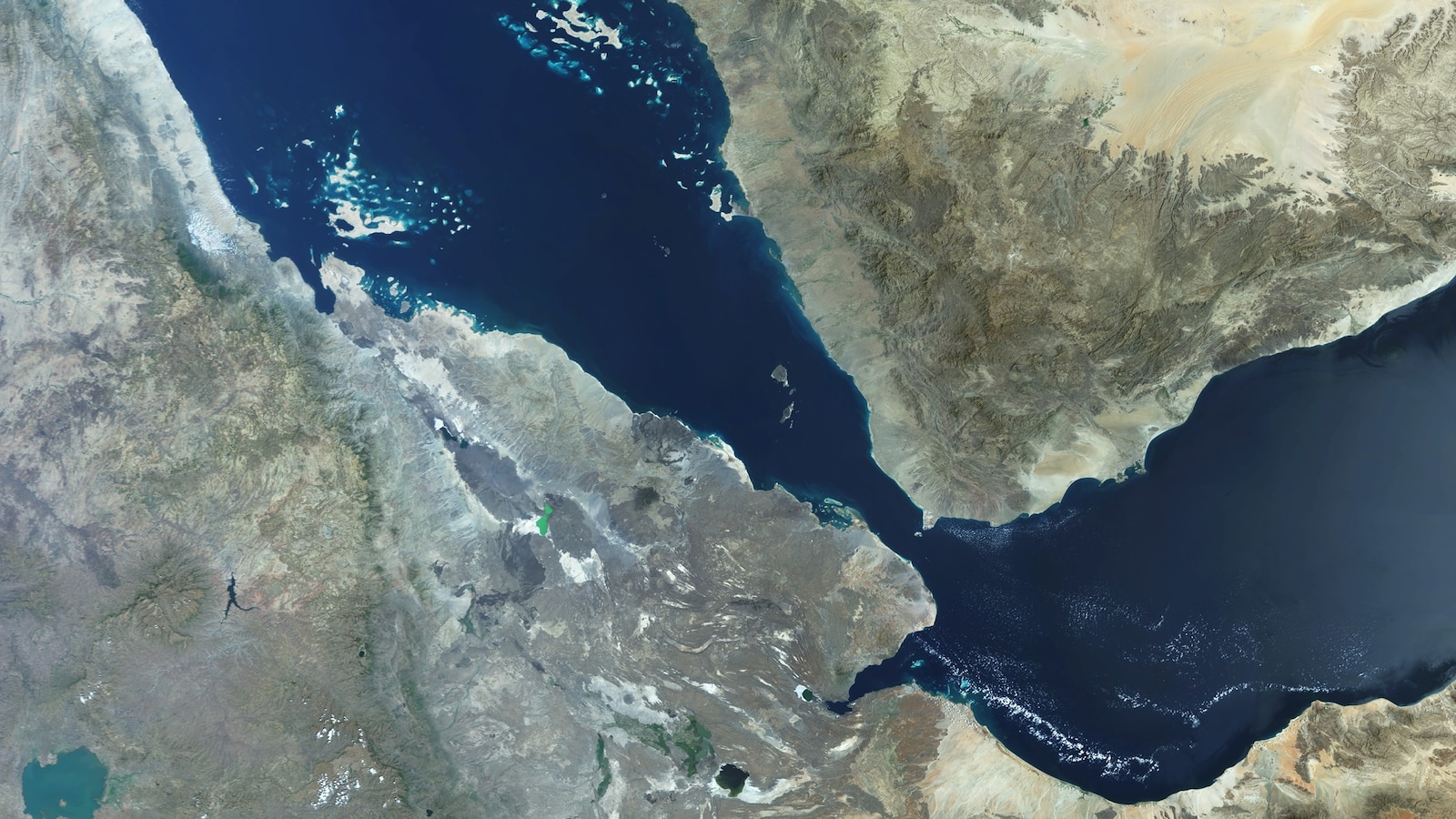
In the scramble to maintain oil flows, alternative routes have suddenly become lifelines for global energy security. The Bab-el-Mandeb Strait, positioned on the western side of the Arabian Peninsula between the Red Sea and the Gulf of Aden, has emerged as one of the most critical workarounds. Under normal circumstances, this waterway handles about 4 million barrels of oil daily—roughly 5% of global seaborne oil trade—along with a substantial portion of container shipping. However, its location along Yemen’s coast, where Iranian-backed Houthi forces operate, has transformed this alternative route into a potentially vulnerable target. The weekend saw renewed Houthi attacks in the Red Sea and Gulf of Aden, sparking fears among market analysts that these forces might intensify their assaults on shipping vessels passing through this narrow strait, just as they have in previous years. The situation has become so precarious that JP Morgan analysts warn that any significant disruption to oil passage through the Bab-el-Mandeb Strait could add an additional $20 per barrel to already elevated oil prices—a development that would send shockwaves through global markets and hit consumers’ wallets hard.
The Math of a Growing Deficit
The numbers paint a stark picture of the challenge facing global energy markets. Of the 20 million barrels per day that used to flow through the Strait of Hormuz, only about 7 million barrels have been successfully redirected through other means. These alternative flows include shipments through the Bab-el-Mandeb Strait, exports from Fujairah in the United Arab Emirates, and releases from strategic petroleum reserves that nations have been holding for exactly this type of emergency. According to data from Kpler, a leading energy analytics firm, and insights from their lead oil analyst Matt Smith, this still leaves a massive gap of approximately 13 million barrels per day that once transited through the Strait of Hormuz but now cannot reach their destinations. The majority of this missing oil was destined for Asian ports, where rapidly growing economies depend on steady energy imports to fuel their industrial bases and meet the needs of billions of people. This deficit cannot be easily replaced—there simply isn’t enough spare capacity elsewhere in the world to make up for such a massive shortfall, and the alternatives that do exist are already being pushed to their absolute limits.
Critical Infrastructure at Maximum Capacity
Two pipeline systems have become absolutely essential in the effort to bypass the closed Strait of Hormuz: Saudi Arabia’s East-West pipeline and the United Arab Emirates’ ADCOP pipeline. The Saudi East-West pipeline, with a theoretical capacity of roughly 7 million barrels per day, terminates at the Red Sea port of Yanbu, from which oil can be exported through the Bab-el-Mandeb Strait. The dramatic increase in activity at Yanbu tells the story of this crisis in real terms—oil flows have surged to 4.6 million barrels per day as of last week, nearly double the early March average of 2.5 million barrels per day. To put this in perspective, before the conflict erupted, Yanbu typically exported only about 750,000 barrels per day of crude oil. The facility is now operating at more than six times its normal capacity, a testament to both the severity of the crisis and the strain being placed on this infrastructure. Meanwhile, the Fujairah terminal, which lies beyond the Strait of Hormuz on the Gulf of Oman, has also experienced a dramatic uptick in activity. After handling approximately 2.25 million barrels per day in early March, flows climbed to roughly 3.2 million barrels per day last week before beginning to show signs of volatility connected to regional attacks. The sobering reality, as Smith notes, is that if both Yanbu and Fujairah were to be compromised through military action or other disruptions, moving oil out of the Arabian Peninsula would become “virtually impossible.”
No Plan B: The Harsh Reality
Oil experts are delivering a message that policymakers and the public need to hear clearly: beyond the routes currently being utilized, there are no meaningful alternatives remaining. This isn’t a situation where creativity or determination can conjure new solutions—the infrastructure simply doesn’t exist. The alternatives currently being maxed out represent the limited options available, period. There is no equitable backup plan to the Strait of Hormuz; the geography, pipeline infrastructure, and port facilities that would be needed to fully replace its capacity would take years or even decades to build, and they don’t exist today. This reality underscores just how dependent the world has become on this single chokepoint and how vulnerable global energy security is to disruptions in this volatile region. The strategic importance of the Strait of Hormuz has been discussed for decades, but the current crisis has transformed that abstract concept into a concrete problem with immediate consequences for billions of people. The engineering marvels of modern pipelines and the flexibility of sea routes can only stretch so far—they cannot replace what has been lost through the closure of the world’s most important oil transit route.
The Broader Conflict and Its Consequences
The oil crisis didn’t emerge in a vacuum—it’s the direct result of rapidly escalating military conflict in the region. On February 28, the United States and Israel launched extensive strikes against Iran, targeting military installations and government facilities in an operation that marked a significant escalation in regional tensions. The strikes reached into the heart of Tehran itself, where Ayatollah Ali Khamenei was among those killed in the initial attacks. Iran’s response was swift and far-reaching, employing missile and drone attacks that targeted not only Israel but also regional U.S. military bases and multiple Gulf nations, with American interests bearing the brunt of the retaliation. Critically, Iran’s response included the effective closure of the Strait of Hormuz—a strategic move that leveraged Iran’s geographic position to maximum effect. This closure wasn’t merely collateral damage from the conflict; it was a deliberate action designed to impose maximum economic pain on Iran’s adversaries and their allies. The message was clear: if Iran’s interests were to be attacked, the global economy would feel the consequences. As the conflict continues to unfold, with special coverage airing nightly on ABC’s Nightline and streaming on Disney+ and Hulu, the world watches anxiously to see whether diplomatic efforts can de-escalate the situation or whether the crisis will deepen further, potentially threatening even the limited alternative routes that currently keep some oil flowing to global markets.