


Dangerous Heat and Fire Conditions Threaten Millions Across America This Weekend
A Perfect Storm of Weather Hazards
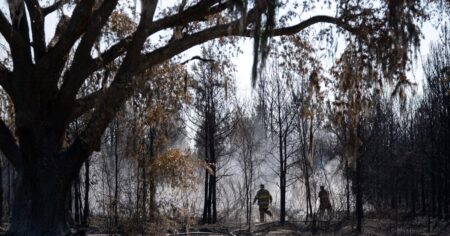
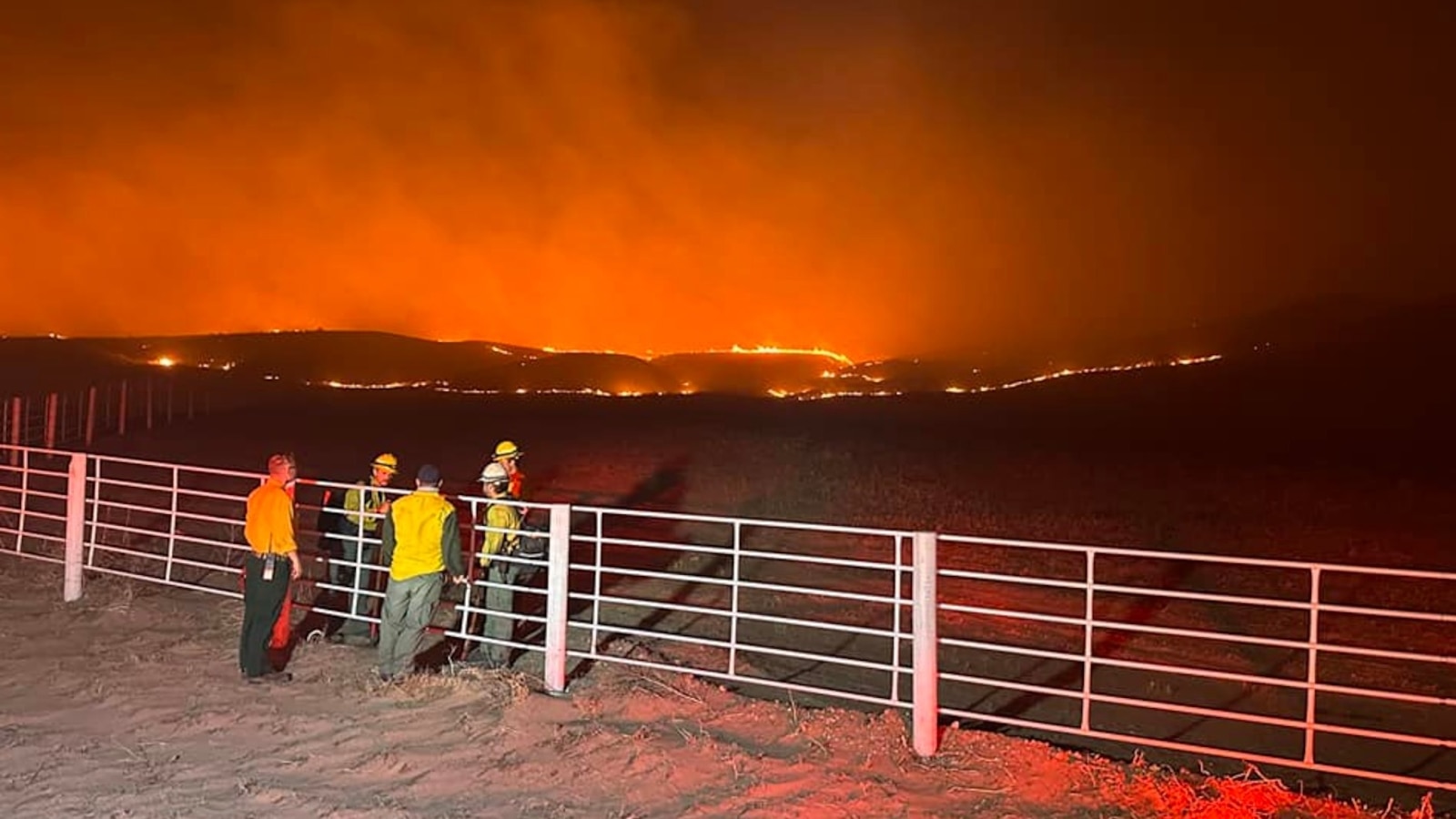
As we head into the weekend, a significant portion of the United States finds itself facing a dangerous combination of extreme weather conditions that have meteorologists and emergency officials on high alert. More than 46 million Americans from the Great Plains stretching all the way to the Southeast are currently under red flag warnings issued by the National Weather Service, signaling critical fire weather danger across a massive geographic area. This isn’t just another weather event to keep an eye on – it’s a serious situation that demands attention and preparation from everyone in the affected regions.
The conditions creating this hazardous situation aren’t complicated, but they form a perfect recipe for disaster. A massive cold front that stretched for thousands of miles across the country on Friday has now given way to a large dome of high pressure. Think of it as nature’s way of wringing out the atmosphere like a sponge – the air is becoming exceptionally dry, and winds are picking up significantly. When you combine powerful winds with ground fuels that are already parched from ongoing drought conditions, you have all the ingredients needed for wildfires to not only ignite easily but to spread with frightening speed. It’s the kind of scenario that keeps firefighters and emergency management teams up at night, knowing that a single spark – whether from a discarded cigarette, a dragging chain, or even a lightning strike – could explode into a major wildfire in minutes.
Wind and Drought Creating a Tinderbox
The wind situation alone is enough to cause concern across the Plains states, where gusts are forecast to reach between 30 and 60 miles per hour on Saturday. To put that in perspective, sustained winds of that strength are powerful enough to knock down tree limbs, scatter debris, and turn anything loose into a potential projectile. But when these winds sweep across landscapes that have been dried out by persistent drought conditions, they become something far more menacing – a catalyst for rapid fire spread that can outpace containment efforts.
The danger zone extends far beyond the Plains, however. From the Gulf Coast stretching inland across the Southeast, communities are bracing for the same combination of gusty winds and bone-dry conditions. Major cities including Lake Charles in Louisiana, Jackson in Mississippi, Birmingham in Alabama, Tallahassee in Florida, Charleston in South Carolina, and Asheville in North Carolina are all within the areas facing elevated fire weather risk. These aren’t just abstract warnings for rural areas – urban and suburban communities are also at risk, particularly in areas where development meets wildland vegetation.
The drought factor cannot be overstated in this equation. Much of the region currently under fire weather warnings is simultaneously experiencing some level of drought, from abnormally dry conditions to more severe drought classifications. This means the vegetation, leaf litter, grasses, and other natural materials that would normally contain some moisture are instead acting as ready-made fuel for fires. It’s like having kindling that’s been sitting in an oven – it doesn’t take much to get it burning, and once it catches, it goes up fast.
Temperature Swings Adding to the Weather Chaos
While fire weather dominates the forecast for much of the South and Plains, other parts of the country are experiencing their own dramatic weather story – a temperature roller coaster that would make even the most enthusiastic thrill-seeker dizzy. The Midwest and Northeast are in the midst of a significant cooldown following what had been pleasantly warm spring days earlier in the week. It’s the kind of weather whiplash that has people digging winter coats back out of closets just days after wearing shorts and t-shirts.
Cities like Chicago and New York will feel noticeably cooler on Saturday compared to recent days, with some regions seeing temperatures drop by 10 to 20 degrees compared to Friday. This comes on the heels of record high temperatures on Wednesday and Thursday, followed by seasonably warm conditions on Friday. The good news for those who’ve been enjoying the spring warmth is that this cooldown is temporary – temperatures are expected to rebound to more seasonable highs by the beginning of the new workweek. Still, the rapid temperature changes can be challenging, particularly for people with health conditions that are sensitive to weather fluctuations, and they certainly keep everyone guessing about what to wear each day.
Record-Breaking Heat Persists in the Southeast
While some regions get a temperature break, the Southeast is experiencing something entirely different – relentless, record-shattering heat that shows no signs of letting up this weekend. Friday saw numerous locations in the mid-Atlantic either break or tie their daily record highs for March 27. Savannah, Georgia, climbed to a sweltering 89 degrees Fahrenheit, while Columbia, South Carolina, reached 88 degrees. These aren’t just warm days – these are temperatures that would be considered hot even in the peak of summer for many northern locations, and they’re happening in March.
The situation is even more extreme in the Desert Southwest, where the heat has reached truly exceptional levels. On Friday, Phoenix hit a remarkable 102 degrees, Death Valley reached 101 degrees, and Tucson, Arizona, climbed to 98 degrees. These aren’t just numbers on a thermometer – these are temperatures that pose real health risks, particularly for vulnerable populations including the elderly, young children, and those with pre-existing health conditions. The forecast offers no relief either, with daily record highs possible again this weekend for cities like Las Vegas and Phoenix.
An Unprecedented Pattern of Record Temperatures
To truly understand how unusual this weather pattern has been, consider the scope of records being broken across the country. Between March 15 and March 26 alone – a span of just twelve days – more than 100 monthly records were either broken or tied, and an astounding 700 daily records were broken or tied across the nation, according to the National Weather Service. These aren’t isolated incidents in a handful of locations; this is widespread, systematic warmth affecting communities from coast to coast.
Zooming out even further, since March 1, there have been more than 1,100 daily records broken or tied across the United States. That’s an average of more than 40 record-breaking or record-tying temperatures every single day for nearly a month. For meteorologists and climate scientists, numbers like these are significant indicators of broader patterns and trends. For everyday Americans, they represent tangible changes in the weather they’re experiencing – earlier spring warmth, reduced heating needs, earlier blooming of plants, and yes, earlier and more intense fire seasons.
Looking Ahead: What to Expect
As March draws to a close and April begins, the weather pattern shows signs of continuing its unusual trajectory. Forecasters expect likely warmer than normal temperatures for the eastern half of the nation, while the western half should see near normal temperatures for early April. This pattern change means that while some regions may finally get a break from the extreme heat, others should prepare for continued above-average warmth.
For those in areas under red flag warnings this weekend, the message from emergency officials is clear: be extremely careful with anything that could cause a spark, follow all local fire restrictions, and have evacuation plans ready just in case. This means avoiding outdoor burning, being cautious with equipment that could create sparks, properly disposing of cigarettes, and staying informed about local conditions. For those experiencing the temperature swings, dressing in layers and staying flexible with plans is the order of the day. And for everyone in the heat-affected regions, staying hydrated, limiting outdoor exposure during the hottest parts of the day, and checking on vulnerable neighbors and family members are essential precautions. This weekend’s weather serves as a powerful reminder that we need to stay informed, stay prepared, and look out for one another when nature throws us these challenging conditions.