
Trump Announces Fragile Two-Week Ceasefire with Iran as Pentagon Officials Brief the Nation
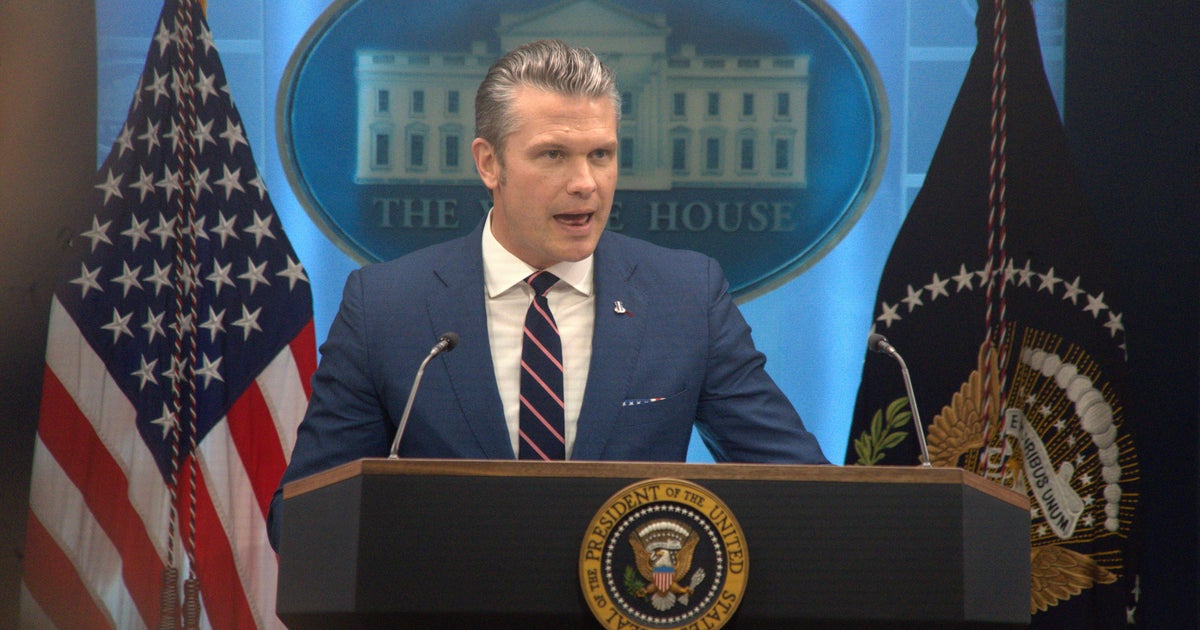
In a rapidly developing situation that has captured global attention, Defense Secretary Pete Hegseth and Joint Chiefs Chairman Dan Caine addressed reporters at the Pentagon on Wednesday following President Trump’s unexpected announcement of an immediate ceasefire with Iran. The President took to his Truth Social platform late Tuesday evening to declare that the United States would suspend military operations against Iran for a conditional two-week period. According to Trump’s statement, American forces have “already met and exceeded all Military objectives” in the region. This development comes amid weeks of escalating tensions that have threatened one of the world’s most critical shipping routes and sent global energy markets into turmoil. The announcement has sparked cautious optimism among international observers, though questions remain about the stability and longevity of this temporary peace agreement between two nations that have been locked in conflict for decades.
Mixed Signals and Continued Violence Cast Doubt on Ceasefire Stability
Despite the official ceasefire announcement, the situation on the ground remains highly volatile and uncertain. Vice President JD Vance, speaking during an official visit to Hungary, characterized the agreement as a “fragile truce,” a description that proved prophetic within hours of the announcement. Iranian state media reported that at least three explosions were heard near the Lavan Island Oil Refinery on Wednesday morning, just hours after President Trump’s ceasefire declaration. The refinery, located on an island less than 10 miles off Iran’s coast in the Persian Gulf and west of the entrance to the strategically vital Strait of Hormuz, represents a key component of Iran’s energy infrastructure. As of the latest reports, it remains unclear whether American or Israeli forces were responsible for these attacks, raising serious questions about the coordination and scope of the ceasefire agreement. This incident highlights the complex web of military operations in the region and the challenges inherent in implementing a comprehensive pause in hostilities when multiple nations and proxy forces are involved in the broader conflict.
Israel’s Limited Participation Creates Regional Complications
The ceasefire agreement has revealed significant complications regarding Israel’s involvement and the extent of the peace accord. While a White House official confirmed to CBS News that Israel has agreed to the ceasefire proposal in principle, Israeli Prime Minister Benjamin Netanyahu’s office issued a clarifying statement late Tuesday night that drew important distinctions. According to the Israeli government, while it supports the United States’ two-week ceasefire with Iran, this agreement explicitly does not cover ongoing military operations between the Israeli Defense Forces and Hezbollah, the powerful Lebanon-based militant organization that serves as an Iranian proxy in the region. This limitation to the ceasefire represents a potential flashpoint for renewed broader conflict, as Hezbollah has been a key player in the regional tensions and has launched numerous attacks on Israeli territory in recent months. The exclusion of Hezbollah from the ceasefire terms means that fighting will continue along Israel’s northern border with Lebanon, potentially providing opportunities for miscalculation or escalation that could draw both the United States and Iran back into direct confrontation before the two-week period expires.
Iran Confirms Agreement with Conditions for Safe Passage
Iranian Foreign Minister Seyed Abbas Araghchi provided official confirmation from Tehran that Iran had indeed agreed to the temporary cessation of hostilities, though his language revealed the careful diplomatic framing both sides are employing. Araghchi stated that Iran would halt what he termed “defensive operations,” a phrase that likely refers to the extensive campaign of drone and missile strikes that Iranian forces and their proxies have conducted against U.S. allies throughout the region in recent weeks. The minister made clear that this cessation would only continue as long as the United States refrains from attacking Iranian territory and assets. Additionally, Araghchi announced that Iran’s armed forces would coordinate efforts to ensure “safe passage through the Strait of Hormuz,” a crucial development for global commerce and energy markets. The Strait of Hormuz represents one of the world’s most important maritime chokepoints, with roughly one-fifth of global oil consumption passing through this narrow waterway between Iran and the Arabian Peninsula. The Iranian commitment to keeping this vital shipping lane open represents a significant de-escalation measure that has immediate practical implications for the global economy and international trade.
Maritime Traffic Resumes as Markets React Positively
The immediate practical effects of the ceasefire announcement became visible on Wednesday as maritime monitoring services reported the resumption of vessel movement through the previously dangerous Strait of Hormuz. MarineTraffic, a leading maritime monitoring service, announced on social media that “early signs of vessel activity are emerging in the Strait of Hormuz following a ceasefire.” The service specifically identified at least two vessels making passage through the waterway: a Greek-owned bulk carrier and a Liberia-flagged vessel. This development represents welcome news for the global shipping industry, which had been forced to reroute vessels around the Arabian Peninsula at tremendous additional cost and delay, or risk passage through waters where Iranian forces had been actively targeting commercial shipping. The resumption of normal maritime traffic, even in these early stages, suggests that commercial operators are cautiously optimistic about the stability of the ceasefire, at least in the short term. The financial markets responded dramatically to these developments, with oil prices plunging on Wednesday morning as traders anticipated the restoration of normal supply flows from the region. While prices remained elevated compared to pre-war levels, they dropped below the psychologically important $100 per barrel mark, providing relief to consumers worldwide who have been facing increased costs for fuel and petroleum-based products. Stock markets also soared in early trading, with investors expressing relief that the immediate crisis appeared to be subsiding and that the risk of a broader regional war that could devastate the global economy had been temporarily reduced.
Looking Ahead: Uncertain Future and Diplomatic Challenges
As the two-week ceasefire period begins, numerous questions remain about what comes next and whether this temporary pause can be transformed into a more lasting peace. The Pentagon briefing by Defense Secretary Hegseth and Joint Chiefs Chairman Caine was expected to provide more details about the military situation, the terms of the ceasefire, and what verification mechanisms are in place to ensure both sides honor their commitments. The fragility of the arrangement, as characterized by Vice President Vance, cannot be overstated. With ongoing fighting between Israel and Hezbollah, unclear circumstances surrounding the explosions at Lavan Island, and decades of mutual distrust between Washington and Tehran, the opportunities for miscommunication, miscalculation, or deliberate violations remain abundant. Diplomatic observers are watching carefully to see whether this two-week period will be used productively to establish a framework for more comprehensive negotiations or whether it simply represents a temporary pause before hostilities resume. The international community, including European allies, China, and Russia, will likely play important roles in any extended diplomatic process. The United Nations and other international organizations may serve as mediators or monitors to help verify compliance with ceasefire terms. For ordinary citizens in Iran, the United States, and throughout the Middle East, the ceasefire offers a brief respite from the fear and uncertainty that have characterized recent weeks. Families of service members on all sides can hope for the safe return of their loved ones, while civilians who have endured attacks and lived under the threat of expanding war can momentarily breathe easier. However, everyone understands that two weeks passes quickly, and without substantial diplomatic progress during this window, the region could return to the brink of catastrophic conflict. The coming days will be critical in determining whether this ceasefire represents a genuine turning point toward peace or merely a temporary pause in an ongoing tragedy.