
Pentagon Ends Mandatory Flu Shots for U.S. Military Personnel
A Major Policy Shift in Military Healthcare
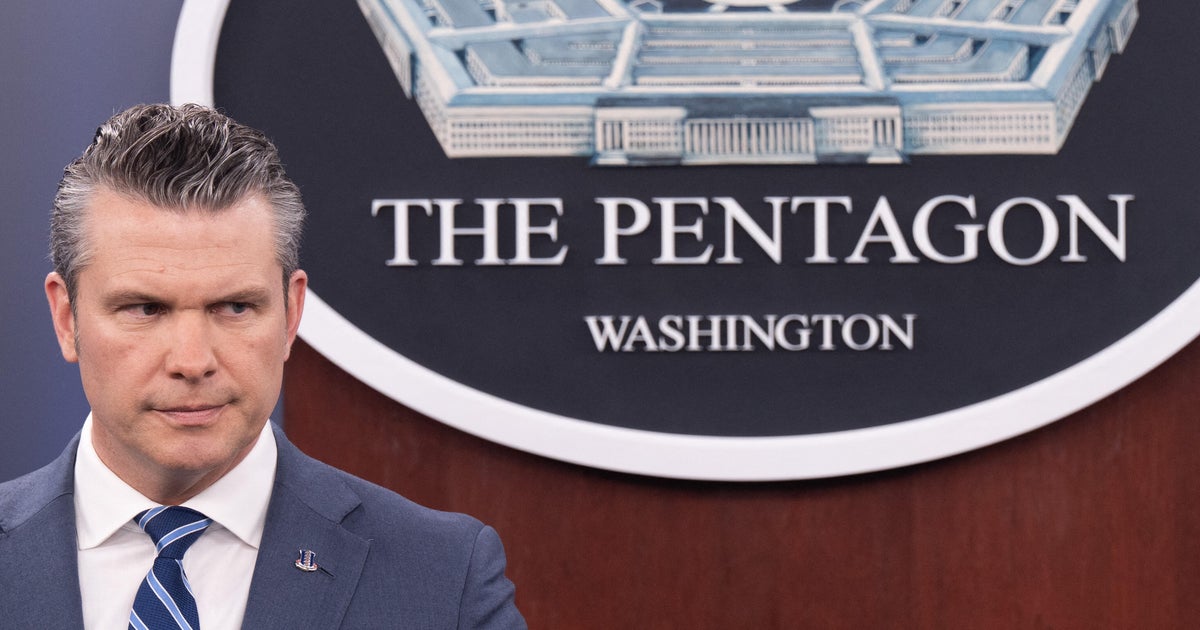
In a significant departure from decades of military health policy, Defense Secretary Pete Hegseth announced this week that U.S. service members will no longer be required to receive annual flu vaccinations. The announcement, shared through a video on social media platform X, marks a fundamental change in how the Pentagon approaches preventive healthcare for America’s armed forces. Starting immediately, troops across all branches—whether active duty or reserves—can now choose for themselves whether to get vaccinated against influenza each year. This decision represents one of the most substantial changes to military vaccination requirements in recent memory and signals a broader shift in the current administration’s approach to military readiness and individual choice. The policy change also extends to civilian employees working within the Department of Defense, making this a sweeping adjustment that affects hundreds of thousands of individuals who serve in various capacities within America’s defense infrastructure.
The Reasoning Behind the Decision
Secretary Hegseth framed the elimination of the mandatory flu shot as part of a larger effort by the Trump administration to “restore freedom and strength” to America’s military forces. In his announcement, he characterized the previous universal requirement as “overly broad and not rational,” arguing that mandating flu vaccines “for every service member everywhere in every circumstance at all times” simply didn’t make sense. The Defense Secretary positioned this policy change as part of a mission to eliminate what he described as “absurd, overreaching mandates” that he believes actually undermine rather than enhance military readiness. According to Hegseth and the current administration’s perspective, giving service members more autonomy over their healthcare decisions will ultimately strengthen rather than weaken the armed forces. The formal memorandum that codified this change was signed on Monday, making the flu vaccine immediately voluntary for all military personnel. This reasoning reflects a philosophy that prioritizes individual liberty alongside military preparedness, a balance that defense officials throughout history have weighed differently depending on the prevailing threats and medical understanding of each era.
A Gradual Rollback That Started Earlier
While Hegseth’s announcement might seem sudden, the Pentagon had actually begun stepping back from universal flu vaccination requirements several months earlier. Back in late May, Deputy Defense Secretary Steve Feinberg issued a memo indicating that the department would take a more targeted approach to flu vaccination, focusing resources on situations where immunization “most directly contributes to readiness.” Under that earlier directive, the requirement was narrowed significantly—only reserve component troops who were activated for assignments lasting at least 30 days would still be required to get flu shots. Additionally, the Pentagon stopped compensating reservists and National Guard members for the time they spent getting vaccinated on their own time. This gradual approach suggests that discussions about the appropriateness of universal flu vaccination requirements had been ongoing within defense leadership for some time, with concerns being raised about both the cost and the necessity of such broad mandates. The complete elimination of the requirement announced this week represents the culmination of this policy evolution, taking the final step that earlier measures had pointed toward.
Medical Community Concerns About Force Readiness
Not everyone in the military health community agrees that eliminating the flu shot requirement is wise from a readiness standpoint. The Navy and Marine Corps Force Health Protection Command, which is responsible for developing public health strategies for naval services, has been clear about their position: seasonal flu vaccination represents “the most effective control measure to reduce the risk of severe influenza and mission degradation.” These medical experts warn that influenza spreads rapidly in the close quarters that military personnel often share, whether on ships, in barracks, or during training exercises. When outbreaks occur, they can spread quickly throughout units, potentially sidelining significant numbers of personnel at critical moments. The Force Health Protection Command specifically cautioned that flu outbreaks “may be widespread and can adversely impact Navy and Marine Corps force readiness and mission execution.” This medical perspective highlights the tension at the heart of this policy debate: balancing individual freedom against collective protection and operational capability. Military medicine has traditionally erred on the side of protecting the force as a whole, sometimes at the expense of individual preferences, because the consequences of widespread illness can directly impact national security and mission success.
Echoes of the COVID Vaccine Controversy
The decision to make flu shots voluntary cannot be separated from the recent controversy surrounding COVID-19 vaccination requirements in the military. During the Biden administration, the Pentagon mandated that all service members receive COVID-19 vaccines, a requirement that proved deeply divisive. Approximately 8,700 troops—both active duty and reservists—either voluntarily separated or were involuntarily discharged from military service after refusing to comply with the coronavirus vaccination mandate. That requirement was eventually rescinded in 2023 after significant political pressure and legal challenges. When President Trump began his second term, he quickly signed an executive order creating a pathway for troops who had been discharged over vaccine refusal to be reinstated to military service. However, the uptake on this opportunity has been modest—as of last August, fewer than two dozen former service members had actually been reinstated despite hundreds having submitted applications. This recent history provides important context for understanding the current flu vaccine decision. The COVID mandate controversy clearly influenced current military leadership’s thinking about vaccine requirements more broadly, with lessons learned from that experience informing this new approach to flu vaccination policy.
Historical Context and Other Required Vaccines
The military’s relationship with vaccination requirements stretches back to the very founding of the United States armed forces. In 1777, General George Washington ordered the inoculation of the Continental Army against smallpox, recognizing that disease could defeat his forces more thoroughly than British bullets. That decision to mandate smallpox protection represents the military’s first vaccination program and established a precedent that would continue for nearly two and a half centuries. The flu vaccine specifically was first mandated for troops in 1945, leading to the vaccination of approximately 7 million service members. That requirement was withdrawn in 1949, only to be reinstated in the early 1950s, where it remained in place until this week’s announcement by Secretary Hegseth. It’s important to note that while the flu shot is no longer required, the Department of Defense still mandates numerous other vaccinations for military personnel. These include vaccines for hepatitis B, polio, measles, mumps, rubella, and several other diseases. The rationale for maintaining these requirements while eliminating the flu shot mandate appears to rest on distinctions between diseases that pose severe, lasting consequences versus those that, while potentially serious, typically result in shorter-term illness. This selective approach represents a new chapter in military medicine, one that attempts to distinguish between truly essential vaccinations that protect against devastating diseases and those that may be viewed as more optional. How this policy performs in practice—whether it enhances military readiness through improved morale and autonomy or whether it leads to preventable illness that degrades operational capability—will likely be debated and studied for years to come.