


The Clintons Agree to Testify: A Last-Minute Reversal in the Epstein Investigation
A Sudden Change of Heart
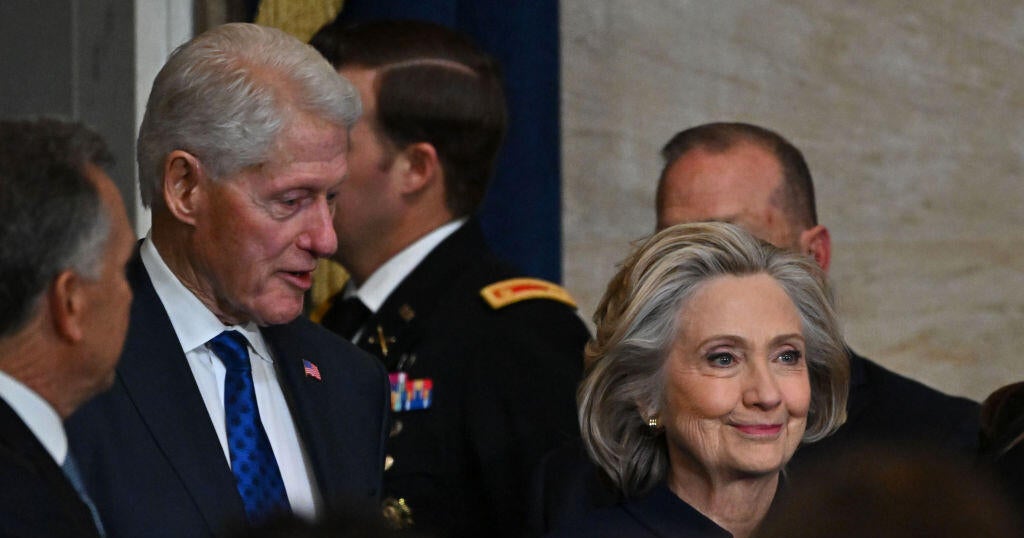
In a dramatic turn of events that surprised many in Washington, former President Bill Clinton and former Secretary of State Hillary Clinton have agreed to testify before the House Oversight Committee regarding their connections to convicted sex offender Jeffrey Epstein. The decision came at the eleventh hour, just as Congress was preparing to vote on holding the power couple in criminal contempt. What makes this reversal particularly striking is the complete about-face from their previous defiant stance. Chairman James Comer of Kentucky didn’t mince words when describing the situation, stating that “once it became clear that we would hold them in contempt, the Clintons completely caved and will appear for transcribed, filmed depositions this month.” The scheduled appearances are set for late February, with Hillary Clinton appearing on the 26th and Bill Clinton following the next day on the 27th. This sudden capitulation represents a significant moment in the ongoing congressional investigation into Epstein’s network of relationships and influence among the political and social elite.
From Defiance to Compliance
The path to this agreement was far from smooth. Just weeks earlier, the Clintons had taken a firm stand against what they called “invalid and legally unenforceable” subpoenas from the House Oversight Committee. In a January letter that struck a notably dramatic tone, they wrote: “Every person has to decide when they have seen or had enough and are ready to fight for this country, its principles and its people, no matter the consequences. For us, now is that time.” This bold declaration suggested the couple was prepared for a prolonged legal battle rather than submit to what they viewed as political theater. However, as the reality of a contempt vote drew nearer, their resolve apparently weakened. The transition from fighting for principles “no matter the consequences” to accepting the committee’s terms in their entirety happened remarkably quickly, suggesting that the potential consequences of contempt of Congress charges were indeed significant enough to reconsider their position.
The Negotiation Dance
The weekend before the final agreement saw intense negotiations between the Clintons’ legal team and the committee. Their lawyers proposed what they considered a reasonable compromise: Bill Clinton would sit for a four-hour transcribed interview in New York City, with questions strictly limited to matters related to the Epstein investigation. For Hillary Clinton, the proposal was even more restrictive—she would provide another sworn written declaration, and only if the committee absolutely insisted on her physical presence would she appear under the same limited terms as her husband. Chairman Comer swiftly rejected this proposal, labeling it “unreasonable.” This rejection apparently served as a wake-up call for the Clintons and their legal team. By Monday night, they had sent an email completely reversing course and accepting the committee’s original terms without the conditions and limitations they had tried to negotiate. The speed of this turnaround caught even Chairman Comer off guard, prompting him to seek clarification to ensure he understood exactly what the Clintons were agreeing to.
A Request for Public Transparency
Interestingly, while accepting the committee’s terms for depositions, the Clintons made one additional request in their letter—they asked for a public hearing instead of a closed-door deposition. “We now believe that will best suit our concerns about fairness,” they wrote. This request reveals an important aspect of their strategy. By requesting public testimony, the Clintons appear to be attempting to control the narrative and ensure that their side of the story reaches the American people directly, rather than having selective portions of a private deposition potentially leaked or characterized by political opponents. Public hearings can serve as a platform for witnesses to make statements, clarify positions, and push back against questions they find inappropriate or politically motivated. It remains to be seen whether the committee will grant this request or insist on the originally planned depositions. The committee has the upper hand in these negotiations now that the Clintons have agreed to appear, but allowing public testimony could serve the committee’s interests as well if they believe their questioning will reveal damaging information.
The Political and Legal Stakes
The threat of criminal contempt of Congress charges is not something to be taken lightly, and it’s clear this threat was the decisive factor in the Clintons’ change of heart. Contempt of Congress is a federal crime that can result in fines and even imprisonment, though prosecutions are relatively rare and typically depend on the Department of Justice’s willingness to pursue charges referred by Congress. Nevertheless, the political and reputational damage of being held in contempt would have been significant for two figures who, despite their controversial history, have maintained prominent positions in American political life. For Hillary Clinton, who has worked to maintain her influence in Democratic Party politics, and for Bill Clinton, whose post-presidential reputation has already been tarnished by various scandals, adding contempt of Congress to their records would have been a serious blow. The House Rules Committee’s decision to postpone consideration of the contempt resolutions following the Clintons’ agreement demonstrates how close they came to facing these consequences. The investigation into Jeffrey Epstein and his connections to powerful figures continues to cast a long shadow over American politics, and the Clintons’ testimony could provide important insights into the nature and extent of those relationships.
What Comes Next
As the late February deposition dates approach, all eyes will be on what the Clintons will actually say about their relationship with Jeffrey Epstein. The committee’s investigation seeks to understand how Epstein, a convicted sex offender, maintained such extensive connections with political, business, and entertainment leaders, and what those relationships might reveal about lapses in judgment, security, or worse. For the Clintons, these depositions represent both a risk and an opportunity. They risk further damaging revelations, particularly given Bill Clinton’s documented flights on Epstein’s private jet. However, they also have an opportunity to provide their version of events, explain the context of their interactions with Epstein, and potentially put some of the speculation to rest. The fact that these depositions will be filmed adds another layer of significance—the footage could become part of the historical record and potentially be released to the public, depending on the committee’s decisions. Whether this episode represents a minor footnote in the ongoing Epstein saga or a major revelation remains to be seen, but the Clintons’ last-minute decision to testify ensures that their voices will be part of the congressional record. Their journey from defiance to compliance serves as a reminder that even the most powerful former officials are not above congressional oversight, and that the threat of legal consequences can still influence behavior at the highest levels of American politics.