

FBI Takes Over Investigation Into Fatal Minneapolis Shooting of ICU Nurse
A Shifting Federal Response
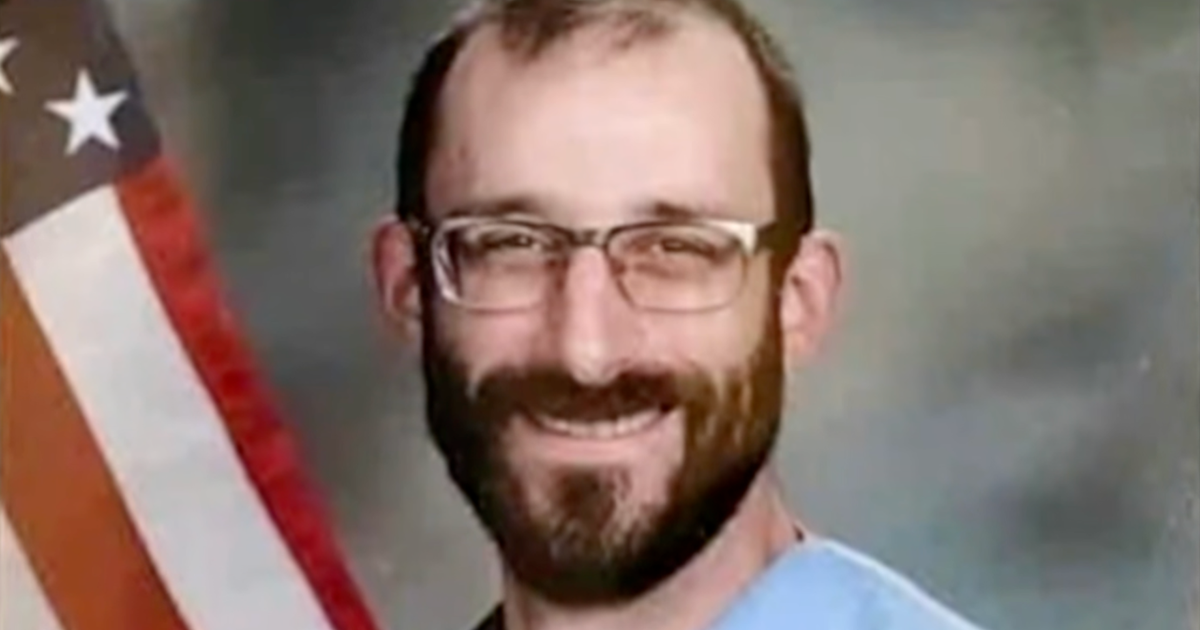
The federal investigation into the fatal shooting of Alex Pretti, a 37-year-old intensive care unit nurse working for the Department of Veterans Affairs, has undergone a significant transformation this week. What began as an inquiry led by Homeland Security Investigations (HSI) – the investigative branch of the Department of Homeland Security – has now been transferred to the Federal Bureau of Investigation, marking a dramatic shift in how the federal government is handling this controversial case. The shooting occurred last Saturday in Minneapolis, and the decision to elevate the FBI to the lead investigative role represents a major reversal from the beginning of the week, when the bureau was reportedly playing only a minor supporting role, primarily helping to analyze certain pieces of evidence. This change signals that federal authorities are taking the incident more seriously and suggests growing concern about the circumstances surrounding Pretti’s death. DHS spokesperson Tricia McLaughlin confirmed the transition, with HSI now moving into a supporting role rather than leading the probe. The shift addresses concerns raised by current and former federal law enforcement officials who questioned why HSI was initially given the lead, considering the agency typically handles cases with international or immigration connections rather than officer-involved shootings.
Questions About Investigation Scope and Civil Rights Implications
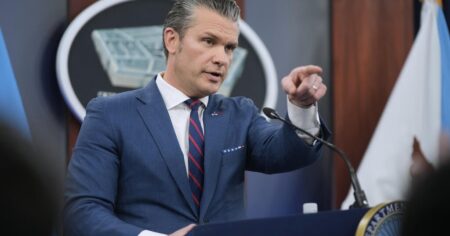
During a press conference on Friday, Deputy Attorney General Todd Blanche confirmed the FBI’s new leadership role and revealed that the Civil Rights Division of the Justice Department would also be participating in the investigation. Blanche praised the division’s expertise, noting that “the Department of Justice’s Civil Rights Division has the best experts in the world on this” and that “they’ve been doing it for decades.” However, he was careful not to formally characterize the probe as a civil rights investigation, creating some ambiguity about the scope and direction of the inquiry. When pressed by reporters, Blanche stated, “I don’t want to overstate what’s happening because I don’t want this takeaway to be that there’s some massive civil rights investigation that’s happening.” Instead, he described it as “a standard investigation by the FBI when there are circumstances like what we saw last Saturday.” This carefully calibrated language suggests federal officials are trying to balance thoroughness with avoiding premature conclusions about potential civil rights violations. The FBI typically leads “color of law” civil rights investigations into law enforcement officials who may have violated constitutional rights, such as through excessive use of force, making their involvement particularly significant in this case.
Unusual Initial Agency Assignment Raises Eyebrows
The initial decision to place Homeland Security Investigations in charge of the probe struck many federal law enforcement professionals as highly irregular and raised serious questions about the credibility and comprehensiveness of the investigation. HSI is not typically tasked with investigating officer-involved shootings and lacks the infrastructure and specialized expertise needed to handle critical components of such cases. These essential elements include ballistics analysis, forensic processing of crime scenes, detailed firearm examinations, comprehensive video review, and large-scale witness canvassing – all standard procedures in shooting investigations. Instead, HSI’s historical focus has been on crimes with international dimensions or immigration connections, such as human trafficking operations, drug smuggling across borders, child exploitation rings, and the theft and smuggling of stolen artifacts. The mismatch between HSI’s typical portfolio and the requirements of investigating an officer-involved shooting contributed to internal dissatisfaction within the federal prosecutor community. In fact, federal prosecutors in the U.S. attorney’s office in Minnesota held what was described as a somber meeting earlier this week with Minnesota U.S. Attorney Dan Rosen, during which they questioned why they had not been permitted to open a formal civil rights investigation into Pretti’s death from the outset.
Evidence Handling and Unresolved Questions
Significant questions remain about how evidence in the case has been handled and where crucial pieces of evidence are currently located. According to previous reporting, the FBI had been responsible only for processing Pretti’s firearm at one of its forensic laboratories, while the weapons discharged by the two U.S. Customs and Border Protection agents during the fatal encounter remained in HSI custody. This divided approach to evidence handling raised additional concerns about the thoroughness and coordination of the investigation. At this point, it remains unclear which federal agency now possesses most of the physical evidence from the shooting. When CBS News pressed Deputy Attorney General Blanche on whether the FBI has since received all the evidence for processing – including the firearms of the officers involved in Pretti’s fatal shooting – he was unable to provide clarity, telling reporters, “I don’t know. I don’t have an answer to those questions.” This lack of transparency about such basic investigative procedures has done little to reassure critics who worry about the integrity of the probe. A government report sent to Congress, which CBS News obtained, confirms that two Customs and Border Protection agents fired their weapons during the shooting, but notably, the report does not mention Pretti reaching for his firearm, a detail that could be significant in determining whether the use of force was justified.
Administrative Actions and Earlier Encounter
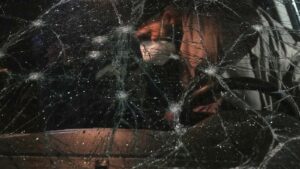
Beyond the criminal investigation now being led by the FBI, Customs and Border Protection’s Office of Professional Responsibility has launched an internal administrative review of the incident. The federal agents involved in the deadly shooting have been placed on administrative leave, according to confirmation from a federal law enforcement official. However, the exact timing of when these personnel were placed on leave remains unclear. Standard protocol in federal law enforcement typically requires that agents involved in a shooting be placed on administrative leave during the course of an investigation, both to ensure the integrity of the probe and to provide the officers with time away from active duty during what is inevitably a stressful period. Administrative leave in such circumstances is neither a punishment nor an indication of wrongdoing, but rather a standard procedural step. The case has become more complex following the emergence of video footage from an encounter between Pretti and federal immigration officers that occurred 11 days before the fatal shooting. In the video, recorded on January 13 and posted by The News Movement, a digital media outlet, Pretti is seen confronting agents on a Minneapolis street, kicking and damaging the taillight of a government SUV. The vehicle stops, and federal agents emerge and tackle him to the ground. A representative for the Pretti family confirmed the video’s authenticity to CBS News.
Political Reaction and Moving Forward
The earlier encounter captured on video drew a response from President Trump, who took to social media overnight to characterize Pretti as an “agitator and, perhaps, insurrectionist.” In a post on his Truth Social platform at 1:26 a.m. EST Friday, the President wrote: “It was quite a display of abuse and anger, for all to see, crazed and out of control. The ICE Officer was calm and cool, not an easy thing to be under those circumstances!” This political commentary from the nation’s highest office has added another layer of complexity to an already sensitive case, potentially influencing public perception before the investigation has reached any conclusions. As the investigation moves forward under FBI leadership with support from the Justice Department’s Civil Rights Division, many questions remain unanswered about what exactly happened during the fatal encounter last Saturday, whether proper protocols were followed, and whether the use of deadly force was justified. The family of Alex Pretti, along with his colleagues at the Department of Veterans Affairs where he worked as an ICU nurse, are seeking answers about how a man dedicated to caring for military veterans lost his life during an encounter with federal agents. The outcome of this investigation will have implications not just for the agents involved and Pretti’s loved ones, but potentially for federal law enforcement protocols and accountability measures in officer-involved shootings more broadly.